Temple 35, Kiyotaki-ji
Kiyotaki-ji is temple No. 35 on the Shikoku pilgrimage, or Henro. It stands midway up Mt. Kiyotaki at an elevation of 137 m surrounded by citrus groves at the end of a steep, narrow, and winding road with ditches on either side.
What to See
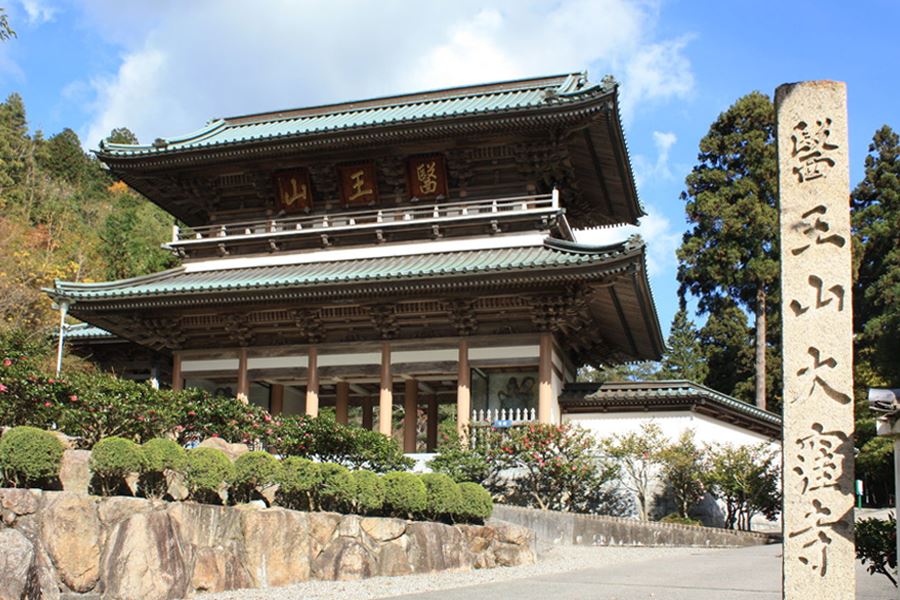
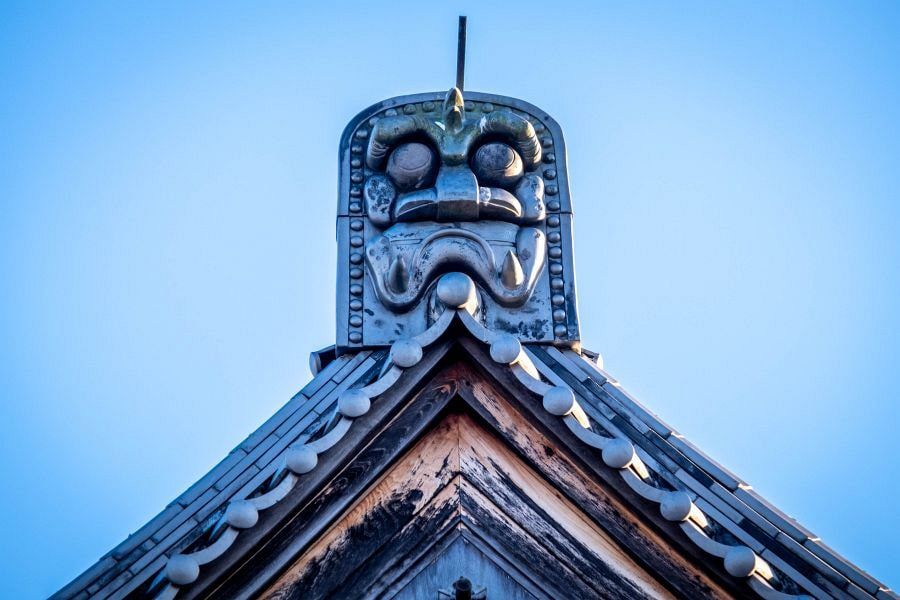
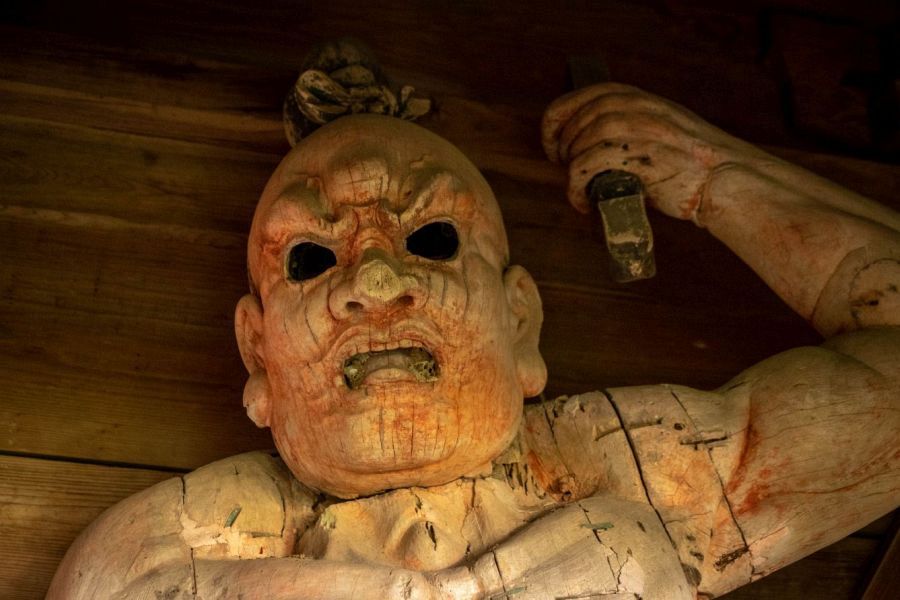
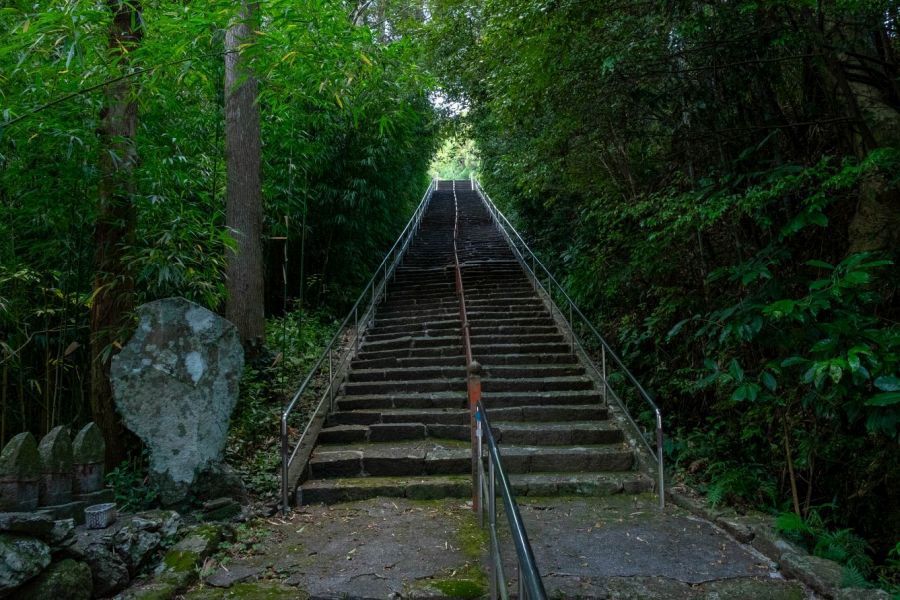
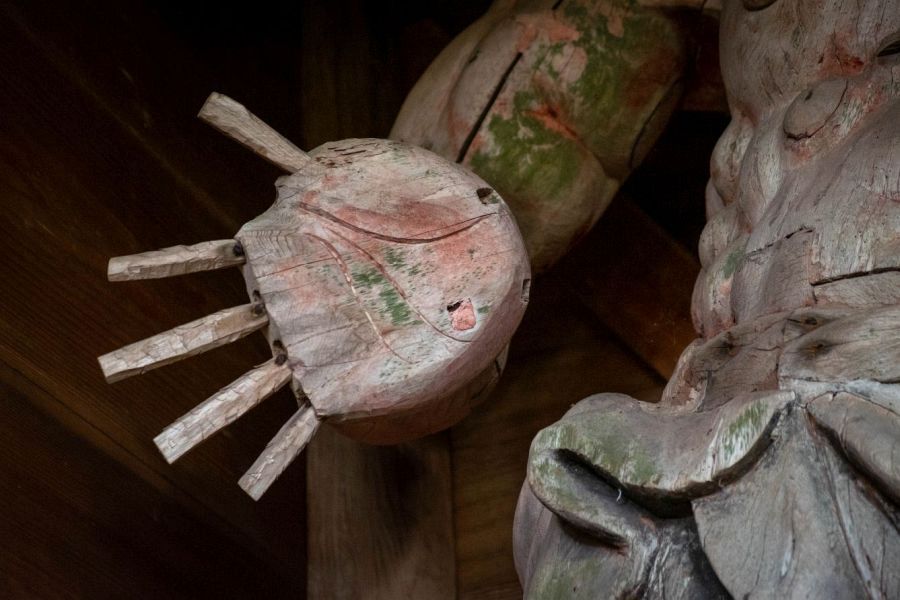
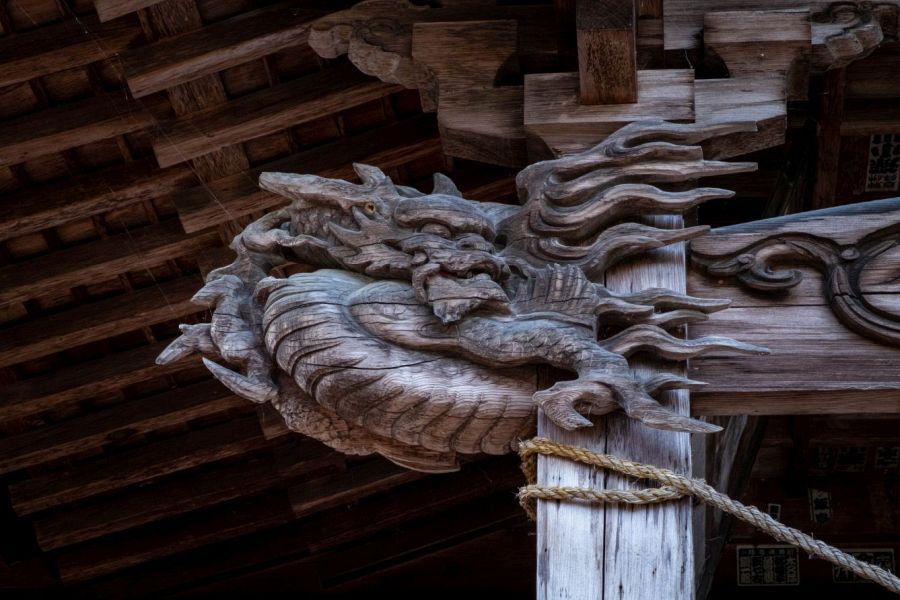
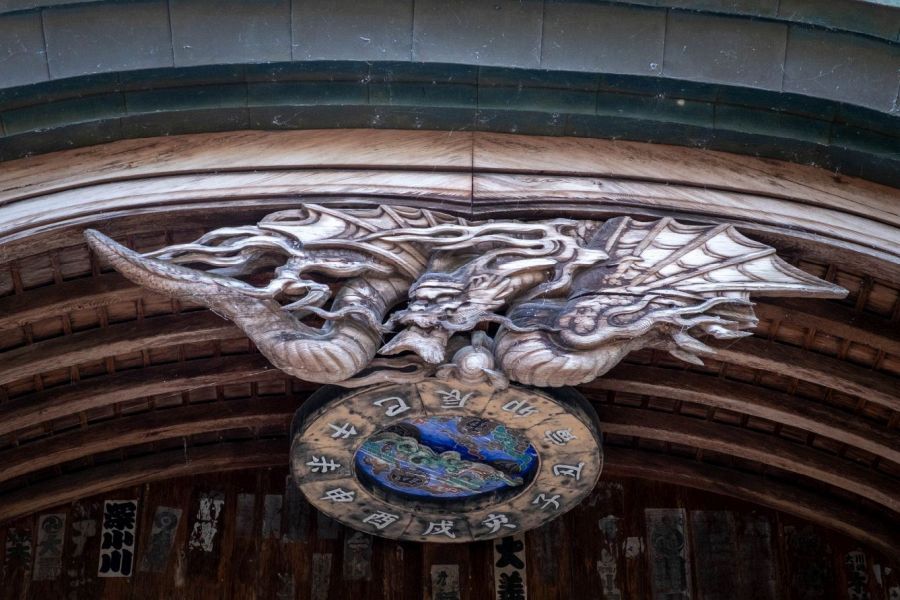
Walking pilgrims must climb some long steps that pass through a main gate decorated with fine dragon carvings and paintings. The painting was done by Kubo Nansō in 1900. The temple guardians inside the gate have hollow eye sockets and their fingers are now just pegs, creating a rather creepy impression.
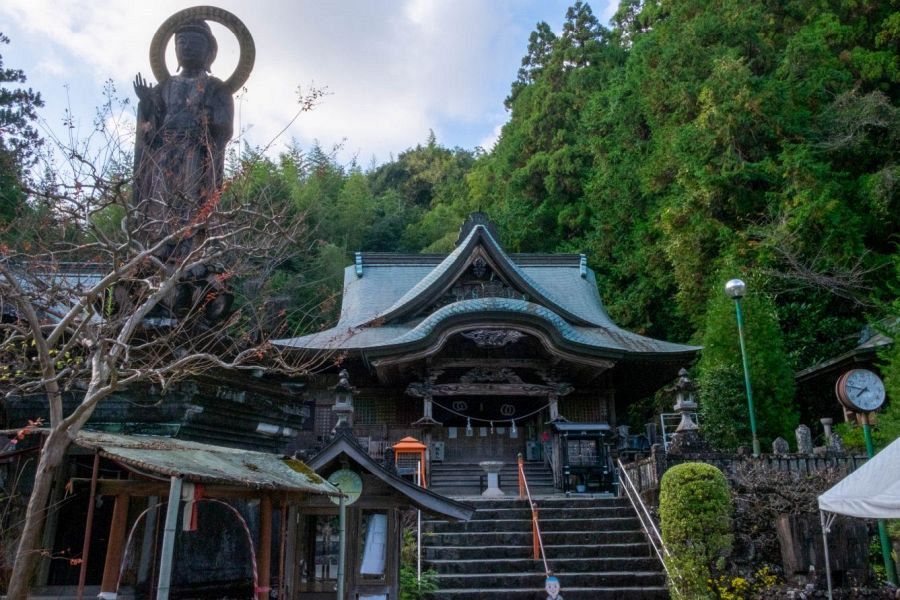
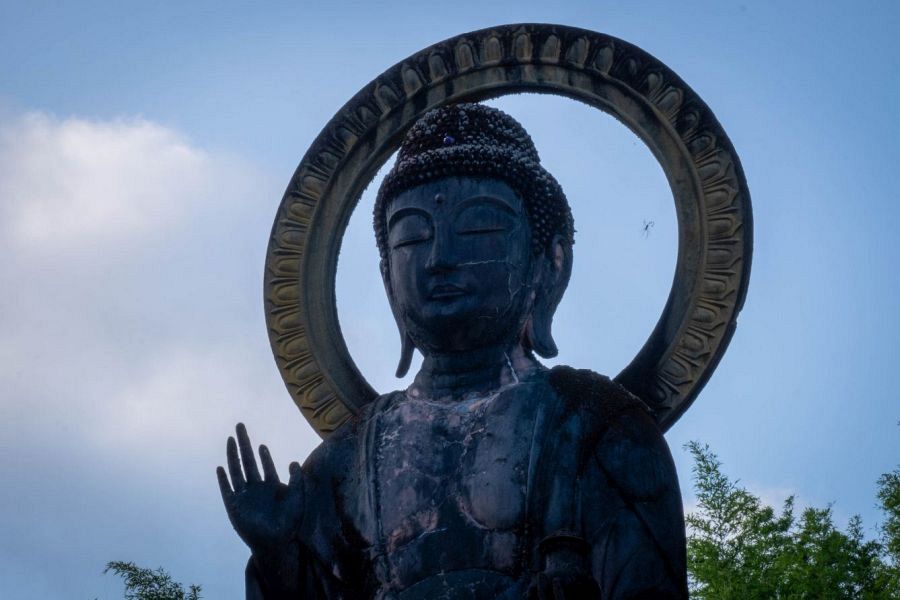
Beyond the gate, a long flight of stone steps continues up to the precincts. To the right of the approach stands the belfry. Further back are the guest hall and temple office. Ahead, to the right, is the purification basin; to the left stands a large statue of Yakushi Nyorai, the Medicine Buddha, built in 1933. In the plinth of the statue is a doorway. Enter it and head round to the left and it gets dark very quickly. There are eighty-eight steps that go up and down and round at a sharp angle, until you come to a mercifully illuminated altar where you can pray not to be such a coward in future. This is alleged to warding off misfortune, but the experience is itself a considerable misfortune.
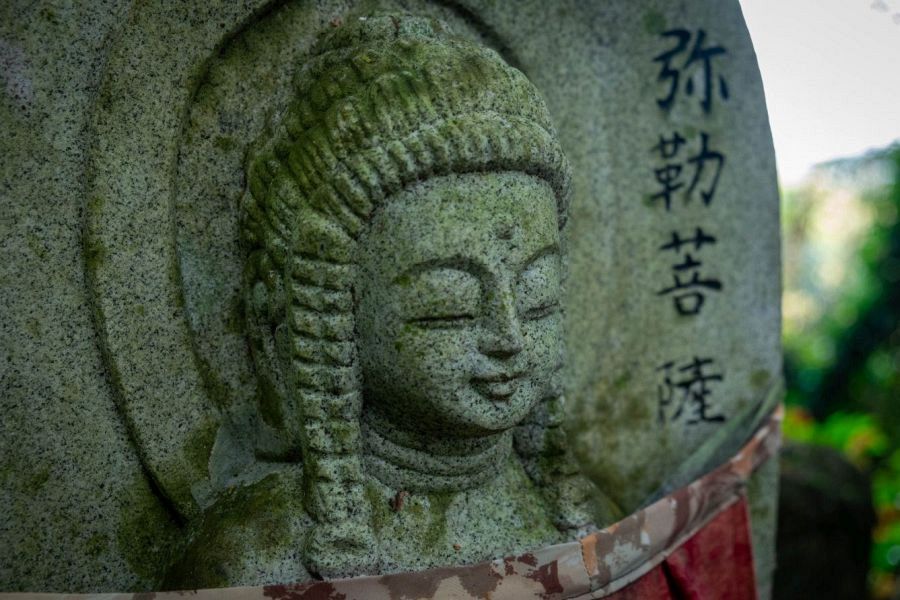
Ascending further stone steps leads to the main hall. To the right of the main hall stands the Jizo Bosatsu statue for safe childbirth and the Kotohira Shrine. Behind it is a waterfall and pond overlooked by the Mizuko Jizo Bosatsu, a statue for miscarried children. Originally sourced from the sacred well at the Inner Sanctuary, it’s now an artificial waterfall.
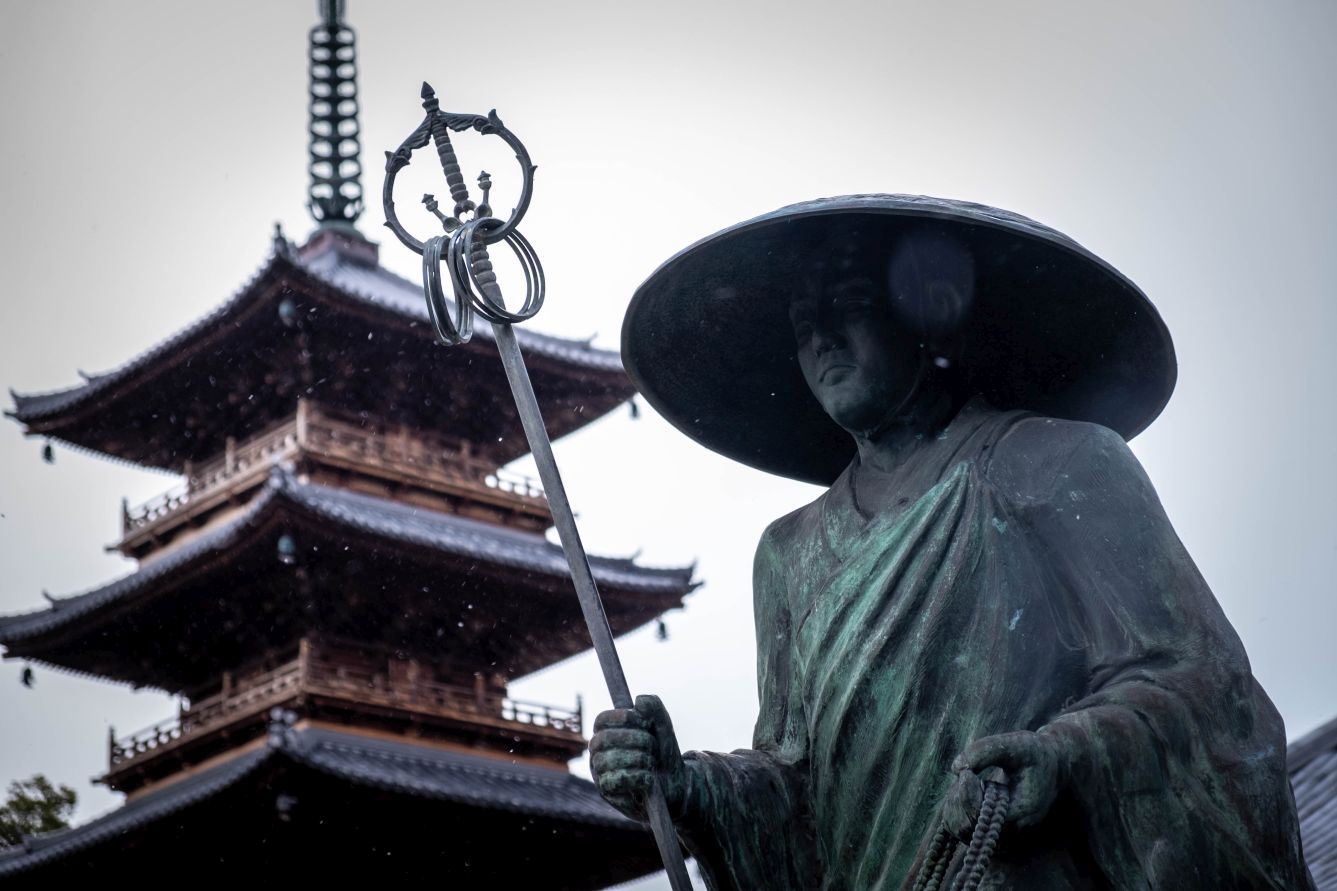
Adjacent to the left corridor of the main hall is the Daishi Hall. To its left are the Jizo Hall and Kannon Hall. Descending the stone steps from the Daishi Hall, statues of Kannon and the ascetic Kūkai stand on either side. To the southwest lies the inaccessible mountain housing the memorial pagoda for Prince Takaoka. There’s a flat lookout area with a magnificent view over Tosa city, with glimpses of the Pacific between the mountains. A bend in the Niyodo River is also visible.
Basho’s verse ‘Clear waterfall / Pine needles scattered by the waves’ is near the bell tower. Additionally, a monument inscribed with two haiku stands beside the final bend of the approach road to the precincts: Zuijo’s ‘Autumn leaves / The guitar girl holds close, even as she embraces them’ and Gisei’s ‘Autumn fireflies / Fifty-six billion seven hundred million years hence in the void’.
History
The temple is said to have been founded by Gyōki in 723. In the Heian period, Prince Takaoka, the third son of retired Emperor Heizei, entered the Buddhist order after being implicated in an attempt to overthrow Emperor Saga. He became a disciple of Kūkai who had supported Saga with prayer. In 861, Takaoka visited the temple and erected a memorial stupa, a kind of grave built while one is still alive.
In the 1668, a fire completely destroyed the main hall, which was subsequently rebuilt. At that time, to prevent future fires, the maritime deity Konpira was enshrined here. The current main hall of Kotohira Shrine was rebuilt in 1831.
The temple prospered during the Edo period but was abolished in 1871 in the Meiji period, only to be revived in 1880.
Legends
After Gyōki founded the temple, Kūkai visited during his ambulation of Shikoku . Praying for abundant harvests, he performed a seven-day ritual in the mountains. On the final day, striking the front altar with his vajra staff caused clear water to spring forth, forming a mirror-like pond. The temple was renamed after this clear water.
Information
Name in Japanese: 清滝寺
Pronunciation: keeyo-taki-jee
Address: 568-1 Tei, Takaoka-chō, Tosa, Kōchi 781-1100