Chōmei-ji Temple
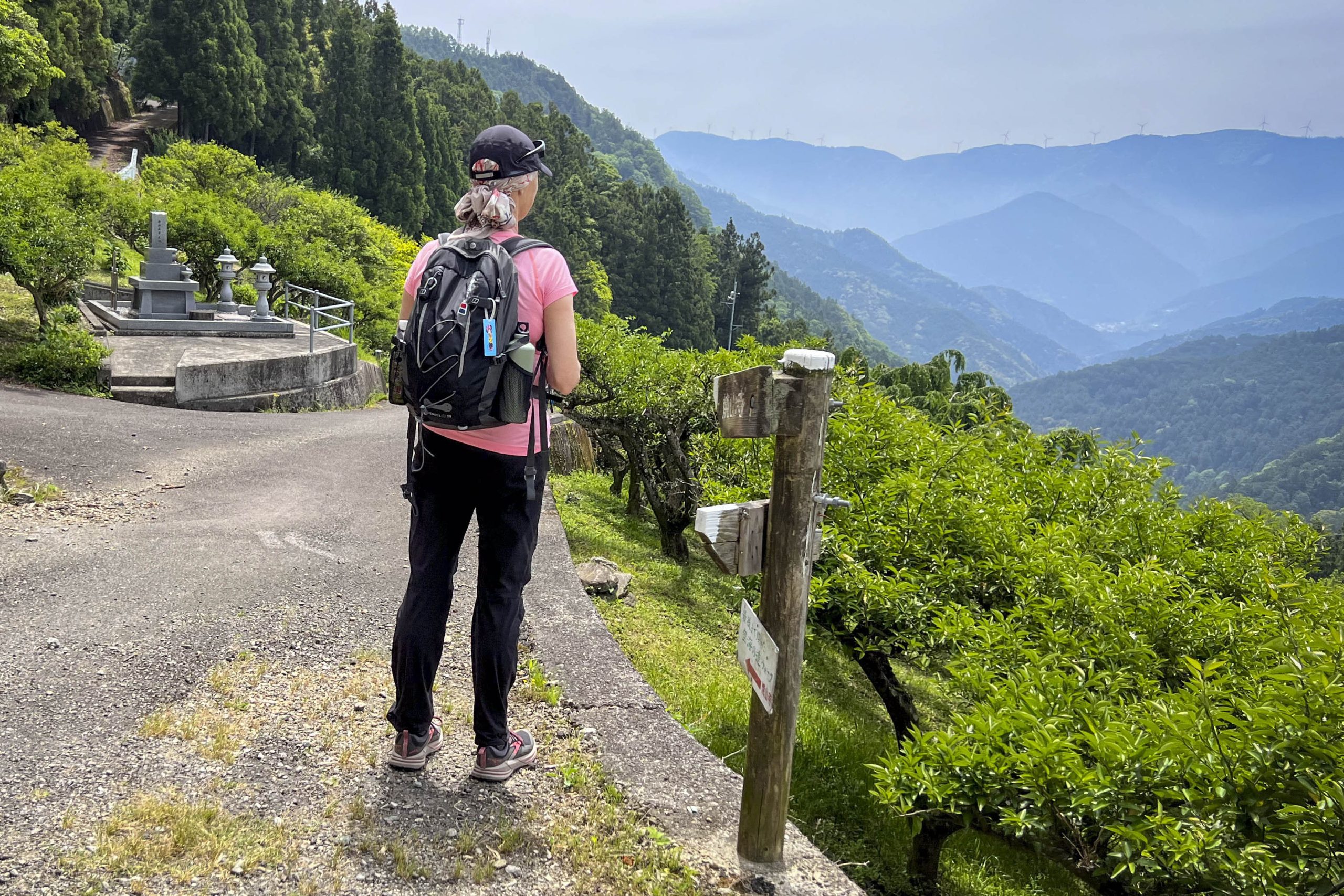
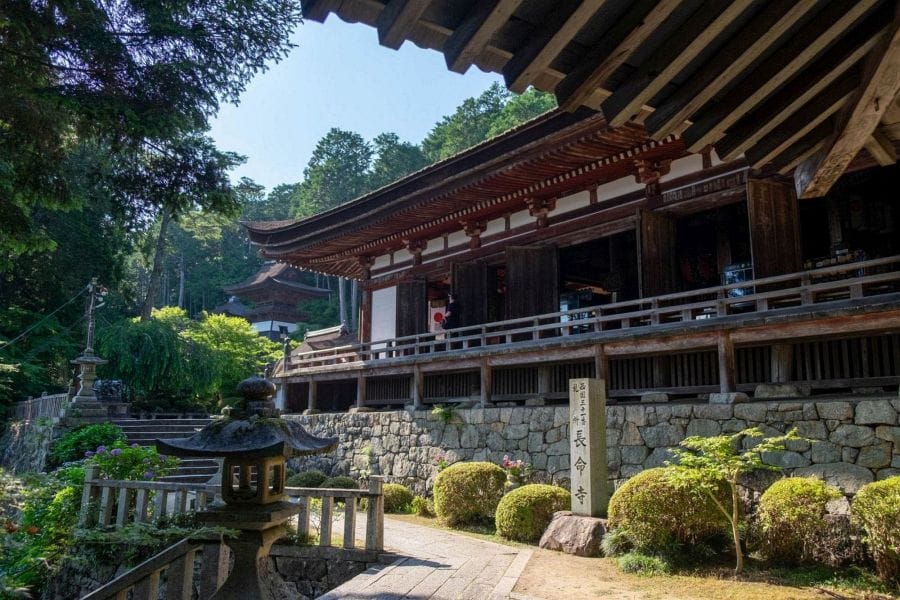
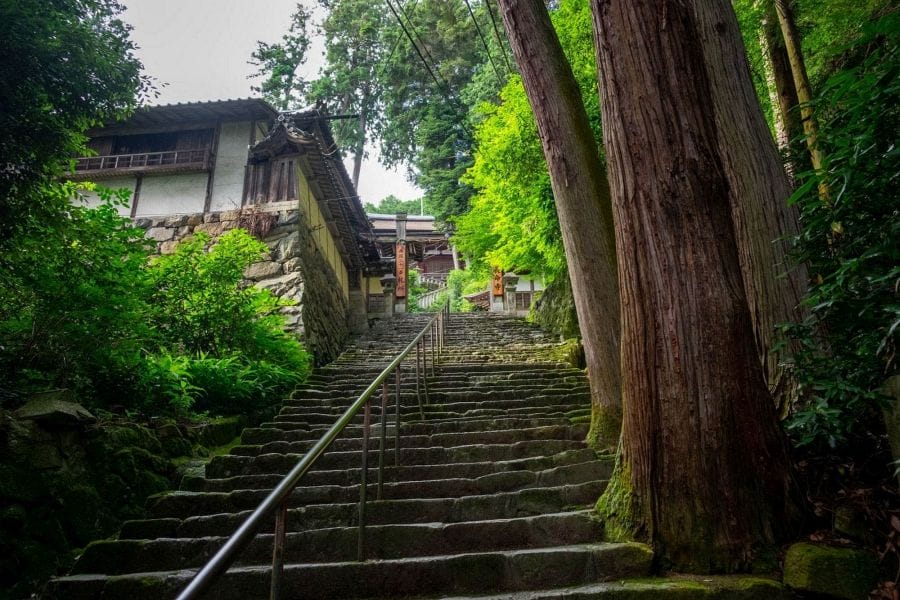
Chōmei-ji is a Tendai Buddhist temple set on the southwestern slope of Mt. Chōmeiji, within the municipality of Ōmihachiman. The temple precincts sit at around 240 metres above sea level and are reached by climbing 808 stone steps from the base of the mountain. The ascent takes roughly twenty minutes at a steady pace and is demanding in places, but the scenery and sense of arrival make it a rewarding walk. There’s also a road leading partway up the mountain, although even from the car park you still need to tackle a short but steep flight of steps.
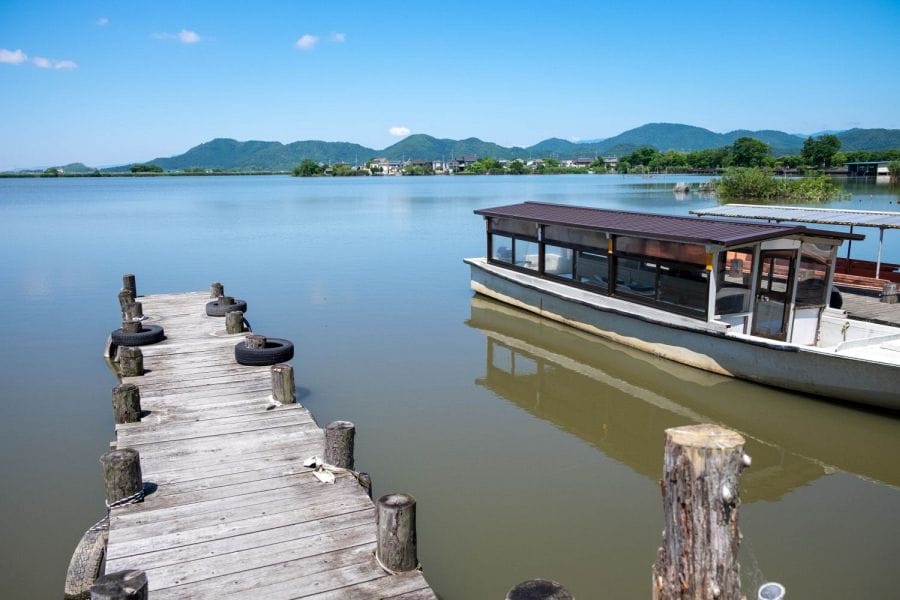
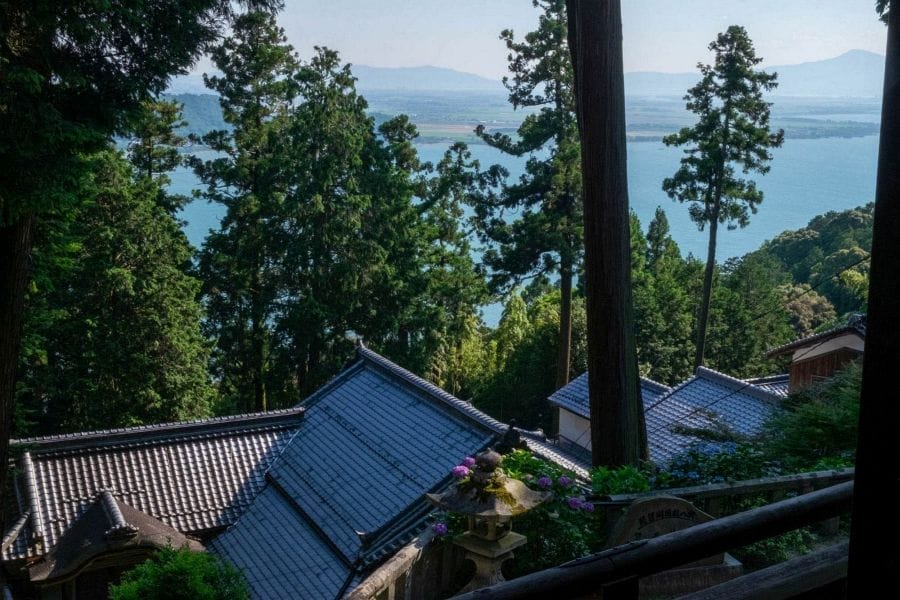
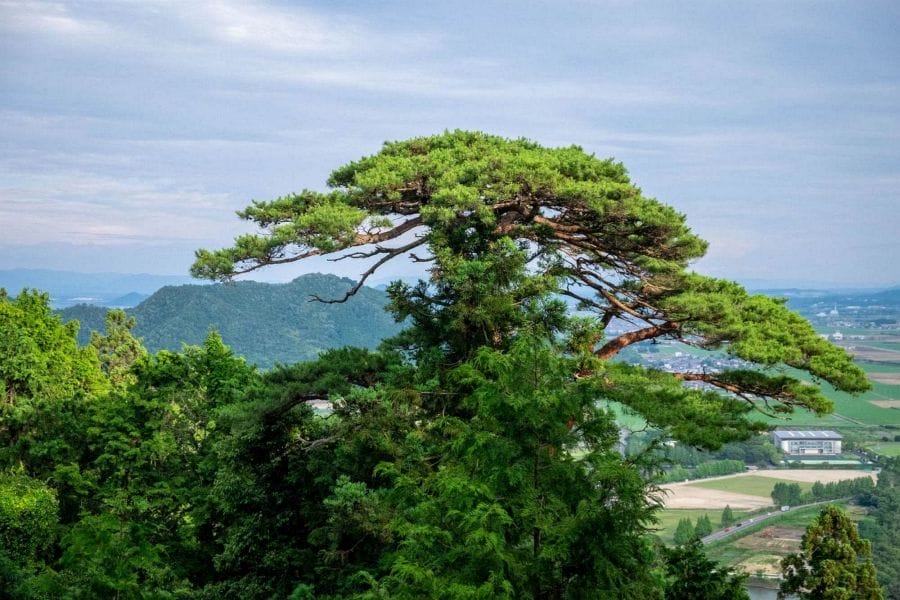
Mt. Chōmeiji rises beside the eastern shore of Lake Biwa. To the east lies land reclaimed from what was once Lake Dainaka, a smaller body of water formerly connected to Biwa. Before the reclamation works, the mountain stood as an island, and a wharf at its foot marked the entrance to the Chōmeiji River, which linked this area with Azuchi. This made the site an important transport hub in earlier centuries.
What to See
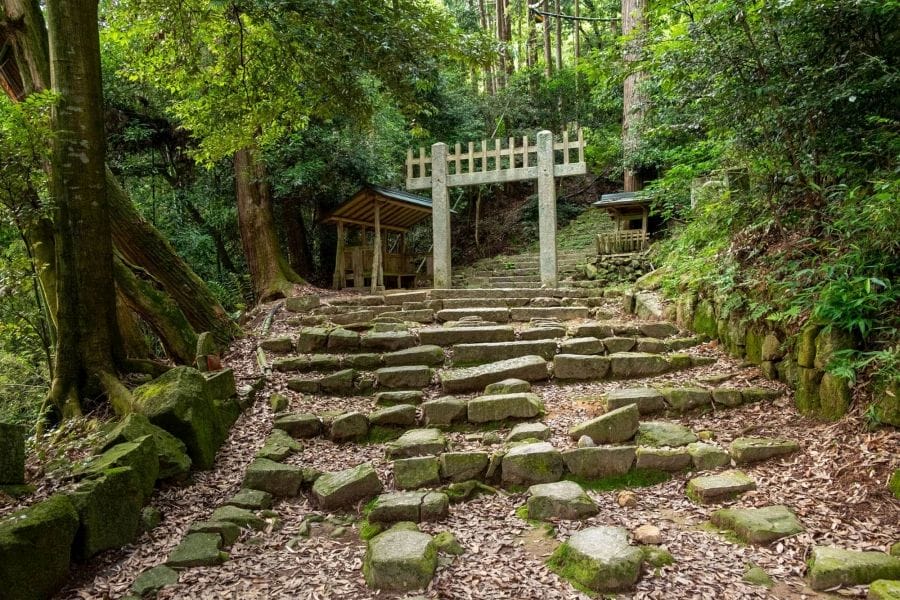
The traditional approach to the temple begins at the foot of the mountain, where you first pass Hiyoshi Shrine on the left and Kokuya-ji Temple on the right. Kokuya-ji once served as a storehouse for rice levied from temple lands. As you continue upward, the path leads past four former sub-temples. Records from 1692 suggest there were once as many as nineteen, indicating that Chōmei-ji was once part of a far larger complex. About halfway up stands an unusual combined stone-and-wood gate structure, though there is no formal mountain gate as such.
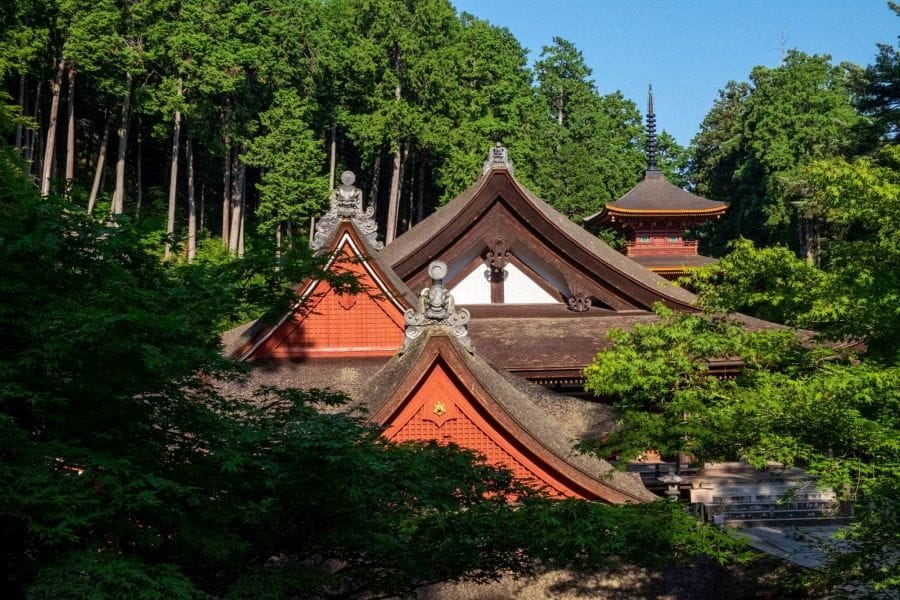
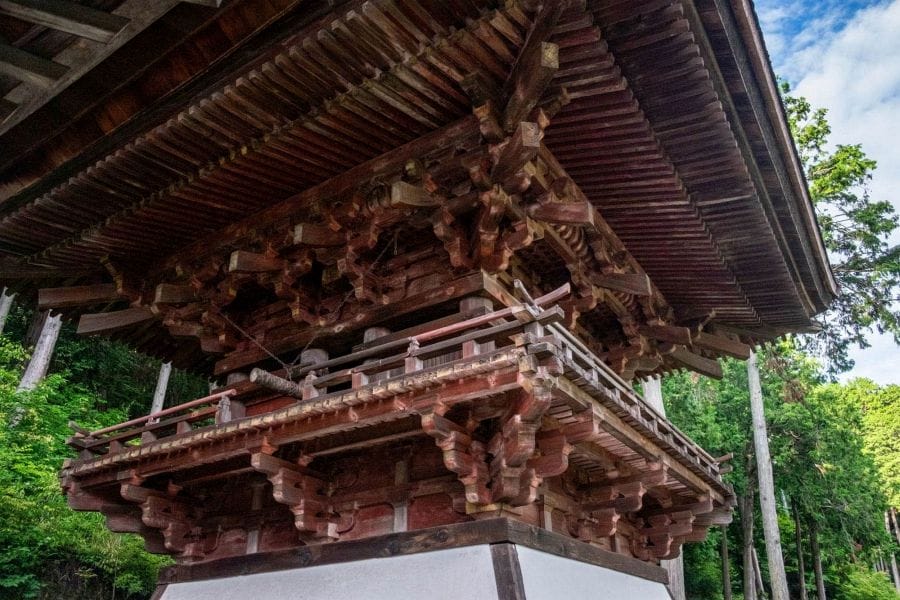
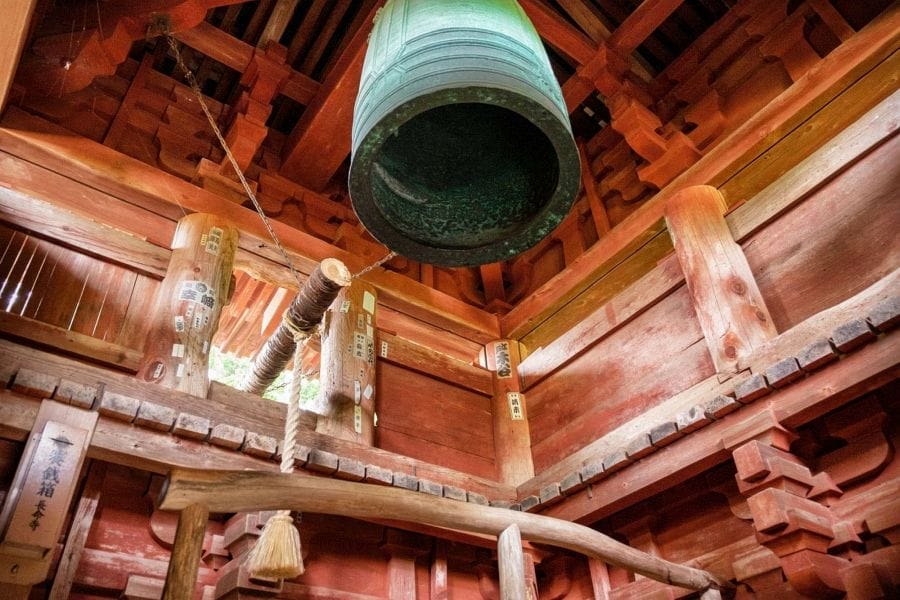
At the top of the steps, the path brings you out beside the main hall. The principal buildings are arranged across the slope. The main hall faces south, while to the right stand the Goma-dō and a three-storey pagoda. On the left are the Sanbutsu-dō, the Gohō Gongensha, and the belfry. You can climb into the belfry, which offers an excellent vantage point over the main hall and pagoda. The roof of the main hall is finished in cypress or wooden shingles, adding to the temple’s traditional appearance.
A little further back is the Tarobō Gongensha building, and scattered around the wooded area behind the main hall are exposed megaliths. These large stones are thought to be remnants of ancient nature worship that predated the temple’s Buddhist foundations, hinting at the site’s much older spiritual significance.
History
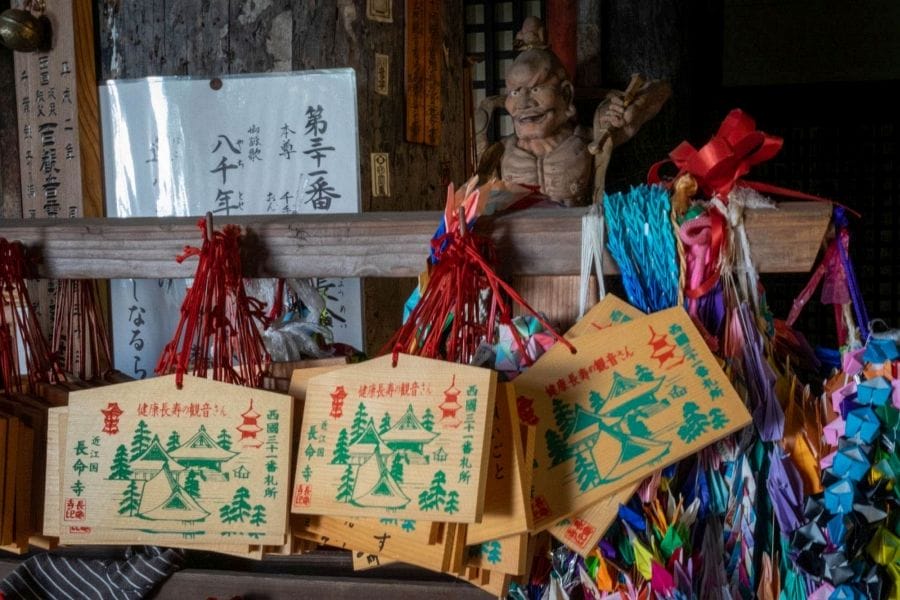
Chōmei-ji is the thirty-first temple on the Saigoku Kannon Pilgrimage, a circuit of thirty-three temples across the Kansai region dedicated to the bodhisattva Kannon. In earlier times, pilgrims would arrive by boat after visiting Hōgon-ji on nearby Chikubu Island, landing at the wharf below the mountain before making the climb to the temple.
The precise date of the temple’s founding is unknown. The earliest written reference to Chōmei-ji appears in a document from 1074. In 1184, Sasaki Sadatsuna built the Sanbutsu-dō in memory of his father, Sasaki Hideyoshi, who had died in battle. During the latter half of the Heian period, additional halls were constructed, transforming Chōmei-ji into a substantial Buddhist complex.
Throughout the Kamakura period, the temple enjoyed the patronage of the Sasaki–Rokkaku clan, who served as military governors of Ōmi Province. Medieval records show that Chōmei-ji functioned as an affiliated temple of the western precincts of Enryaku-ji on Mt. Hiei. It continued to prosper into the Muromachi period under Rokkaku support, but in 1516 the complex was destroyed by fire during internal strife within the clan. Most of the buildings visible today date from reconstruction efforts carried out from the late Muromachi period into the early Edo period.
Legends
The name Chōmei-ji means “long life”, and local legend links it to the semi-legendary statesman Takenouchi no Sukune. According to folklore, during the reign of the twelfth Emperor Keikō, Sukune prayed for longevity by carving the characters for “long life” into a willow tree on this mountain. He is said to have lived for 300 years.
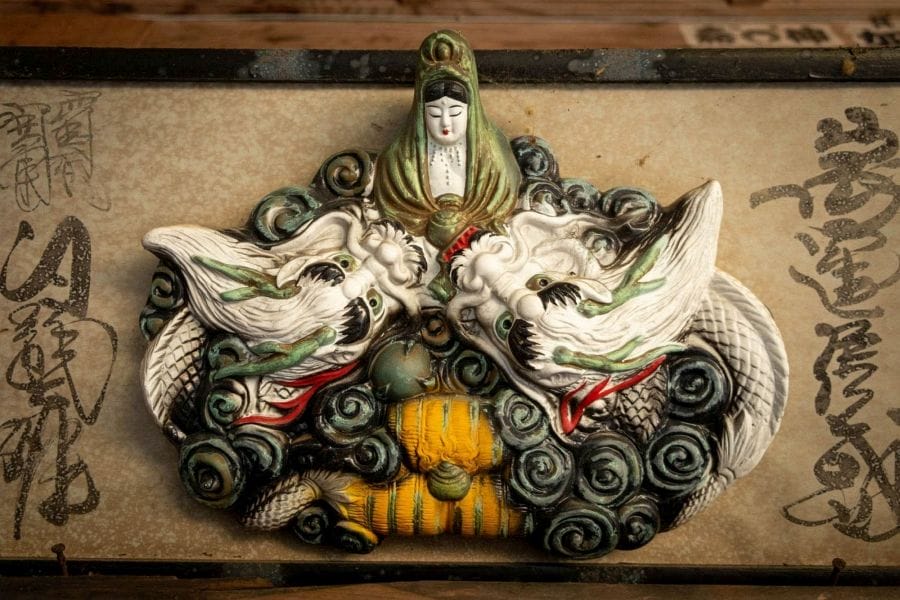
The story continues with Prince Shōtoku, who later visited the site and discovered the carved characters. While he was admiring them, an old man with white hair appeared and instructed him to carve a Buddha image from the same tree and enshrine it there. The prince is said to have carved an eleven-faced Kannon statue and to have named the temple Chōmei-ji in reference to Sukune’s extraordinary lifespan. As a result, the temple has long been associated with prayers for longevity, and it’s still believed that worshipping here will bring a long life.
Information
Name in Japanese: 長命寺
Pronunciation: choh-mei-jee
Address: 157 Chōmeiji-chō, Ōmihachiman, Shiga 523-0808