
Shikoku
Shikoku is the smallest and least developed of Japan’s four main islands. It’s home to the Shikoku Pilgrimage.
Intro
A sacred island where history, adventure, and Nature intertwine
Most first-time visitors to Japan stick to a predictable course on the main island of Honshu, which takes them to Tōkyō, Kyōto, and Hiroshima, and a few other places. For first-time visitors, this is probably how it should be. But for people who have visited Japan already, there’s much more to be discovered, and Shikoku represents a whole new field of exploration.
Our Shikoku Tours

The geography of Shikoku
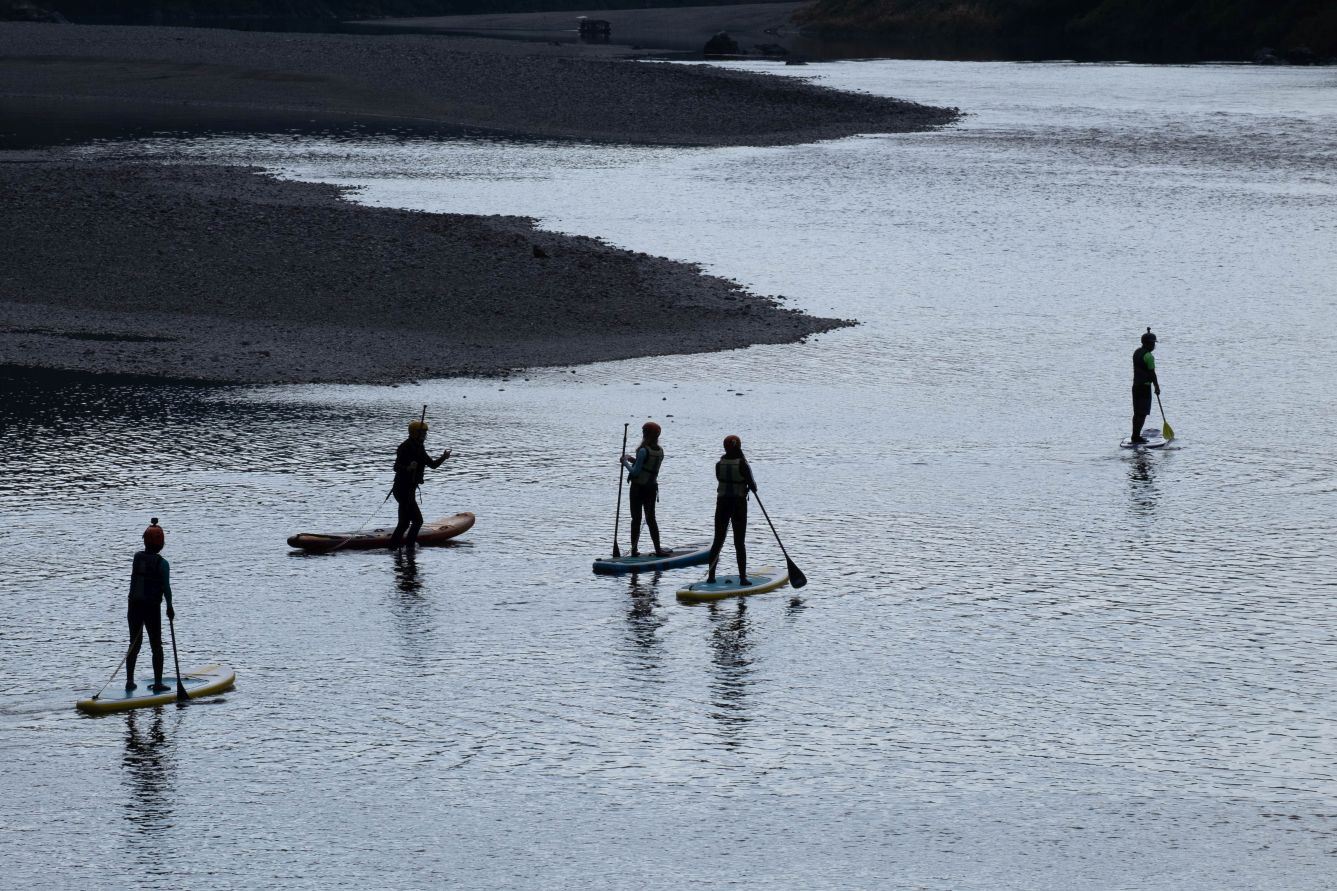
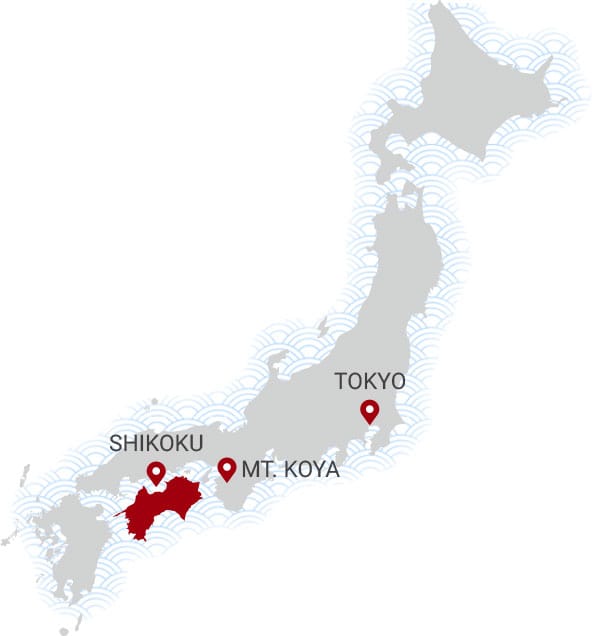
Shikoku lies in the southwestern part of Japan, south of the main island of Honshu. The northern coast of Shikoku forms the southern edge of the Seto Inland Sea, sometimes referred to as Japan’s Mediterranean Sea. Shikoku is bordered to the south by the Pacific Ocean. The Inland Sea has calm, cold water, ideal for fishing and diving, while the warm, glassy swells of the Pacific in Kōchi attract surfers and whale watchers.
While Shikoku is the smallest of Japan’s four main islands, small is relative. The island has an area of 18,800 km², and due to its mountainous interior, charmingly odd shape and basic infrastructure, Shikoku feels like a very expansive place. Visitors often remark on how much bigger it feels than they expected.
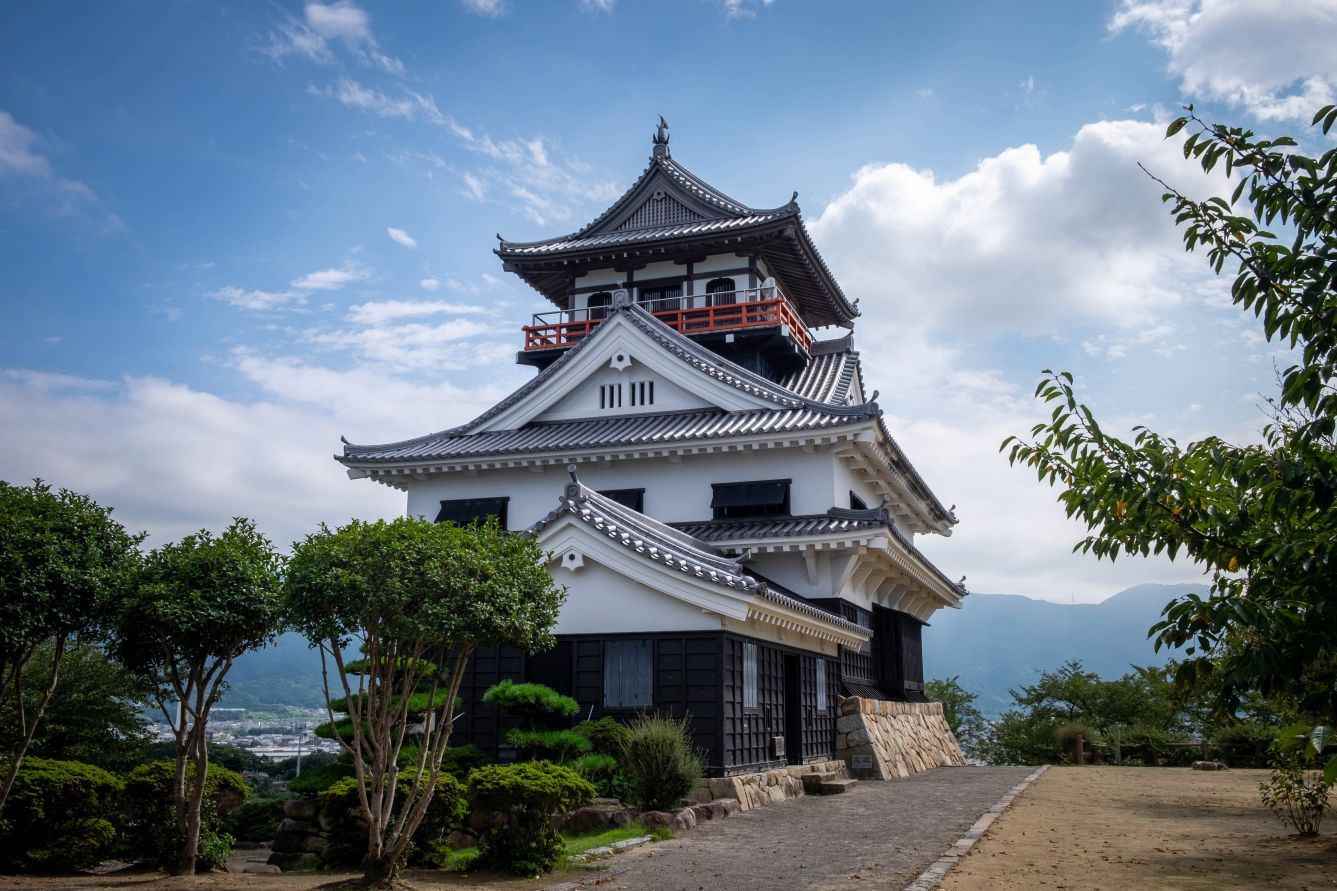
Shikoku has four prefectures: Ehime, Kagawa, Kōchi, and Tokushima, formerly the feudal domains known as Iyo, Sanuki, Tosa and Awa. This explains why ‘Shikoku’ is written with the kanji for ‘four countries’, since domains used to be called countries. Each prefecture has its own unique geography and culture, and you can read more about each in our prefecture profiles.
The middle of Shikoku is mountainous, and the island has the highest mountain in Western Japan, Mt. Ishizuchi. The dramatically angled peak of Ishizuchi-san is an object of worship to the Shugendō sect, and every spring, believers climb the chains hanging from its cliffs to reach the top. In winter, the snowy mountain forms the backdrop to many of Shikoku’s sights.
Shikoku prefectures
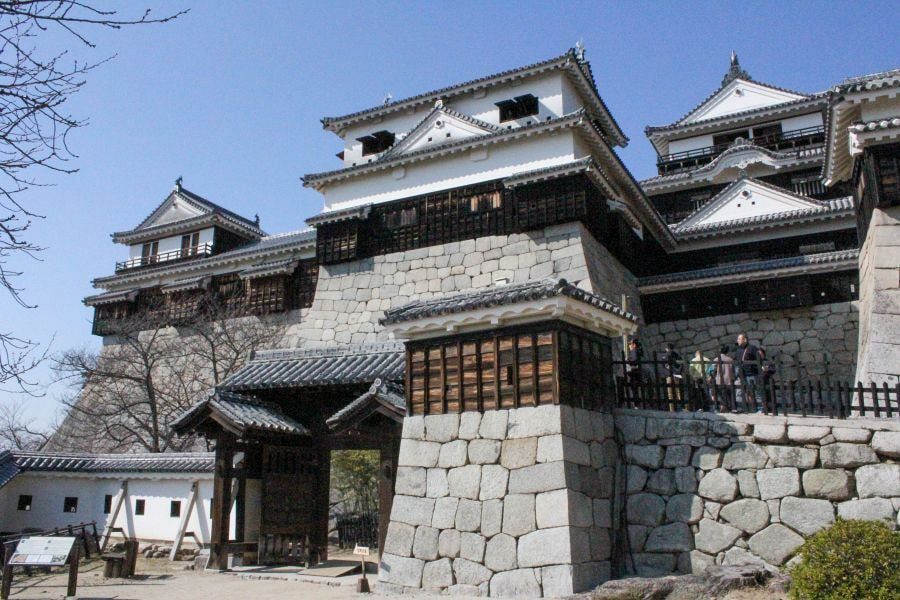
Ehime occupies the northwestern corner of Shikoku. It’s capital city is Matsuyama.
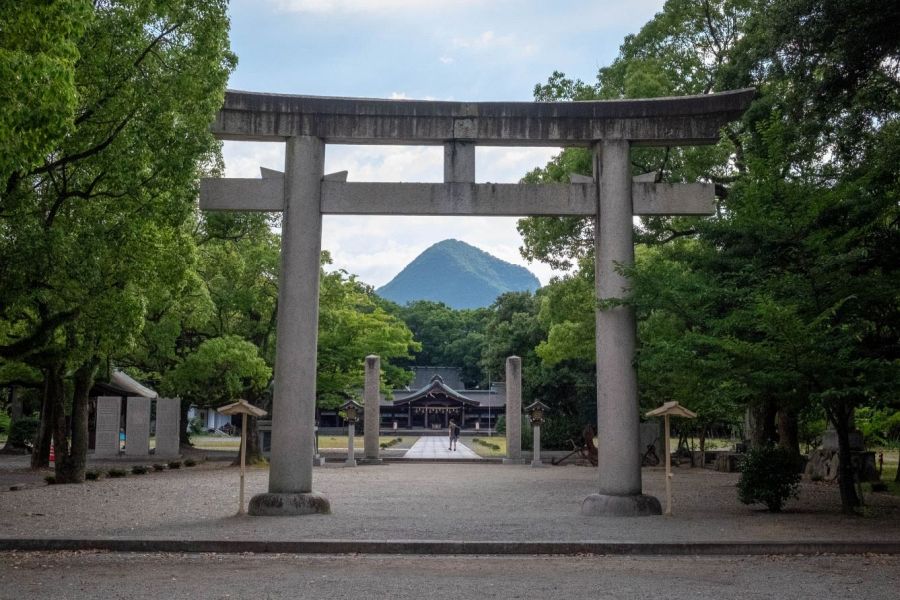
Kagawa sits in the northeast of Shikoku. It’s capital city is Takamatsu.
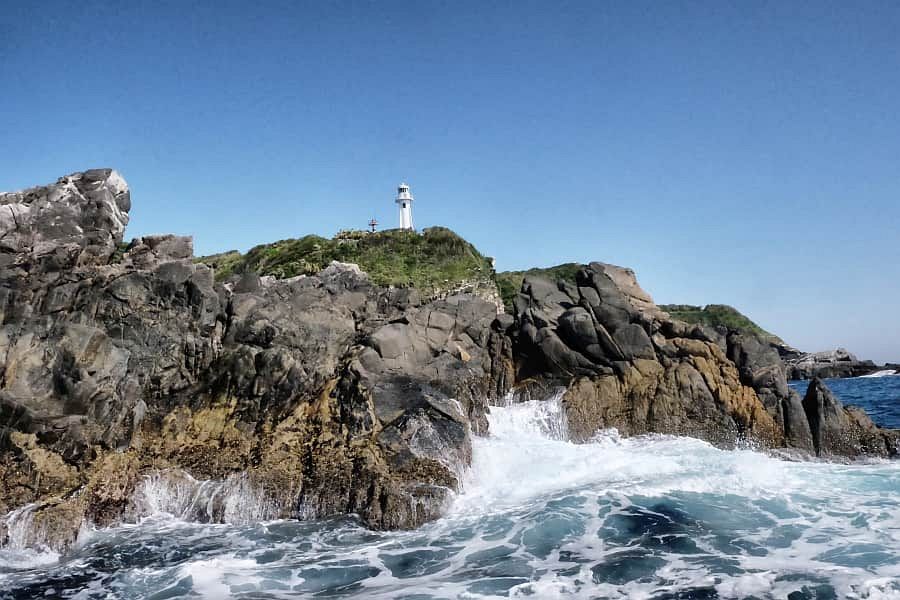
Kōchi occupies the southern half of Shikoku. It’s capital is Kōchi city.
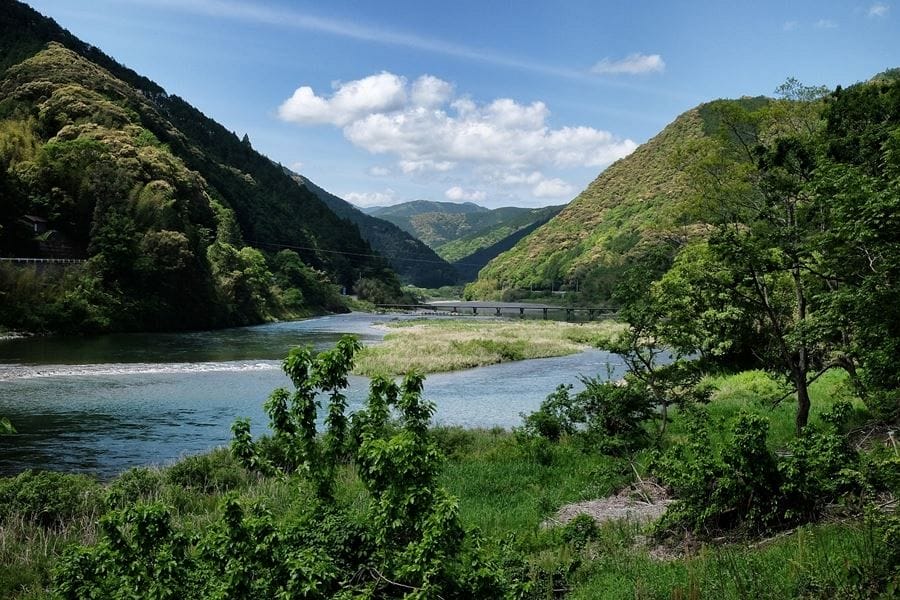
Tokushima is on the eastern side of Shikoku. It’s capital is Tokushima city.
The Shikoku Pilgrimage
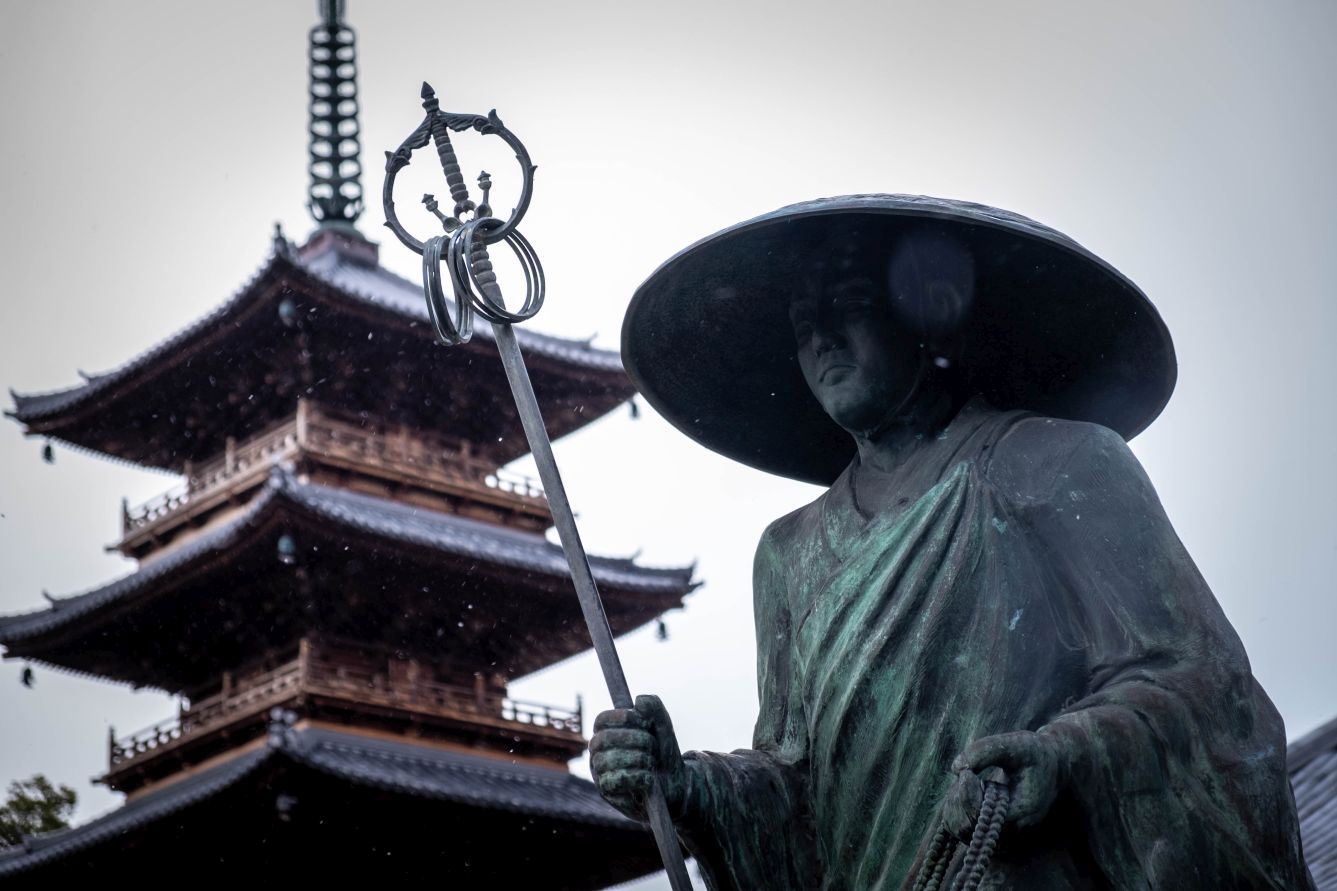
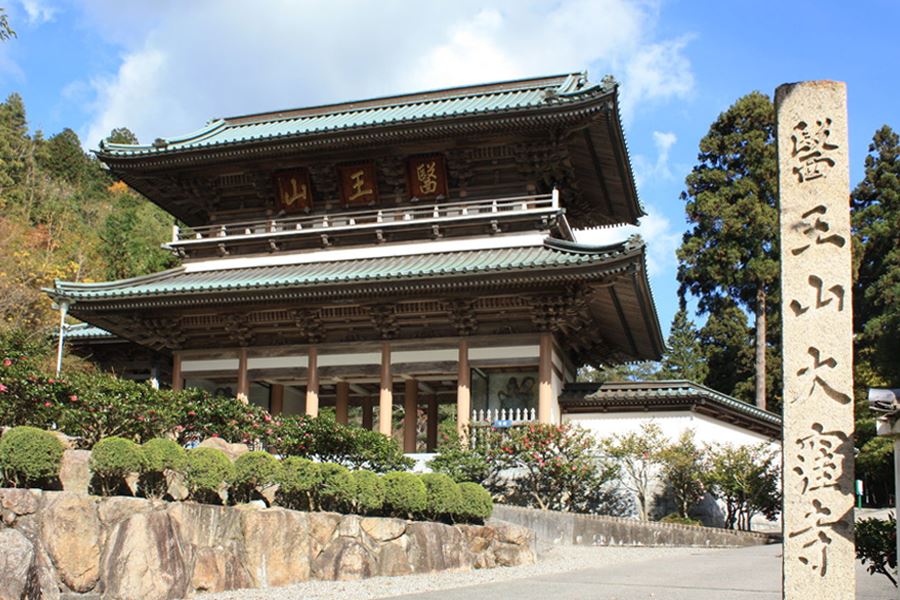
Renowned spiritual journey, where pilgrims walk a route visiting 88 sacred temples associated with the revered Buddhist monk Kūkai, immersing themselves in the rich cultural and spiritual heritage of the country.
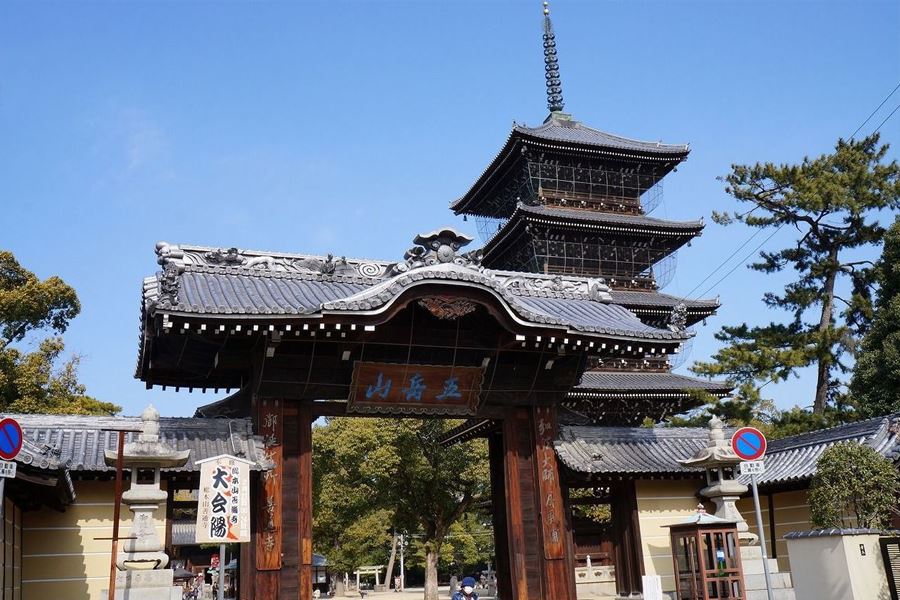
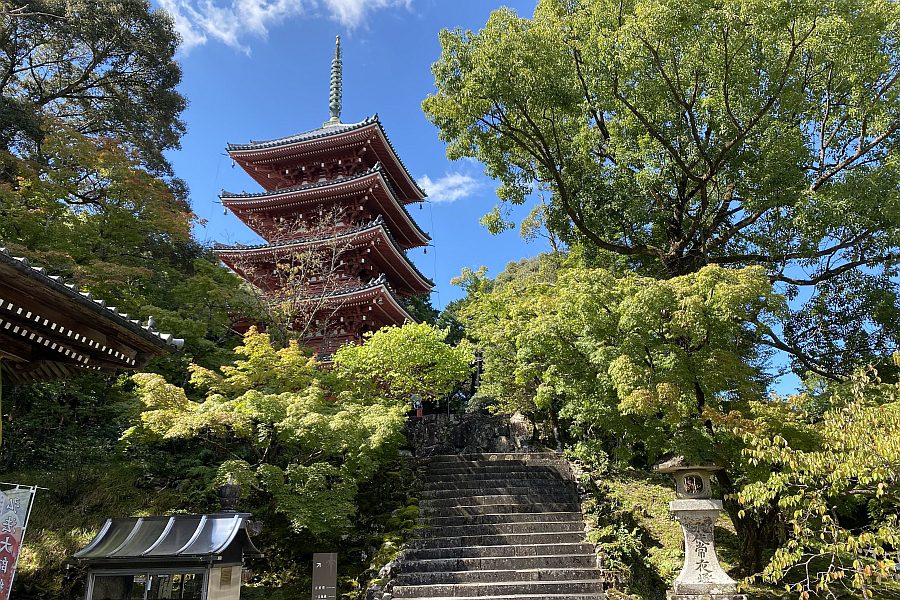
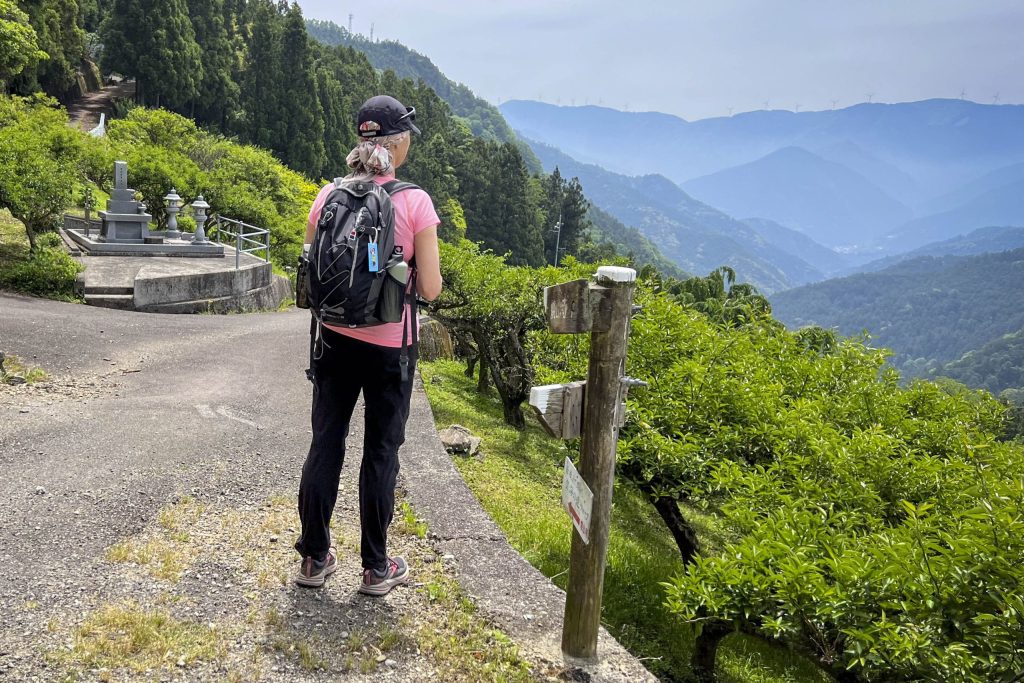
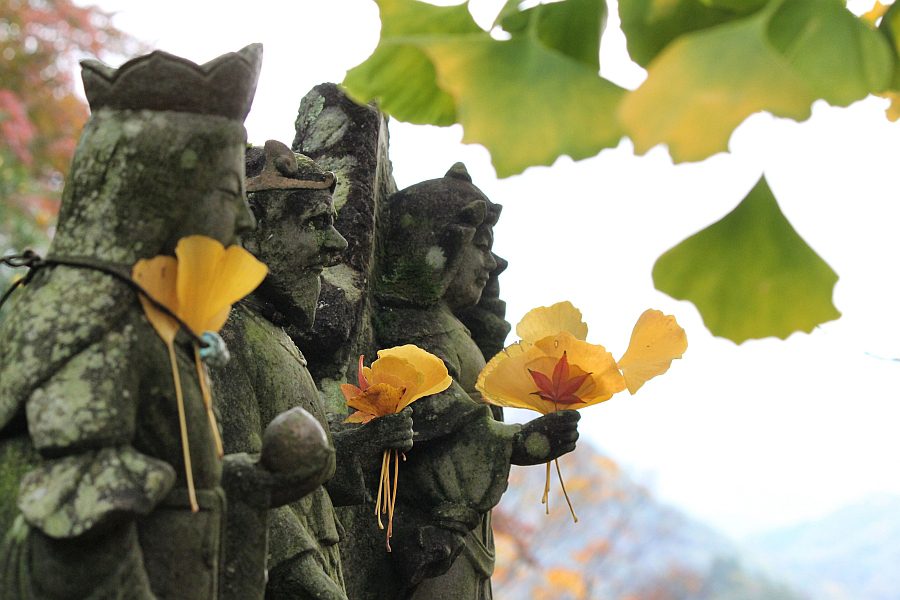
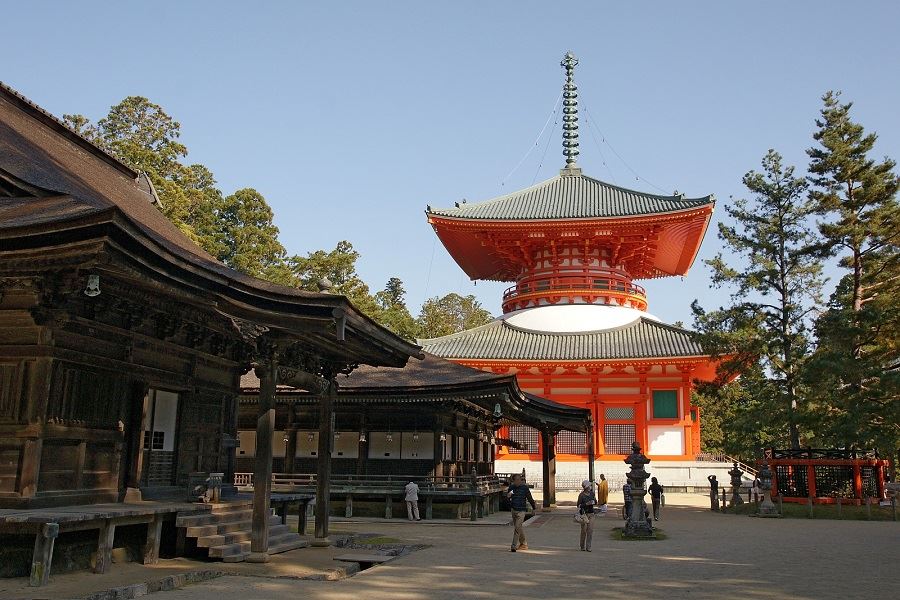
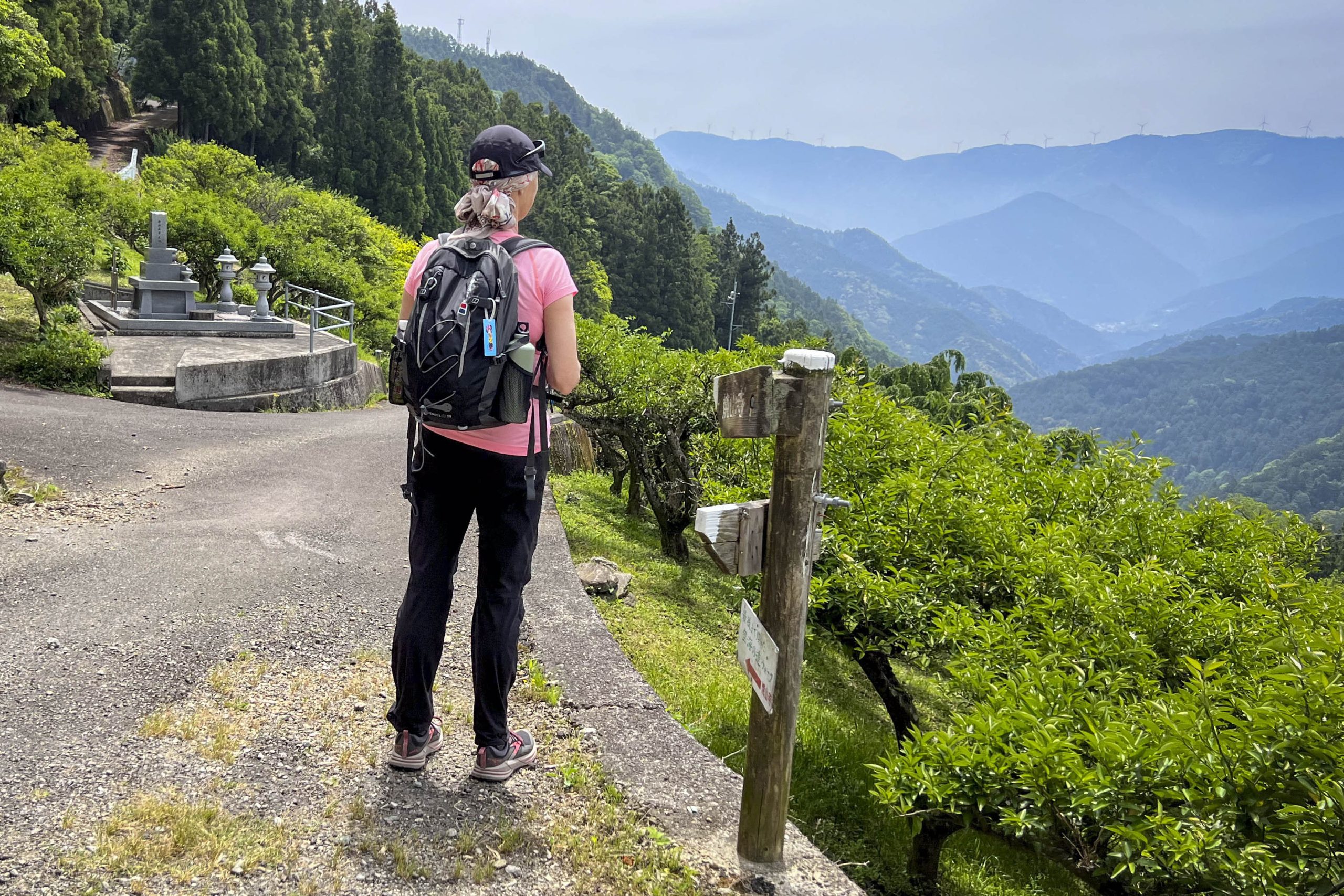
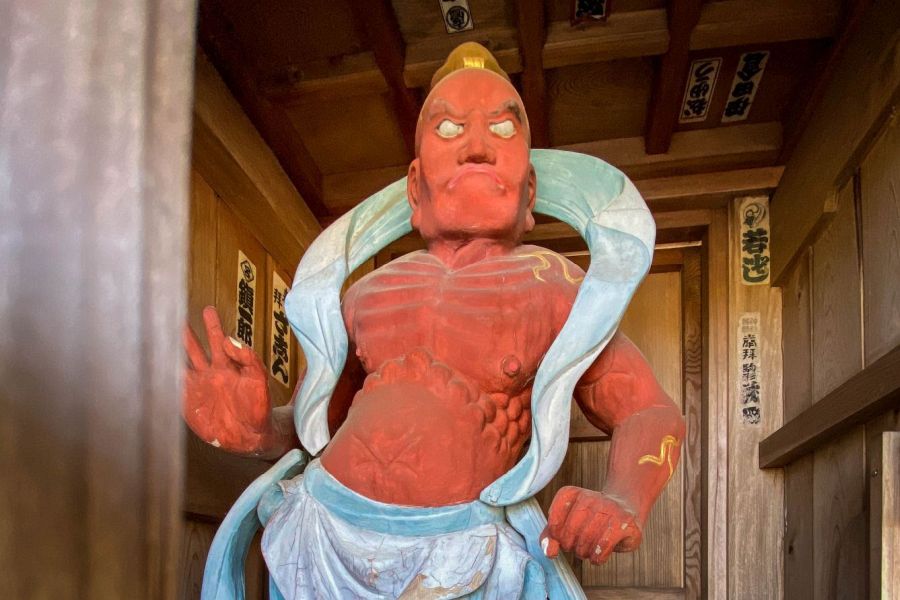
Despite its isolation, Shikoku has had a significant influence on the rest of Japan. The Buddhist monk Kūkai was born and raised in Kagawa, and he’s credited with founding the Shikoku Pilgrimage of eighty-eight temples after visiting China to learn about esoteric Buddhism. To this day, the pilgrimage holds an important place in Japanese life. People of all ages and classes undertake the circuit of Shikoku to develop their spirituality or to cleanse themselves of some flaw.
It takes more than a month to walk the entire pilgrimage, so many choose to complete the route over several trips, or by using motor transport. Shikoku Tours offers various options for visiting the eighty-eight temples, combining walking with charter taxi.
Through their tradition of hospitality towards pilgrims, the people of Shikoku have become gentle and welcoming, and visitors are often moved to tears by the warmth of their interactions with local people.
Access to Shikoku
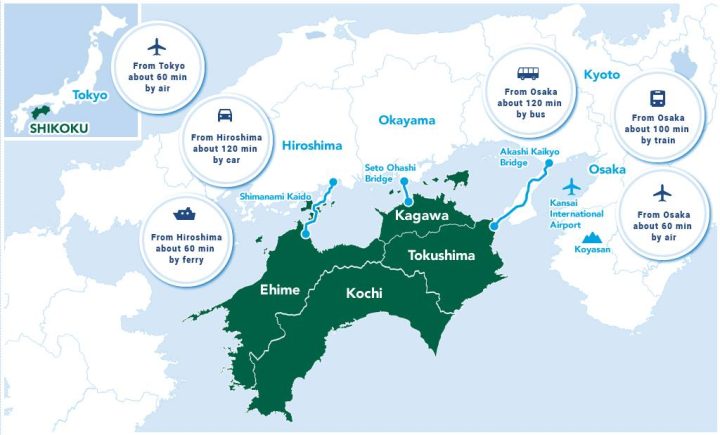
Today Shikoku is linked to Honshu by three bridge systems, with spectacular suspension bridges leapfrogging across the islands of the Inland Sea. The Seto Ohashi Bridge is the longest continuous bridge system in the world, and it’s a sight to be seen. There are also numerous ferry services linking Shikoku to the other islands, and a boat trip over the Inland Sea is sure to be memorable.
Accommodation
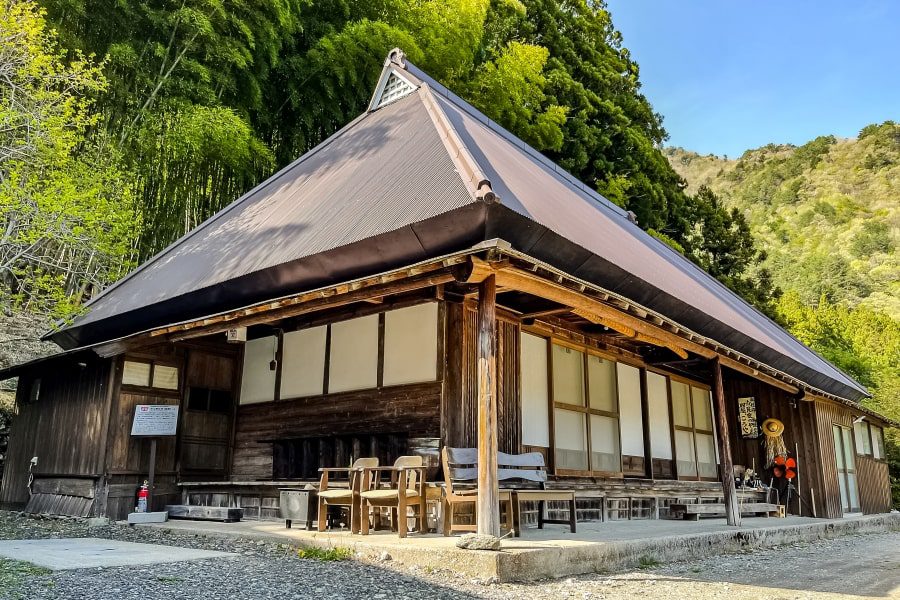
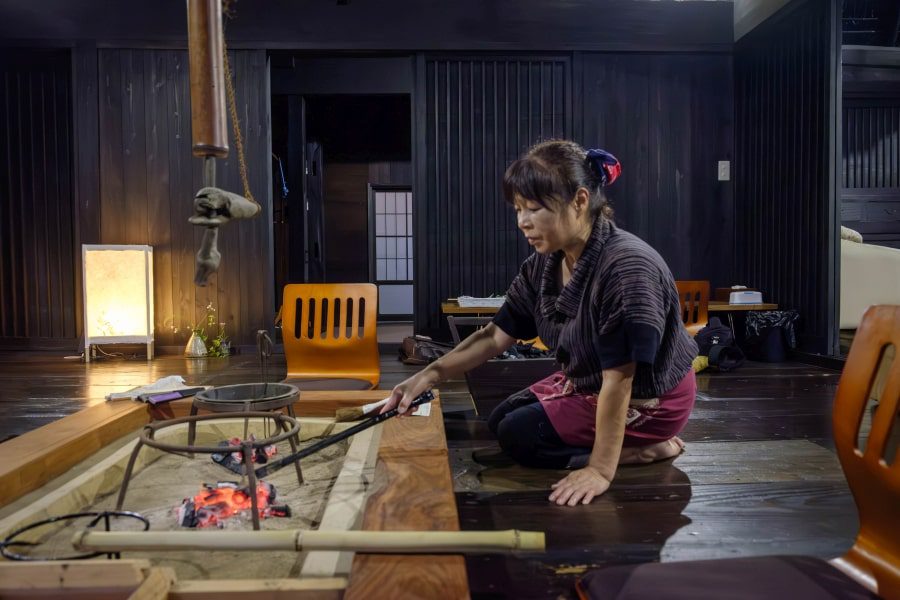
Shikoku has a wonderful range of accommodation, from traditional kominka farmhouses, elegant onsen ryokan, to modern new hotels of every grade. Some parts of the island have yet to catch up with the notion that smoking isn’t a panacea for health, and many establishments have more smoking than non-smoking rooms. We make every effort to meet our customers’ needs in this regard.
Transportation
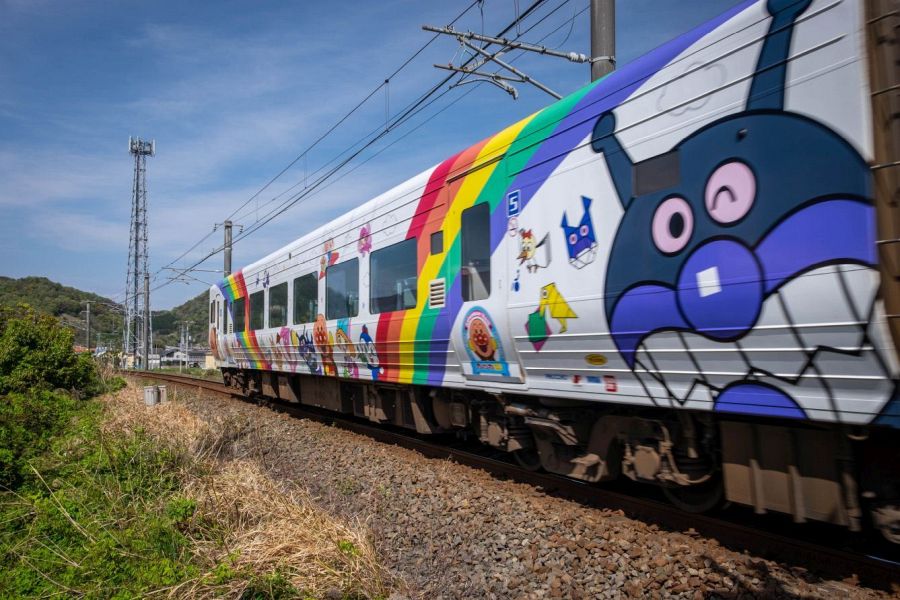
There’s no Shinkansen in Shikoku yet, but the JR Shikoku express trains are fast and comfortable. Many trains and stations now have free WiFi. The highway buses are also cheap and efficient. Shikoku has its own very popular transportation pass for foreign visitors. The expressway network is a work in progress. But the trunk roads that wind along through river valleys are spectacular and largely free of traffic, making Shikoku something of a paradise both for drivers and cyclists.

Festivals
Festivals in Shikoku are strange and wonderful, and there’s something interesting happening year-round. All of the prefectural capitals have summer dance festivals, but the Awa Odori in Tokushima and the Yosakoi in Kōchi are particularly notable. In Kōchi, they like to plunge into the Pacific Ocean with their divine palanquins, despite the high waves, whereas in Ehime they enjoy bashing them together in bloody combat or throwing them down the shrine steps. Uwajima has bizarre perambulating devil bulls and people dressed as deer who dance.
Food
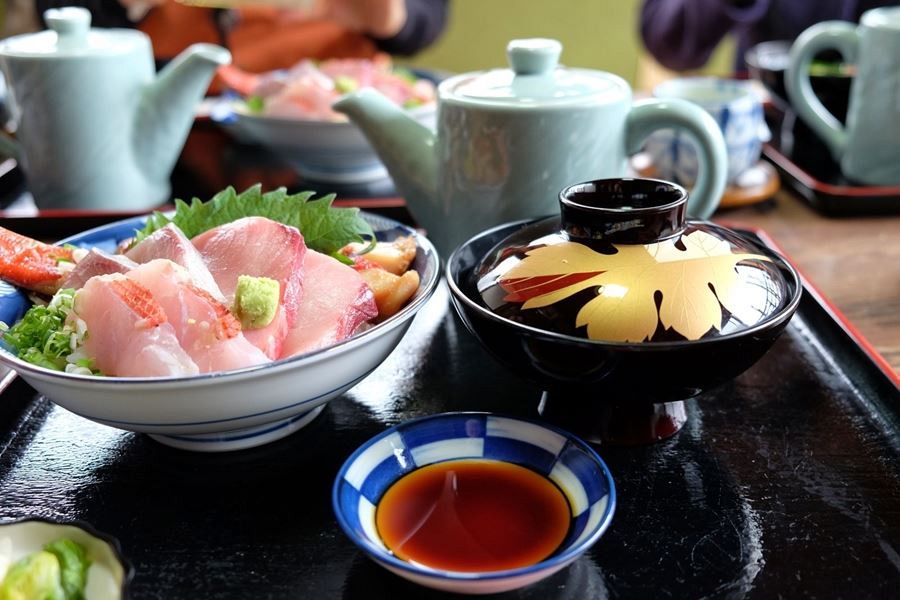
Shikoku’s four prefectures each have their own specialties and styles of sake, but food can be roughly divided between sea and mountain. The seafood of the Inland Sea and the Pacific Ocean is quite different, so a trip around the coastal regions of Shikoku promises much variety, including farmed and wild fish. Central Shikoku is mountainous, and its rivers produce sweet freshwater fish, crabs and shrimp, while game such as boar, venison and pheasant are popular. Seaweed, from both river and ocean, features on the menu too, as well as wild vegetables that most visitors from outside have never seen before. Rest assured, you’ll wish you could take them home with you.
Beverage
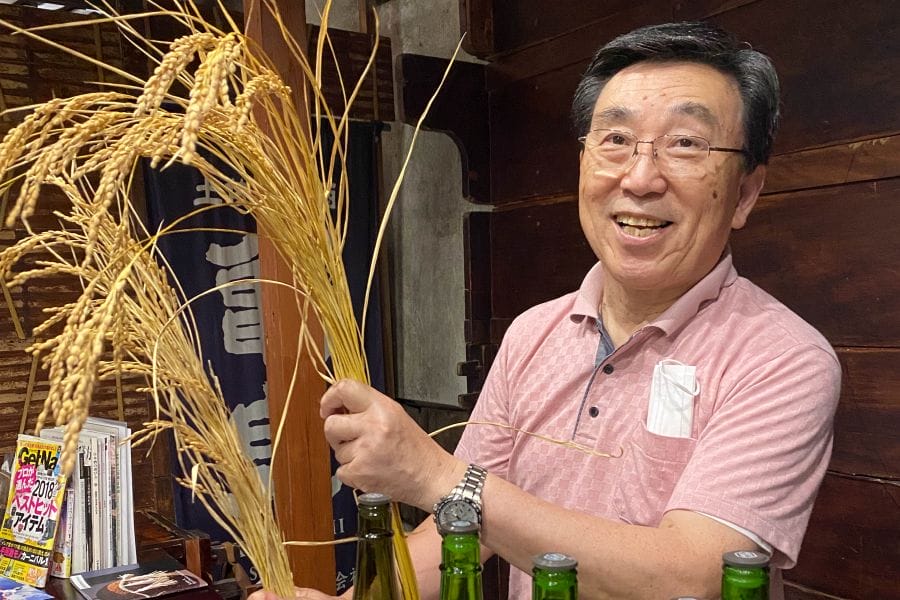
Ehime has one of the highest densities of sake breweries for its size, and Kochi has the highest alcohol consumption in Japan, so Shikoku is great place for sake lovers. If you want to know how sake is made, don’t miss the free museum in Kotohira. Recently, craft breweries are springing up everywhere too, and the Kamikatsu brewery in Tokushima, where everything is recycled, is a perfect example.
Plan your next trip to Shikoku
Shikoku is big place, that isn’t designed for easy getting about. If you want to see all of it in one short trip, expect to be very busy, and do a lot of two-hour drives or longer. We don’t recommend this approach.
Shikoku is a calm and quiet sort of place. The pace of life is slow, and here people enjoy the high-quality food and beverages that a mild climate bestow. It takes a certain sort of person to visit Shikoku—adventurous and individualistic, but with a spiritual side that places value on the quiet, natural pleasures of life.
From simple sightseeing and culture to more specialist interests such as photography, outdoor adventure, food and sake, and the Shikoku pilgrimage, we have a tour for you.
With low-cost flights from Tōkyō, three big bridges from mainland Japan, and ferries from Honshu and Kyūshū, it’s easy to arrange a few days on Shikoku to enjoy the slower pace of life, fresh food, and informal welcome that Japan’s fourth island is known for.
View our take on the top 11 reasons to visit Shikoku.