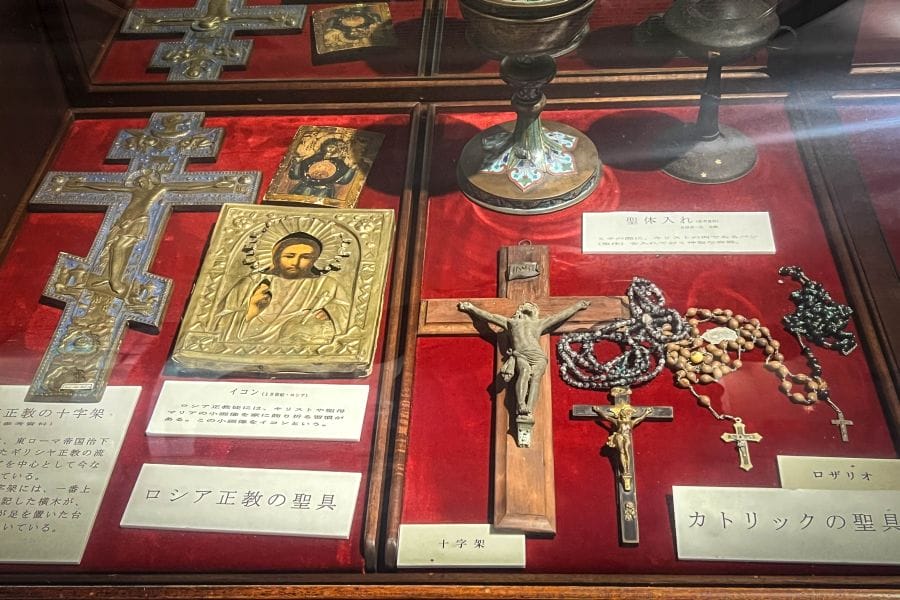
The Hidden Christians of Japan
The story of Japan’s Hidden Christians—known as Kakure Kirishitan—is one of the most unusual religious histories in the world.
The story of Japan’s Hidden Christians—known as Kakure Kirishitan—is one of the most unusual religious histories in the world. It combines early globalisation, missionary ambition, feudal politics, violent repression, and a remarkable experiment in religious survival without clergy, scripture, or outside contact for more than two centuries. The story is most closely associated with Kyūshū, especially Nagasaki and its surrounding islands, but it also touched parts of western Honshū and Shikoku.
The arrival of Christianity
Christianity first entered Japan in 1549 with the arrival of the Jesuit missionary Francis Xavier, who landed in Kagoshima after travelling through Portuguese trade networks in Asia. His mission coincided with the chaotic Warring States period, when rival warlords were competing for power and many were open to new alliances and technologies.
The Jesuits weren’t merely religious figures. They were closely connected to the Nanban trade between Japan and Europe. Portuguese merchants brought firearms, exotic goods, and new global trade routes. For many lords in Kyūshū, Christianity became part of a pragmatic relationship with these traders.
Missionaries were initially successful. Within several decades, Christianity spread across Kyūshū, the region around Kyōto, and parts of western Honshū. Some lords converted—sometimes sincerely, sometimes strategically—bringing their domains with them. By the early 17th century there may have been more than 300,000 Christians in Japan, a remarkable number for a newly introduced religion.
The centre of the movement became Nagasaki, which the Jesuits effectively governed for a time as a Christian town connected to global trade.
The rulers’ growing suspicion
Evidence suggests that the first ruler to confront Christianity directly was Toyotomi Hideyoshi, the warlord who unified most of Japan in the late 16th century. In 1587 he ordered the expulsion of missionaries, although the edict was not strictly enforced at first. Hideyoshi still valued foreign trade and did not want to disrupt it entirely. Several developments changed his attitude.
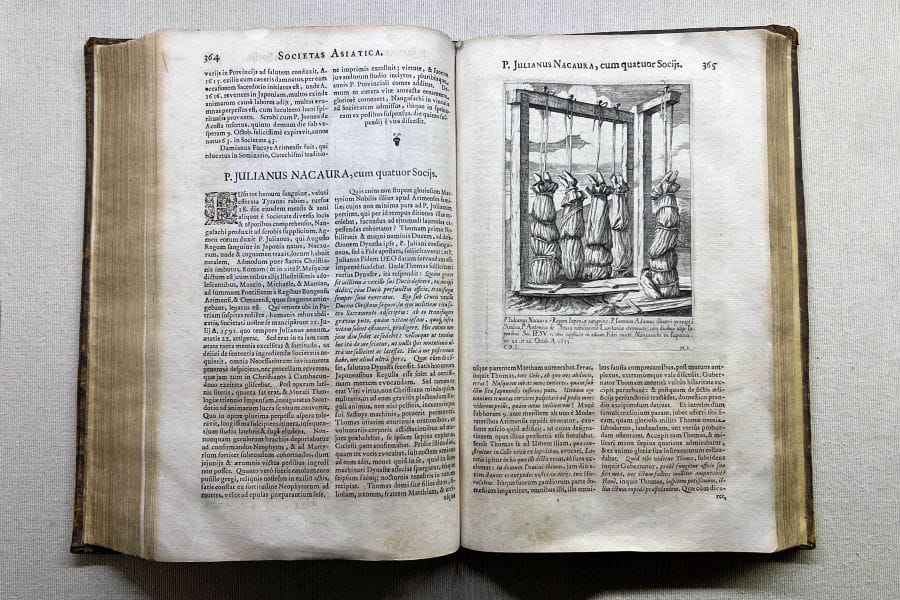
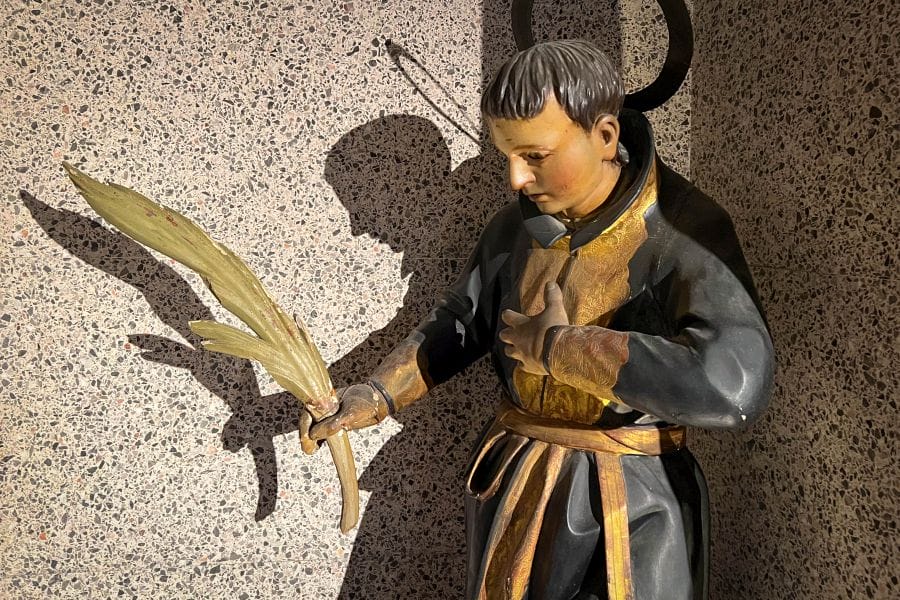
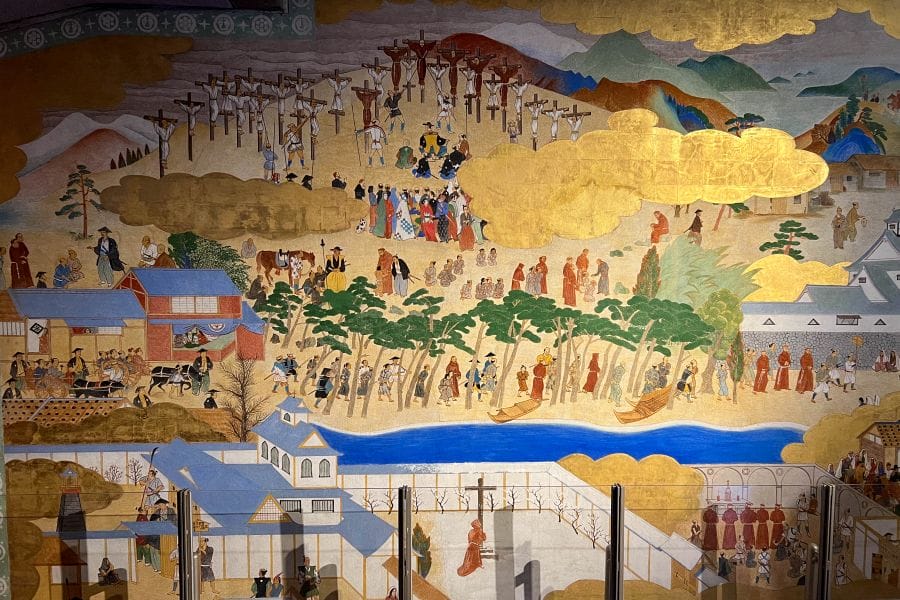
One was the San Felipe incident of 1596, when a Spanish shipwreck led to rumours that missionaries were preparing the ground for colonial conquest. European empires had already used missionaries in this way elsewhere in Asia and the Americas, so the suspicion was not unwarranted. The result was a dramatic warning to the Christian community: the execution of twenty-six Christians in Nagasaki in 1597. Yet the true turning point came under the Tokugawa regime.
The Tokugawa ban
After the establishment of the Tokugawa shogunate in 1603, Tokugawa Ieyasu initially tolerated Christianity for the sake of trade with Portugal and Spain. However, as the new regime consolidated power, Christianity increasingly appeared dangerous.
The reasons were political rather than purely religious. Christianity was connected to European powers that had colonised large parts of Asia. Christians owed spiritual allegiance to the Pope and to foreign clergy, making them likely to be disloyal. Christianity threatened feudal stability since the Tokugawa state depended on strict hierarchies and social control. A rapidly spreading transnational religion could disrupt that structure.
In 1614 the shogunate officially banned Christianity throughout Japan. Churches were destroyed, missionaries expelled, and converts forced to renounce their faith. The government then created an elaborate system to eliminate Christians. Every household had to register with a Buddhist temple, and temple priests became part of the state’s surveillance system. Officials regularly checked residents’ religious status through written records. Buddhism became not simply a rival religion—it was integrated into the state apparatus that monitored and suppressed Christianity.
Persecution and martyrdom
The suppression quickly became brutal. From 1617 to 1644 at least 75 missionaries and more than 1,000 Japanese Christians were executed, often through torture designed to force apostasy. One infamous method was fumi-e. Suspected Christians were ordered to step on images of Christ or the Virgin Mary to prove they had renounced their faith.
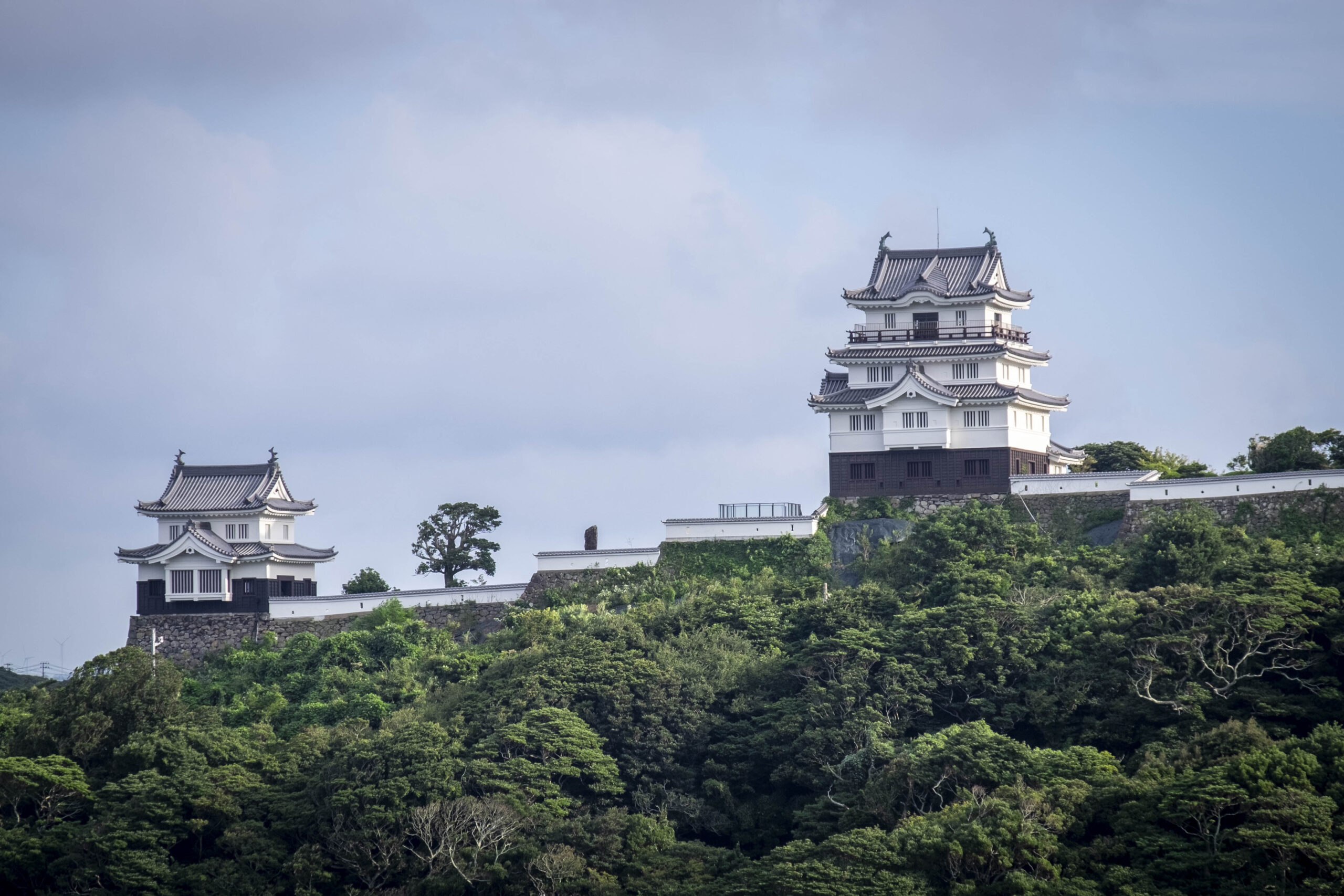
The climax of the conflict was the 1637–1638 Shimabara Rebellion, an uprising centred on Christian peasants and rōnin in Kyūshū. The revolt had multiple causes—heavy taxation, famine, and harsh rule—but Christian communities played a major role in it. After a long siege at Hara Castle, the shogunate crushed the rebels and killed tens of thousands. The rebellion convinced the authorities that Christianity was a serious threat to political stability.
In response, the Tokugawa government intensified its campaign against the religion and moved toward national isolation. Portuguese traders were expelled, and Japan entered the era of sakoku, the controlled closing of the country. By the mid-17th century, Christianity appeared to have been eradicated.
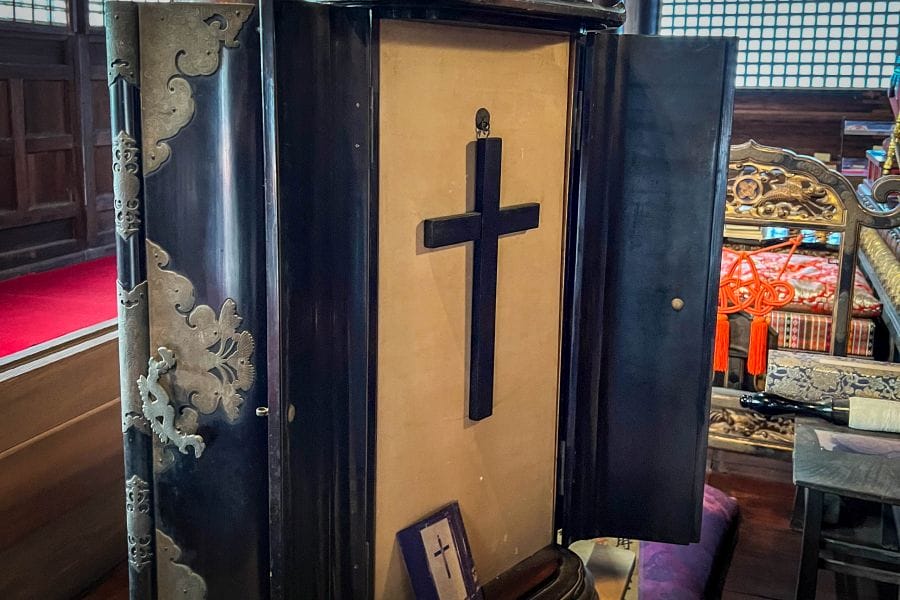
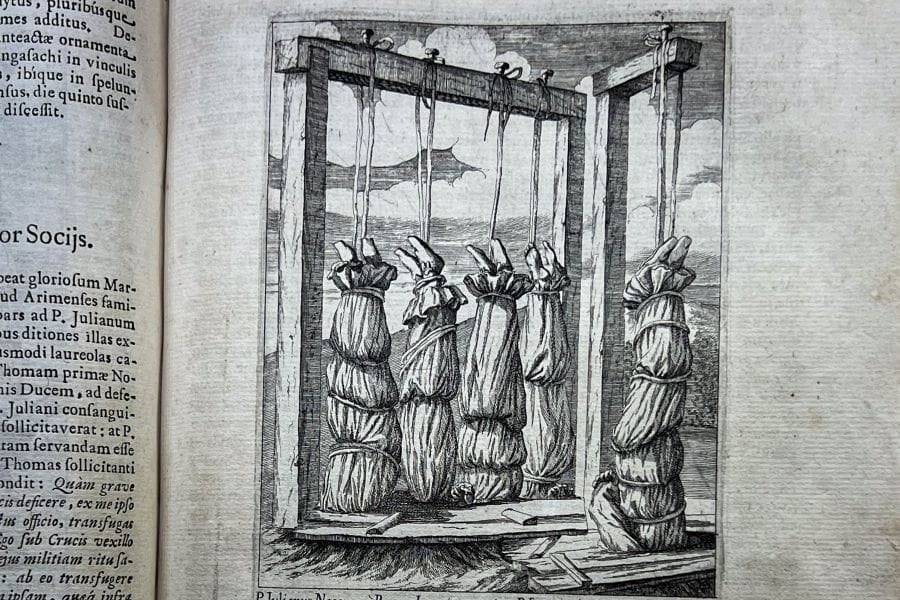
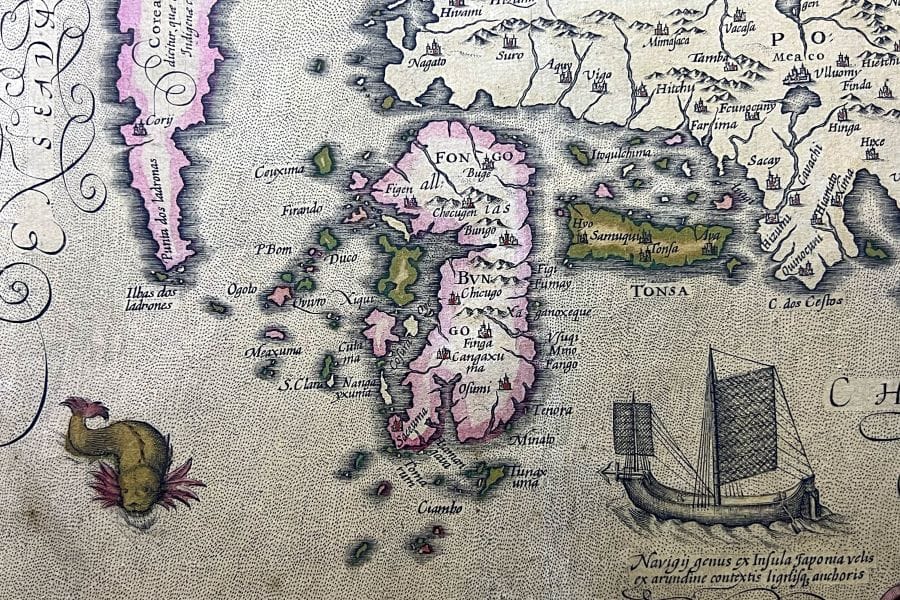
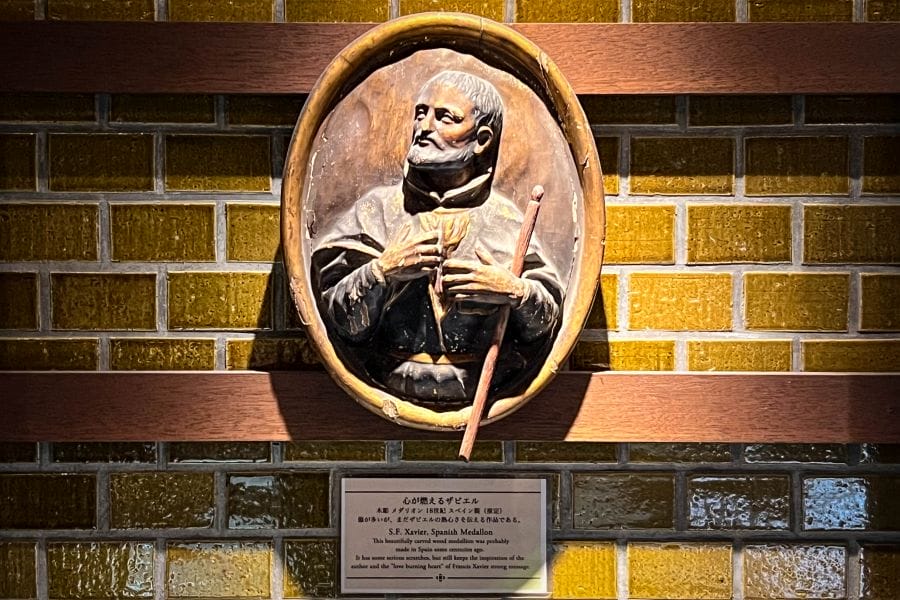
The Time of the Hidden Christians
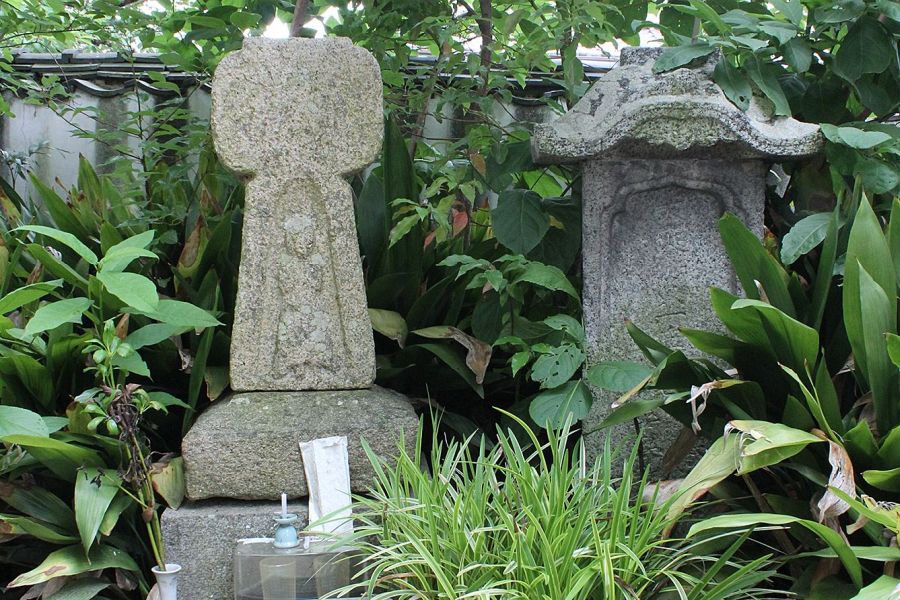
Yet Christianity hadn’t disappeared. In remote villages—especially around Nagasaki, the Shimabara Peninsula, the Gotō Islands, and parts of Amakusa—some believers refused to abandon their faith. Instead they concealed it. These communities became known as Kakure Kirishitan, or Hidden Christians. Their survival required extraordinary adaptation.
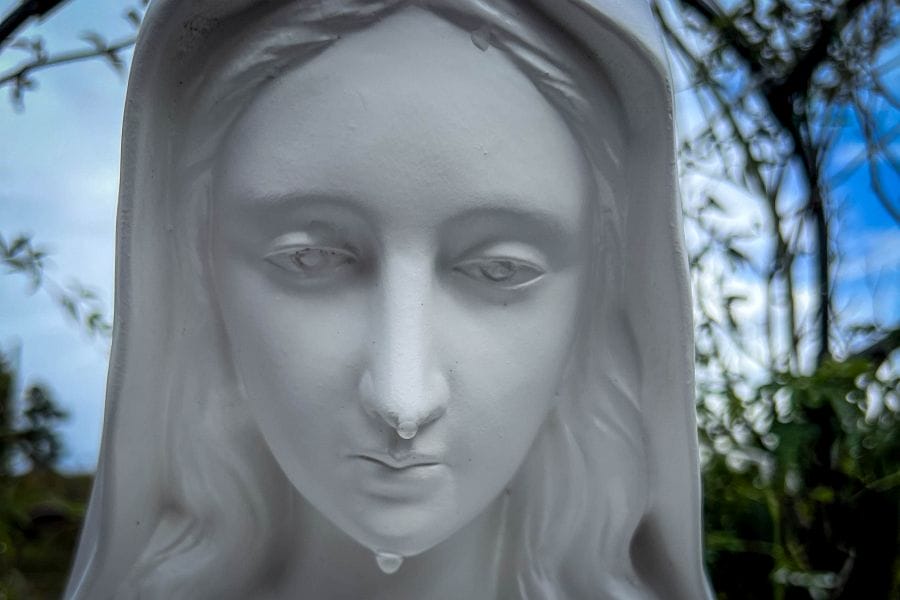
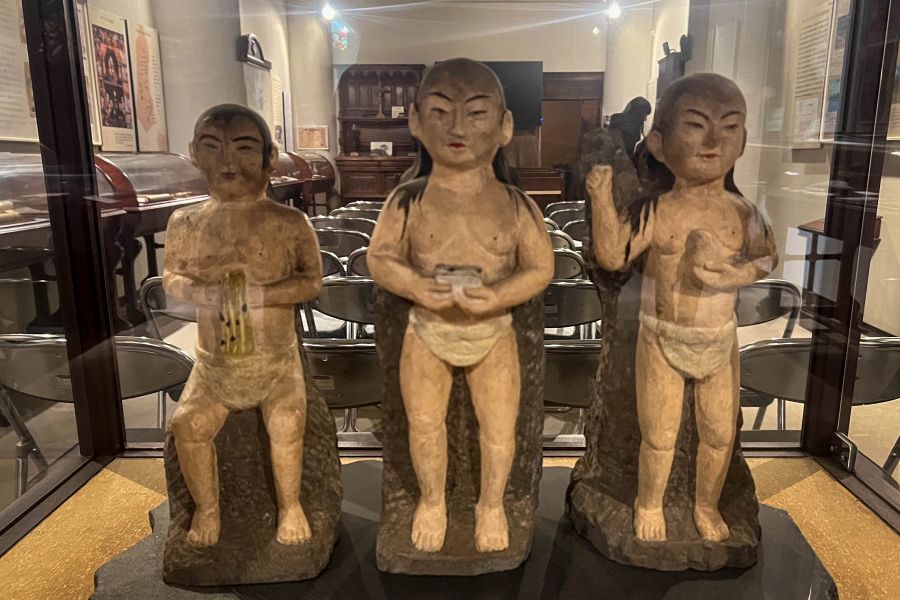
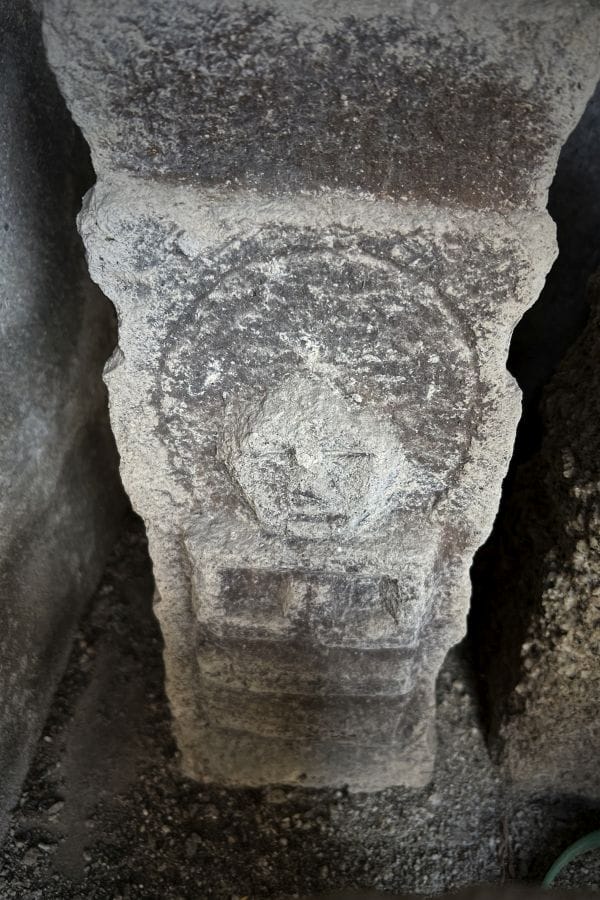
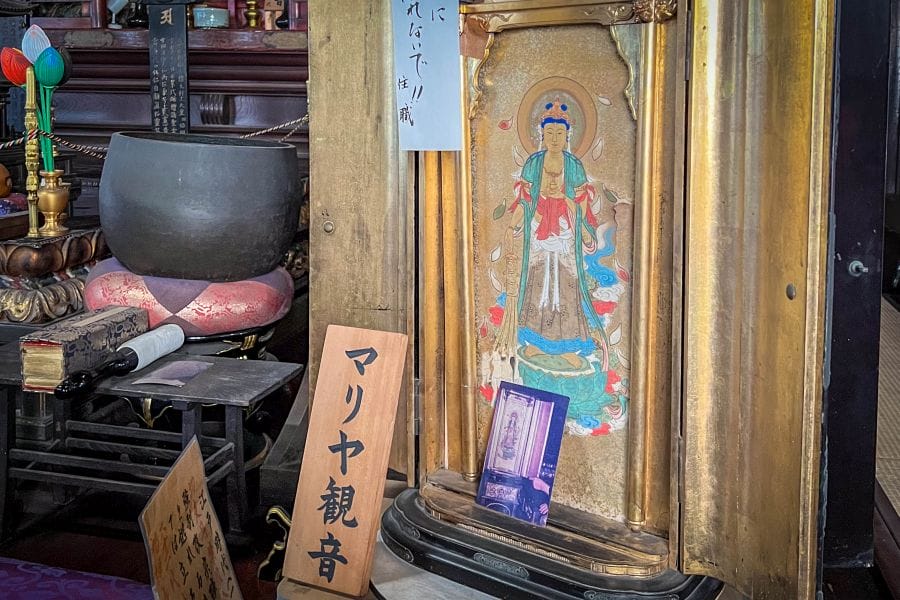
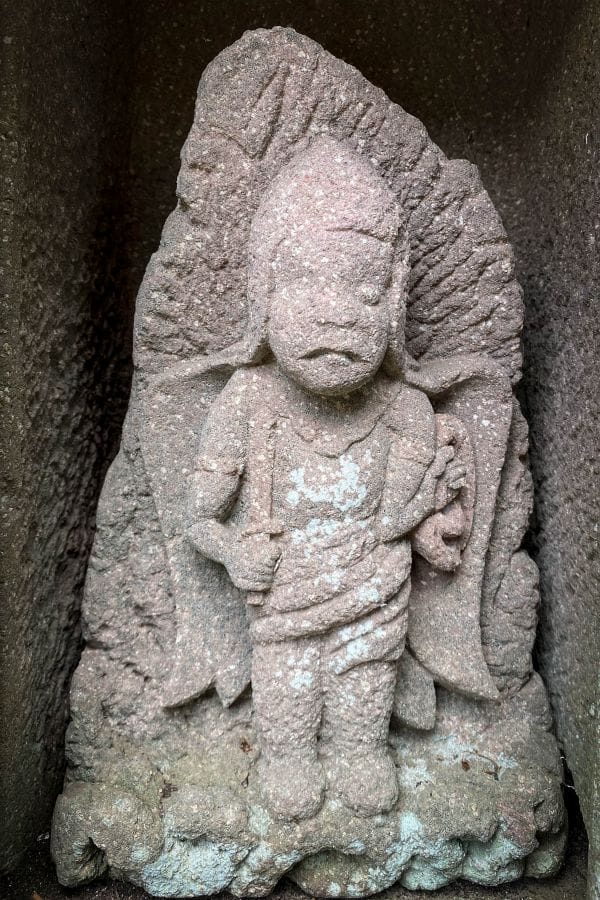
Because missionaries were gone and Bibles were forbidden, Christian teaching was transmitted orally. Prayers derived from Latin liturgy survived in distorted forms called orasho (oratio). Families developed secret roles to maintain the faith: baptism, leadership of prayers, and preservation of sacred objects. Christian symbols were disguised. Statues of the Virgin Mary were carved to resemble the Buddhist bodhisattva Kannon, producing the famous “Maria Kannon”. Externally, believers lived as ordinary Buddhists or Shintō practitioners. Internally, they maintained a hidden religious identity. Kyūshū’s geography helped its communities survive. Remote islands, fishing villages, and mountainous terrain made surveillance more difficult, and strong local traditions allowed faith organisations to persist across generations.
Hidden Christian communities beyond Kyūshū
Kyūshū remained the heartland of hidden Christianity, but the phenomenon was not limited to Nagasaki. Small communities existed elsewhere in western Japan. On his way to see Oda Nobunaga, the missionary Luís Fróis was escorted through the Inland Sea by the Murakami Kaizoku, a leading maritime clan, some of whom converted. Evidence of their continued belief can still be seen in western Honshū and Shikoku. In many of these places, however, crackdowns in the late 17th century eliminated or assimilated them.
Religion without priests
One of the most fascinating aspects of the Hidden Christians is how their beliefs evolved during more than two centuries without clergy or theological guidance. In many ways the religion became something new. Key Catholic concepts survived—baptism, reverence for Mary, and fragments of prayers—but doctrinal structure gradually faded. Ritual authority became hereditary rather than clerical. Elements of Buddhism and folk religion entered the tradition. Ancestor veneration blended with Christian memorial practices, and Buddhist imagery became part of Christian symbolism. Over time, the religion ceased to be strictly Catholic. Instead it became a hybrid tradition rooted in memory and community identity rather than formal theology.
The rediscovery in the nineteenth century
When Japan reopened to the world in the 19th century, European missionaries assumed Christianity had vanished. They were wrong. In 1865, villagers from Urakami near Nagasaki quietly approached a newly arrived French priest and revealed that they had preserved the faith in secret for centuries. Thousands soon emerged from hiding. This event, sometimes called the “Discovery of the Hidden Christians”, astonished the Catholic world.
However, persecution didn’t end immediately. In the late Tokugawa period, authorities again arrested and exiled many believers in the final major crackdown known as the Urakami persecution. Only in 1873 did the Meiji government finally lift the ban on Christianity after pressure from Western powers. At that point the Hidden Christians faced a new choice.
Three paths after legalisation
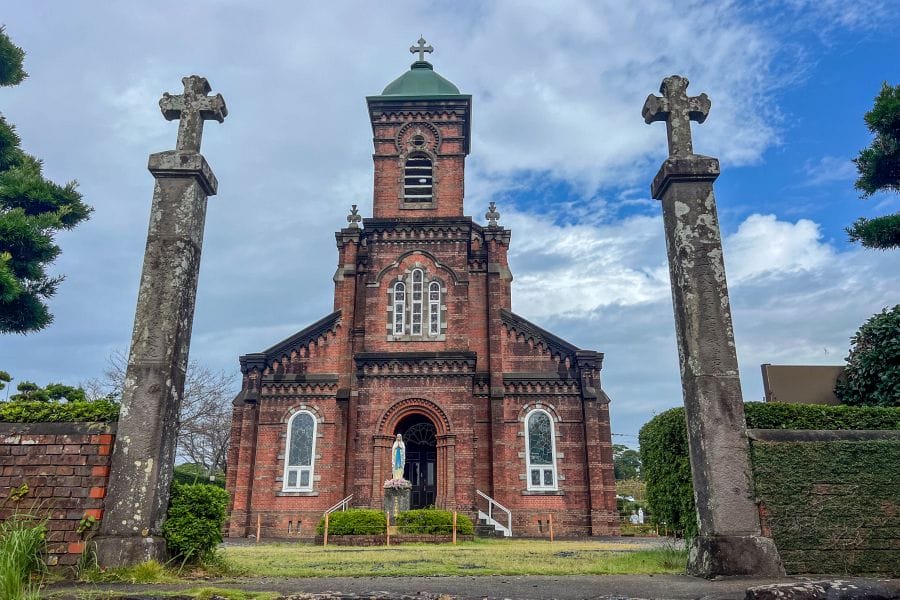
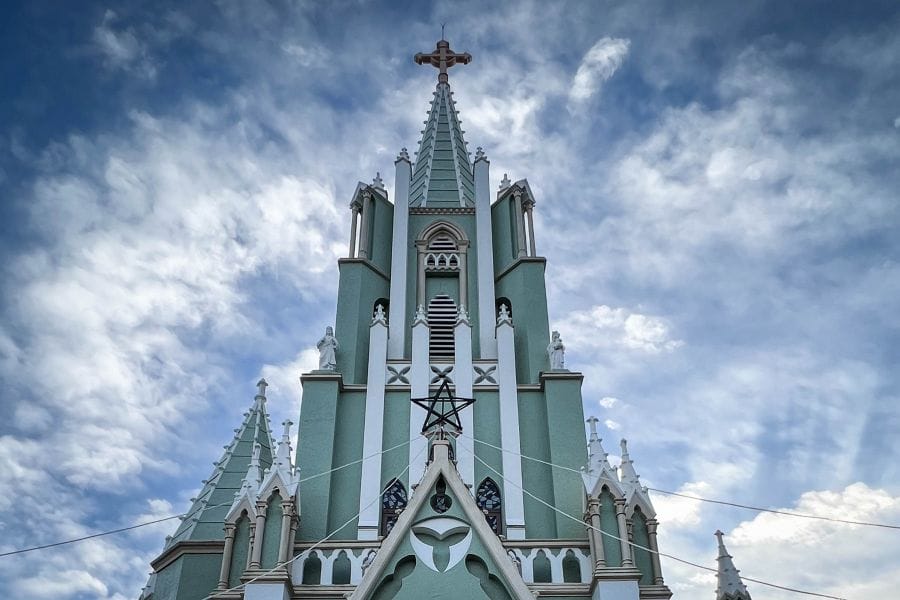
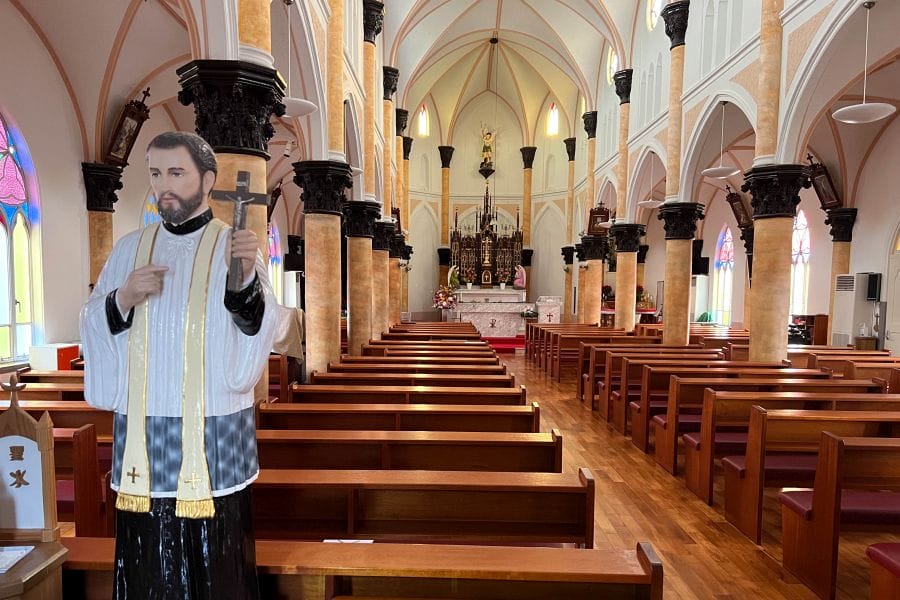
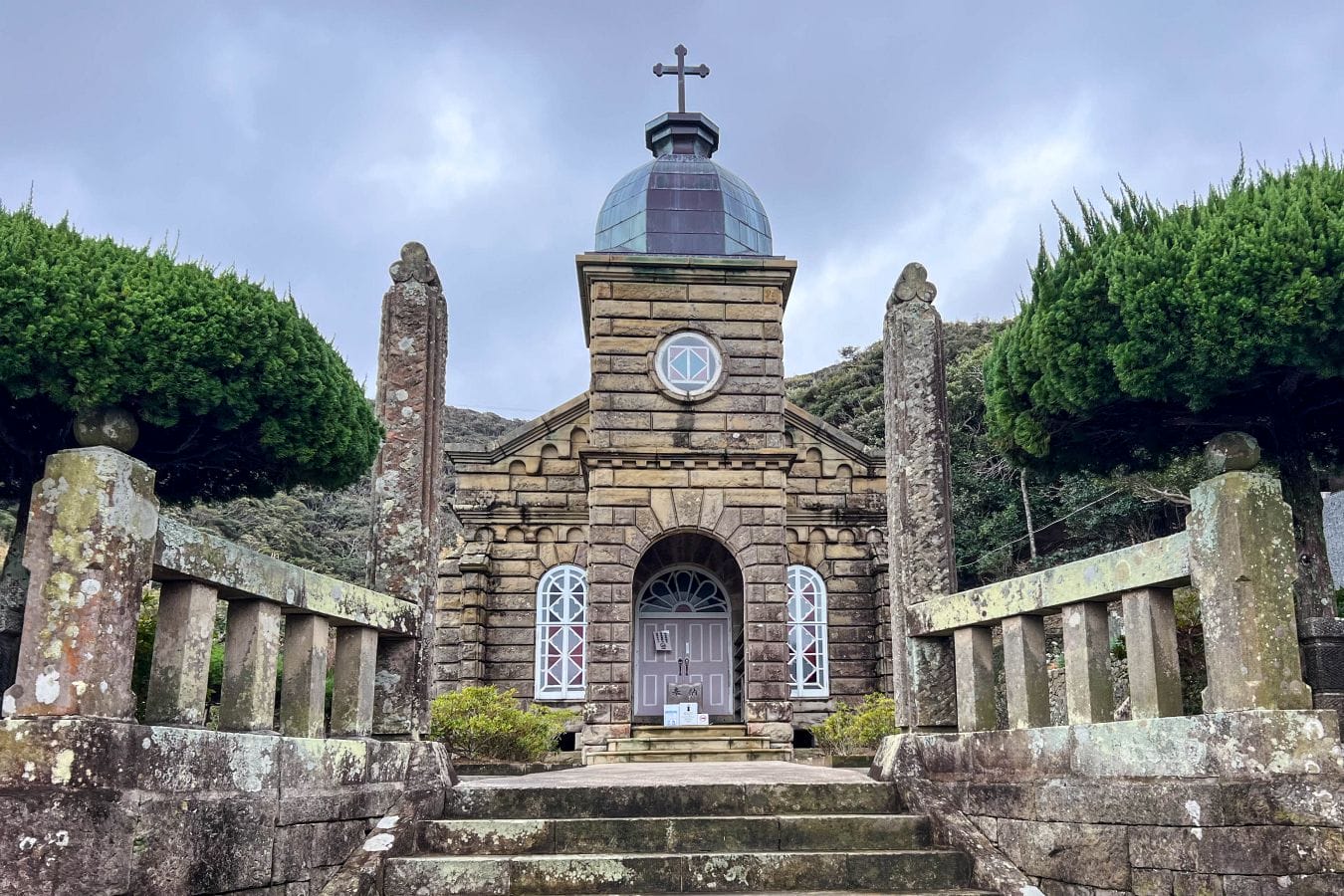
Once Christianity became legal, Hidden Christian communities divided into three groups. Some assimilated, abandoning Christianity entirely and returning to Buddhism or Shintō. Many returned to orthodox Catholicism and built new churches in their villages. Others became separate Christians (Hanare Kirishitan), continuing to practise the unique traditions developed during the centuries of secrecy. The split revealed how much the hidden faith had evolved. For some believers, the religion preserved by their ancestors felt more authentic than the official Catholicism reintroduced by foreign priests.
The Hidden Christians today
Today the legacy of the Hidden Christians survives mostly in Nagasaki Prefecture and nearby islands. A small number of communities still practise traditional Kakure Kirishitan rituals, though their numbers are extremely small and ageing. Their ceremonies include chanting orasho prayers derived from Latin and venerating hidden icons such as Maria Kannon. These practices preserve a direct link to 16th-century missionary Christianity, filtered through centuries of Japanese adaptation. However, the tradition is fading rapidly. Younger generations have largely moved to cities or joined mainstream Catholic churches, and many communities have recorded no baptisms for decades. The result is that Kakure Kirishitan culture may disappear within a generation.
Another Persecution
A later change of government at the start of the Meiji period resulted in another wave of religious repression, this time the persecution of Buddhism. During this brief spasm, Buddhist temples and organisations paid the price for their surveillance role as the public took violent revenge.