Hirado Castle
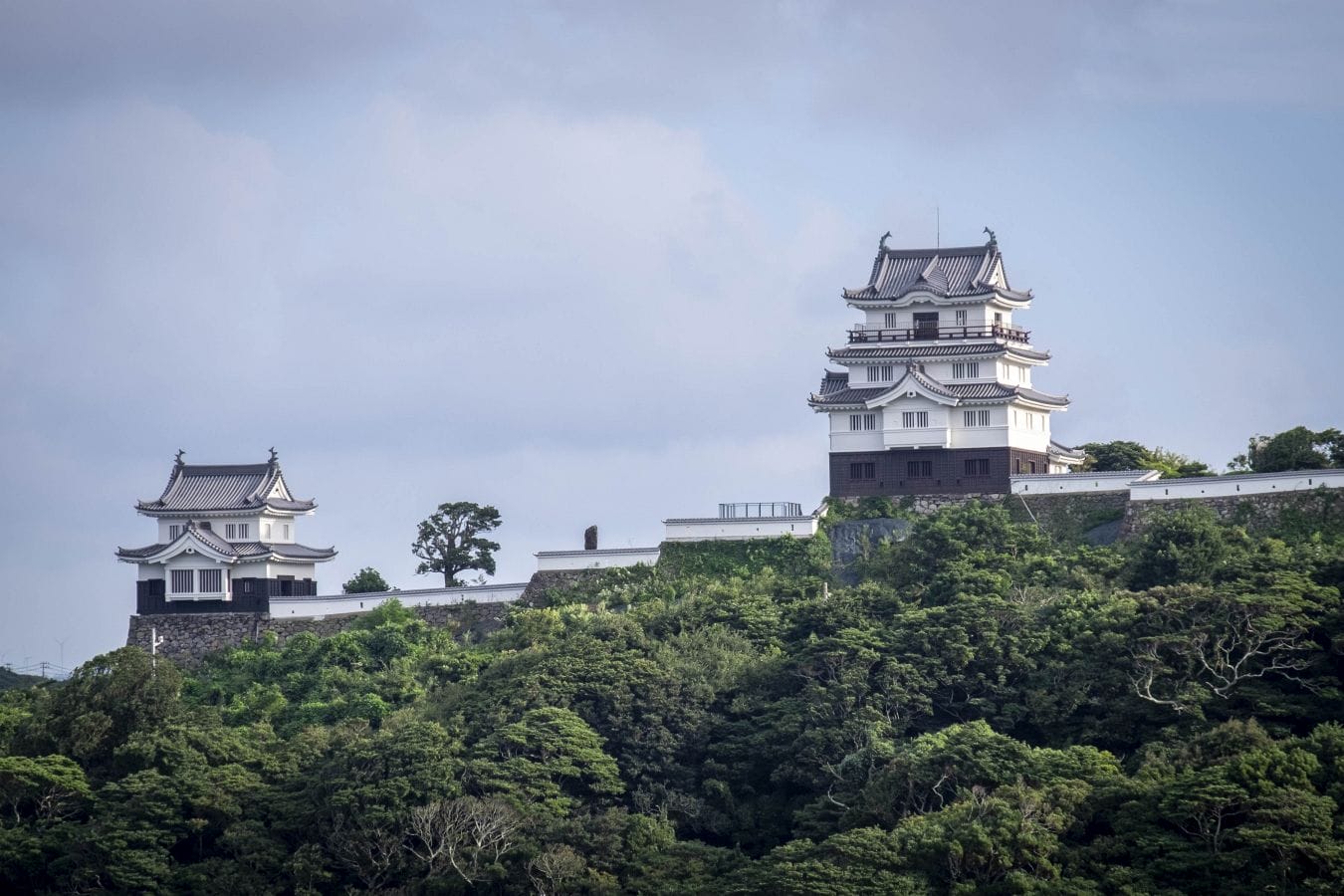
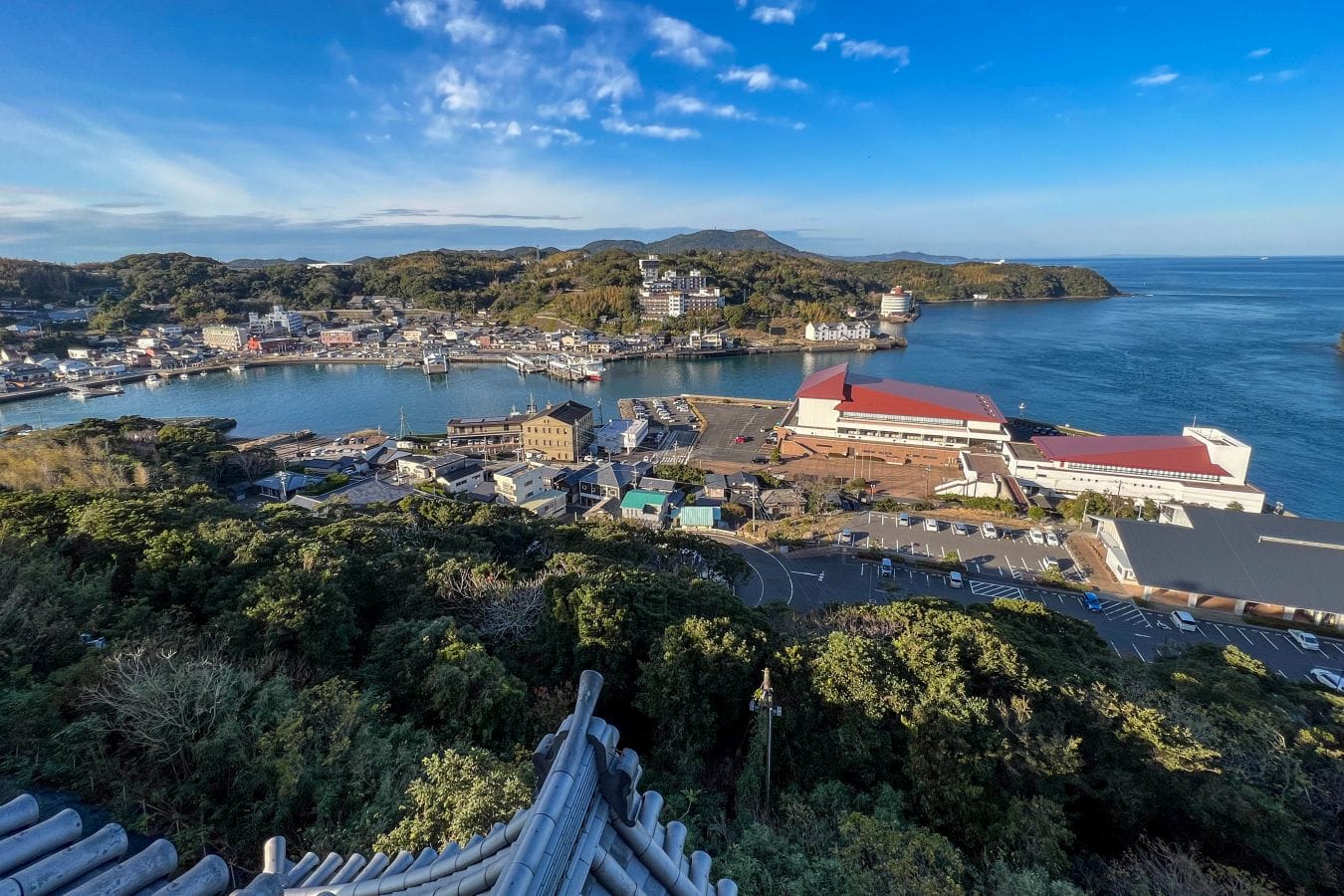
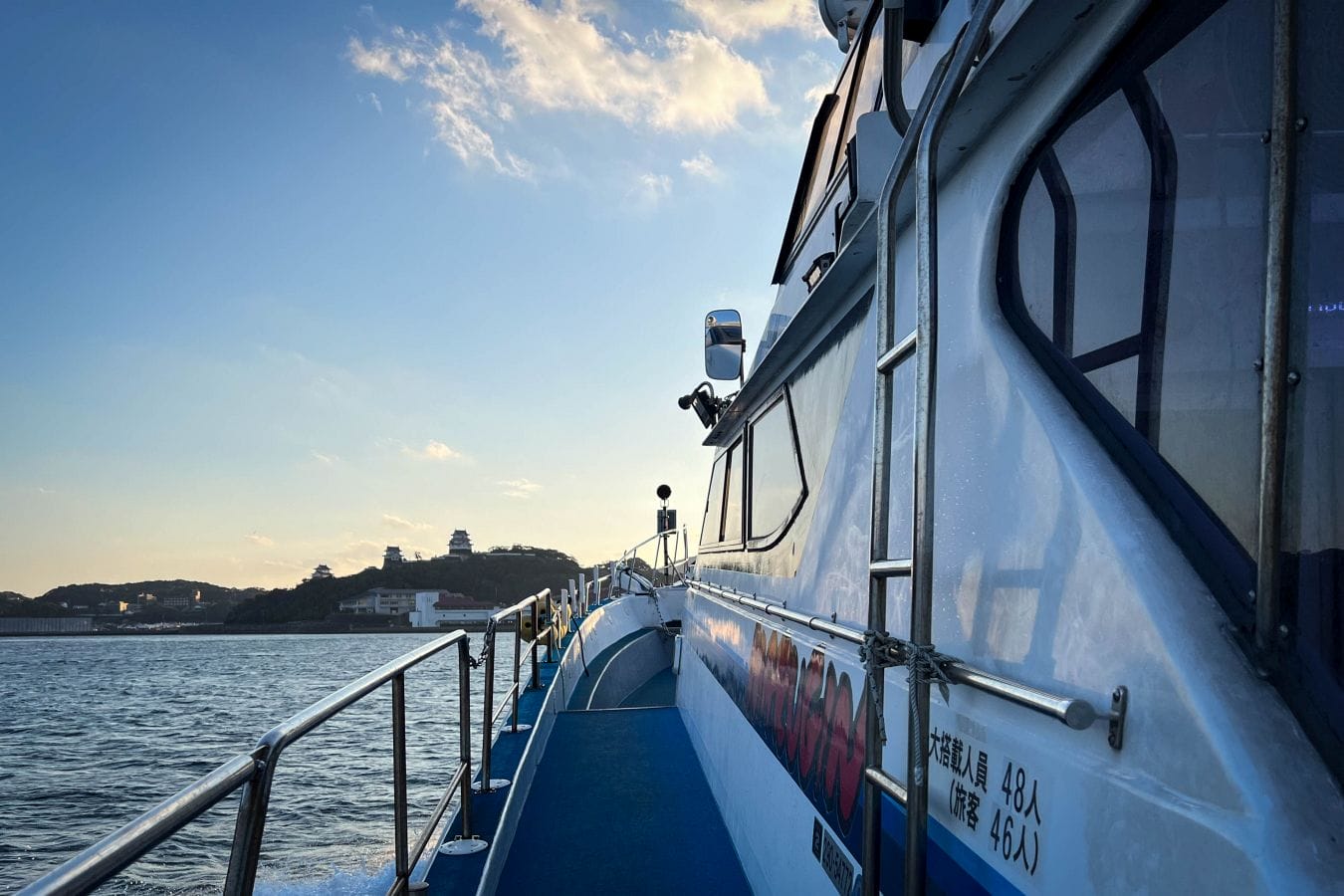
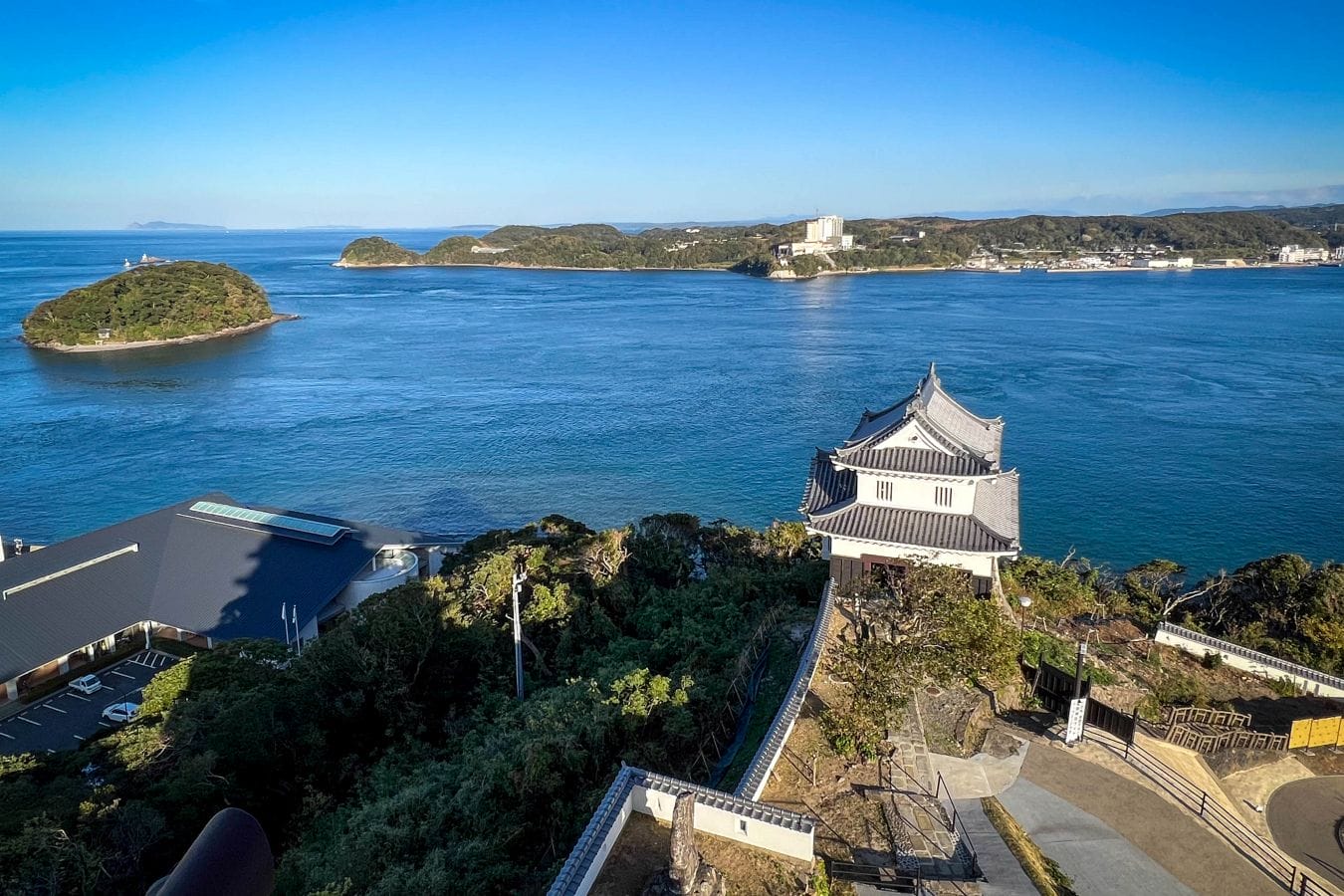
Hirado Castle stands on a headland overlooking Hirado Bay at the northern edge of Nagasaki Prefecture. The site commands views across the strait separating Hirado Island from Kyushu and occupies a position that was once one of Japan’s most important centres of overseas trade.
From the late 16th century, Hirado developed into a major port for foreign merchants, particularly the Portuguese, Spanish, English and Dutch. The Hirado domain was ruled by the Matsuura clan, who used their control of the harbour to build wealth through international commerce. For a time, the English East India Company maintained a trading factory here, and the Dutch operated from Hirado before being forced to move to Dejima in Nagasaki city in 1641.
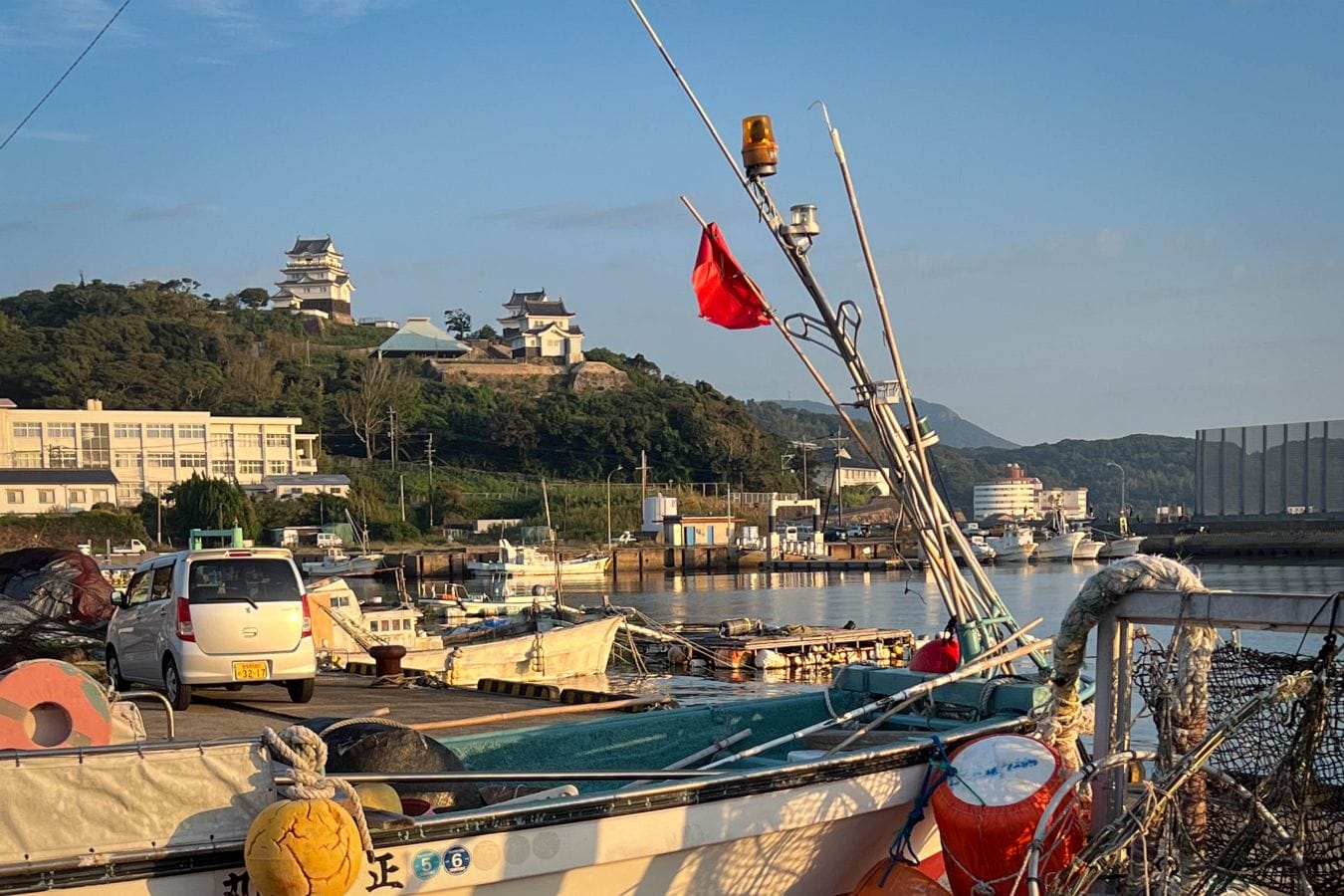
The original Hirado Castle was built in 1599, but it was dismantled in 1613 on the orders of the Tokugawa shogunate, which sought to curb the power of regional lords with strong foreign connections. After Japan entered its period of national seclusion, the Matsuura clan was eventually permitted to rebuild a castle on a different site, and the current Hirado Castle was completed in 1707. It remained the seat of the domain until the abolition of the feudal system in the Meiji period.
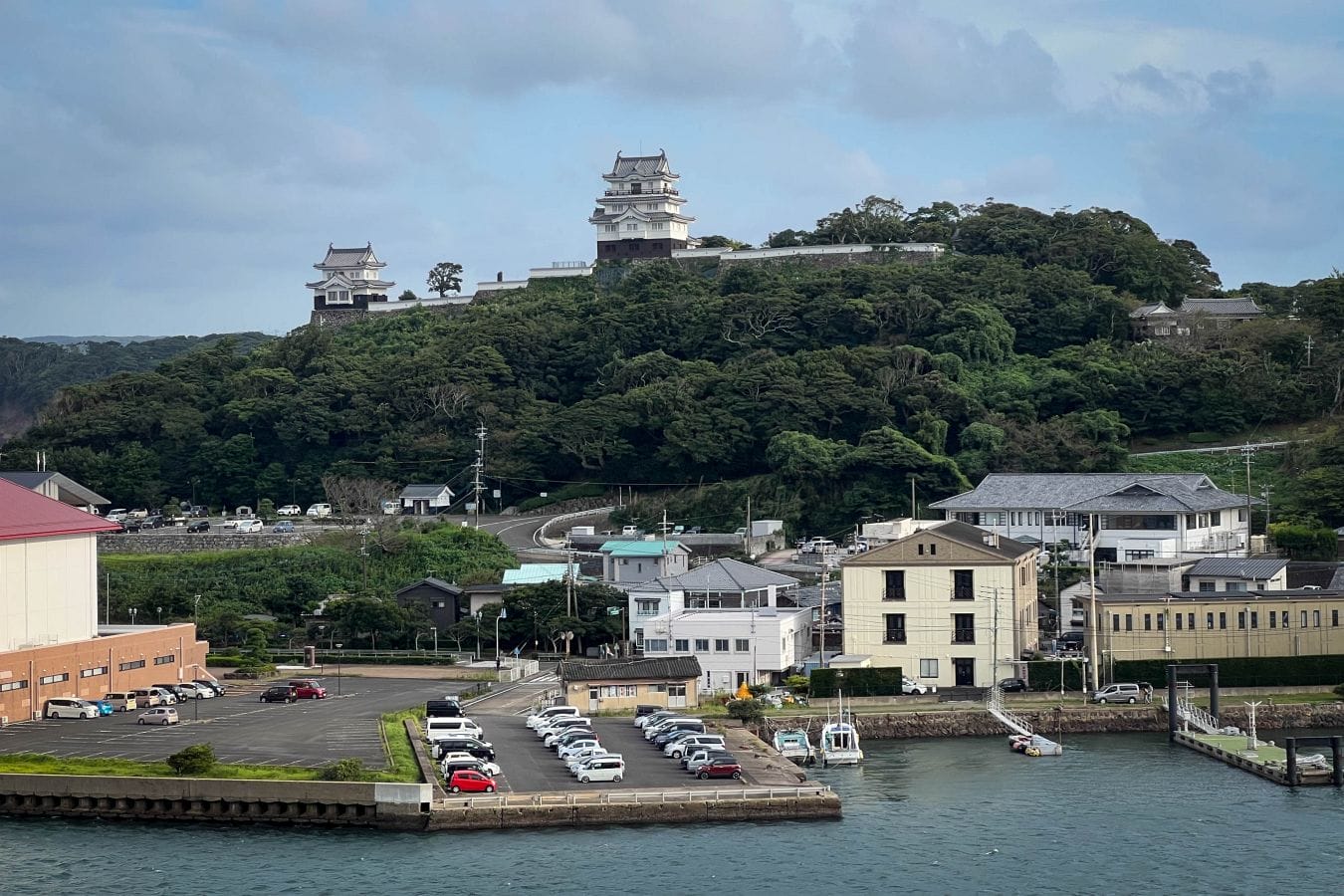
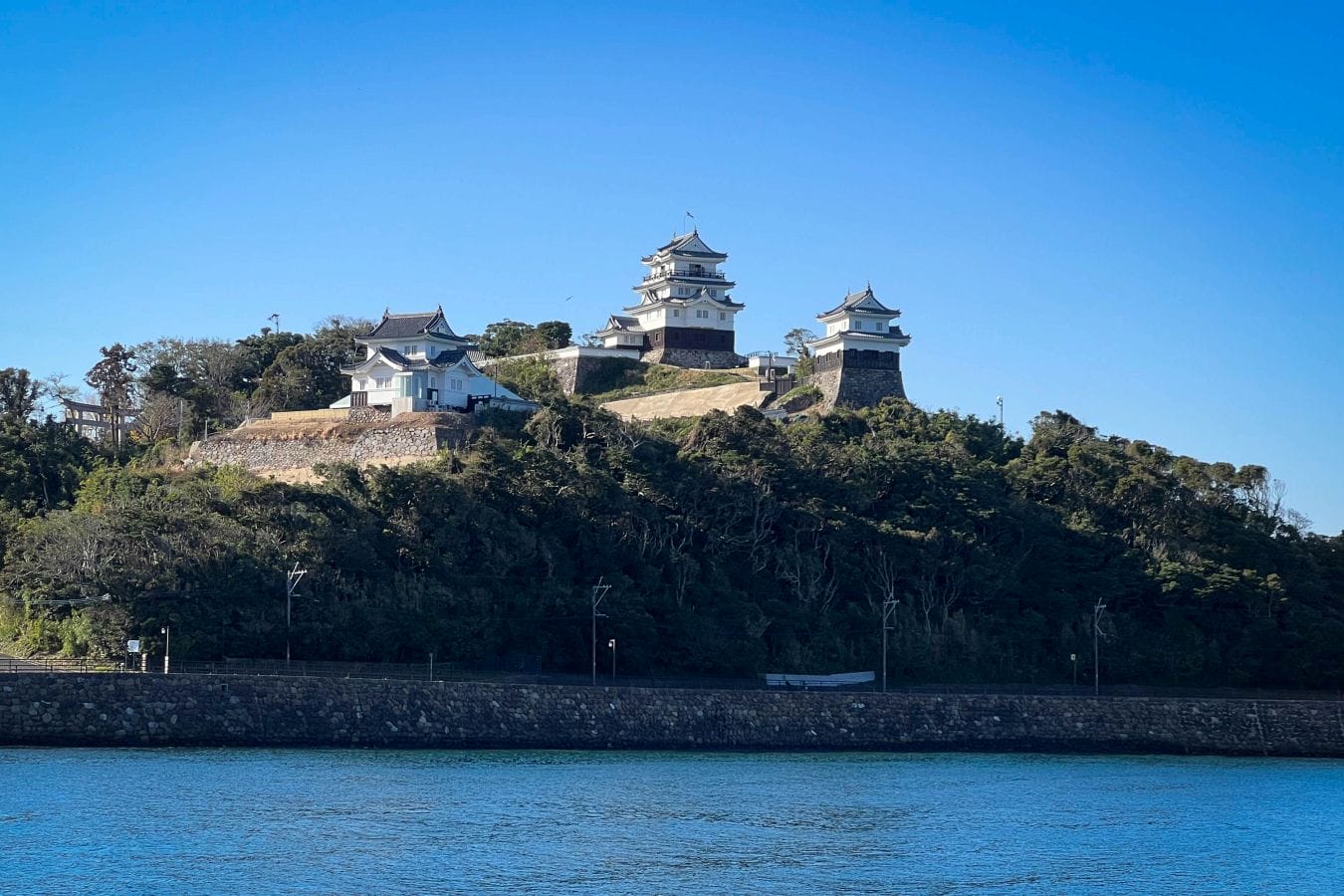
The present castle is a reconstruction, as most of the original buildings were dismantled in the late 19th century. The modern keep and turrets were rebuilt in the 1960s in traditional style using reinforced concrete, while the stone walls and layout follow the Edo-period design.
The castle stands within an elevated park planted with trees and criss-crossed by paths leading to viewpoints and former defensive positions. The grounds preserve the outlines of gates, moats and baileys that once protected the Matsuura lords.
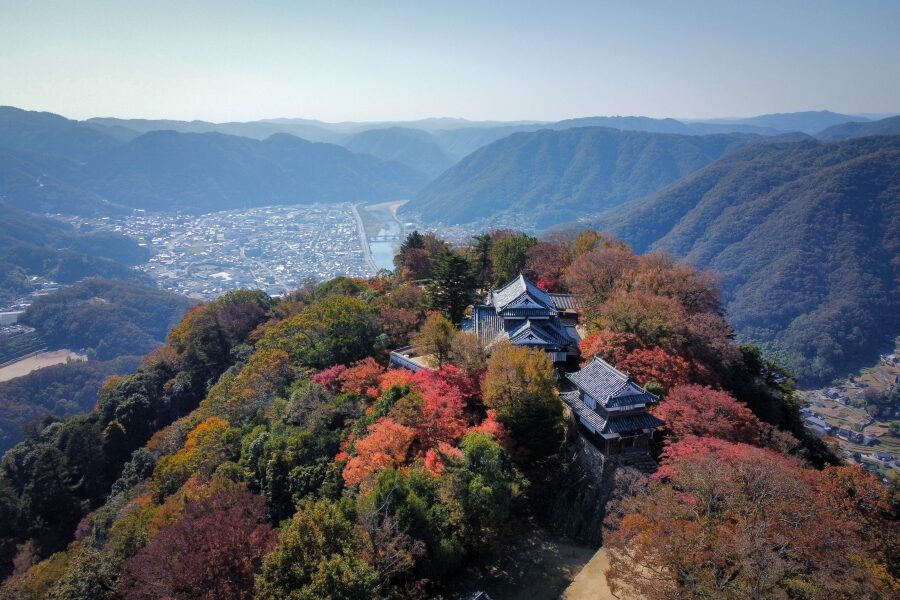
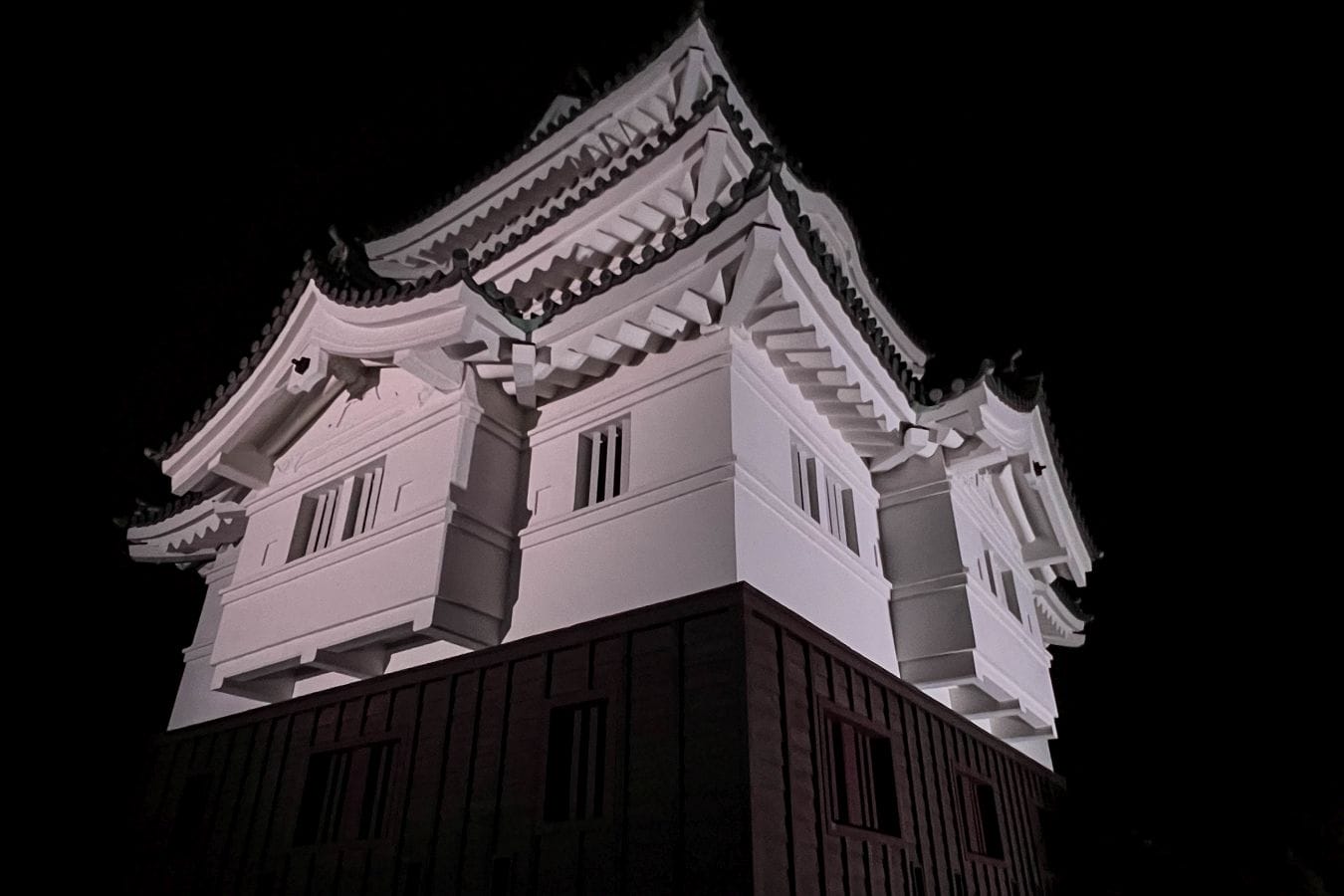
Hirado Castle is particularly noted for its panoramic views. From the keep and surrounding terraces, there are clear vistas across Hirado Bay, the Hirado Bridge linking the island to Kyūshū, and the rugged coastline of the surrounding region. These views illustrate why the site was so strategically valuable as a lookout over shipping lanes and foreign vessels approaching the port. Below the castle across the harbour is the Dutch Trading House and on the hill to the left is the St. Francis Xavier Church. The castle and other attractions are illuminated at night, and the castle grounds offer fine views after dark too.
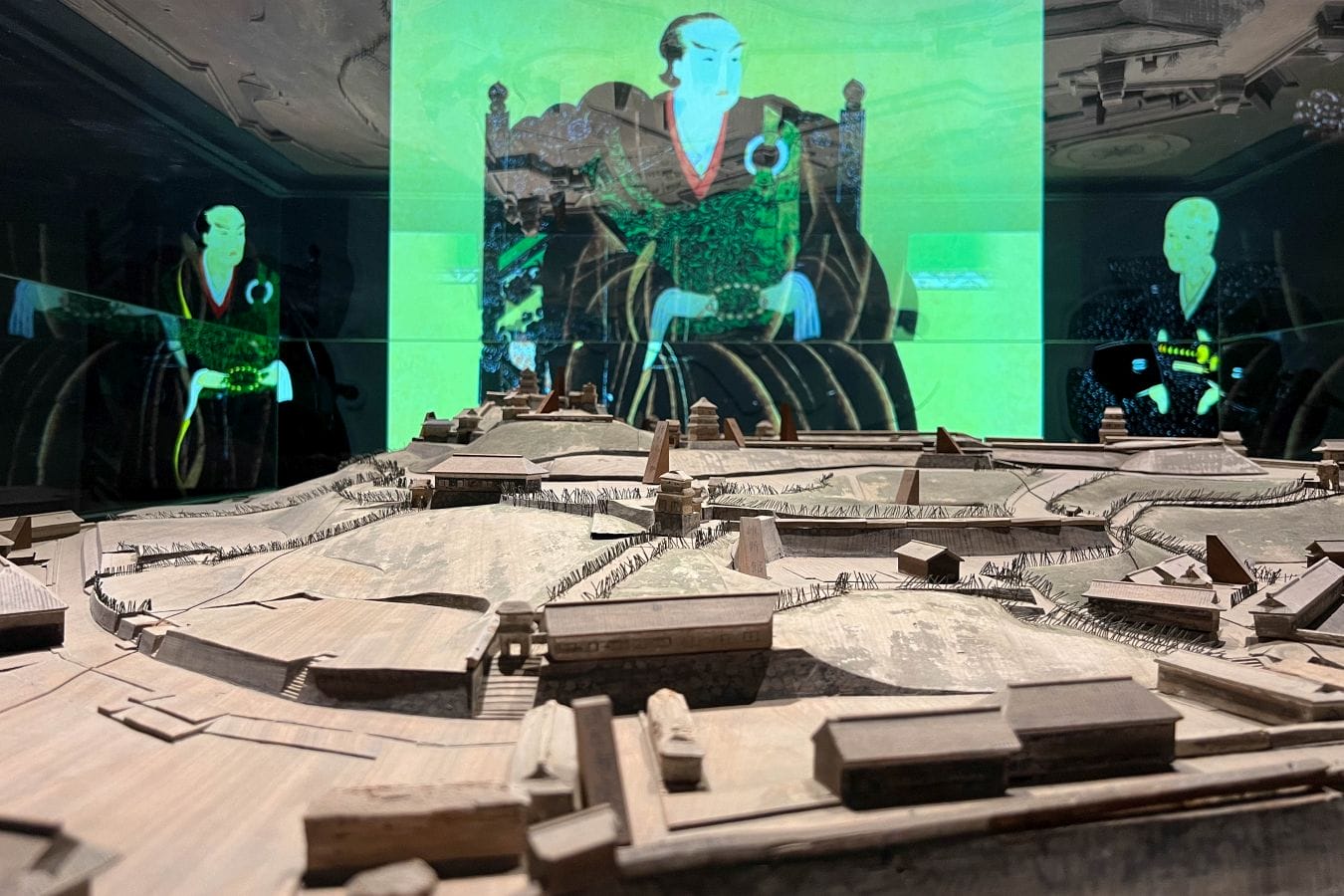
The interior of the castle keep functions as a museum devoted to the history of Hirado and the Matsuura clan. Exhibits include armour, weapons, documents and displays on Hirado’s role in early modern international trade. Models and maps explain how the town developed as a port open to European and Asian merchants, and how this role was later restricted under the Tokugawa shogunate.
Hirado Castle is also known for offering overnight accommodation within one of its restored structures. This castle stay allows guests to experience the building after public hours, using rooms adapted from historical interiors. While modern in its facilities, the programme reflects a growing interest in preserving and using historic sites in new ways.
Hirado Castle encapsulates the city’s history as a gateway between Japan and the wider world. Its commanding position, reconstructed buildings and museum displays together convey how a small island domain became a key player in early global trade before being drawn back into the controlled order of Edo-period Japan.
Information
Name in Japanese: 平戸城
Pronunciation: hirado-joh
Address: 1458 Iwanoue-chō, Hirado, Nagasaki 859-5121