Taiji
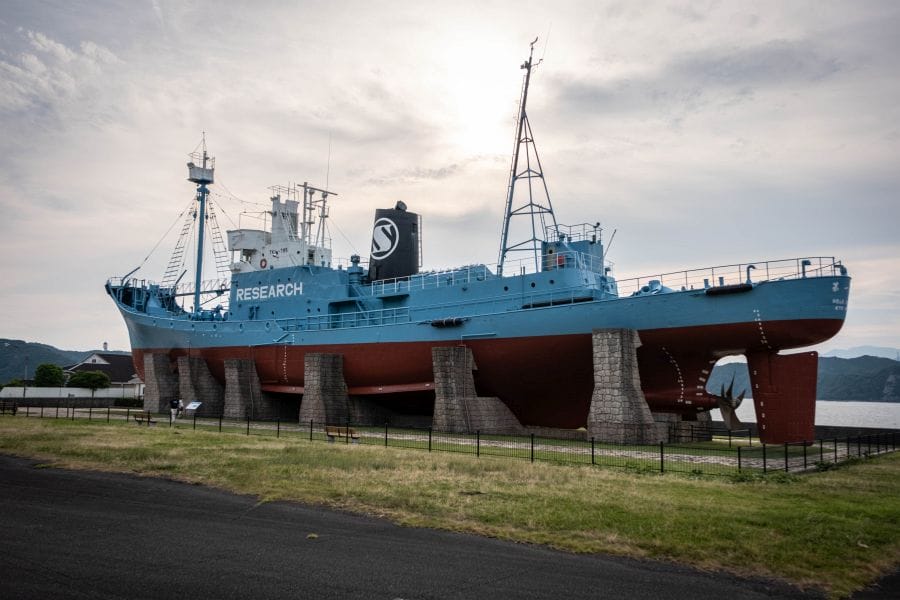
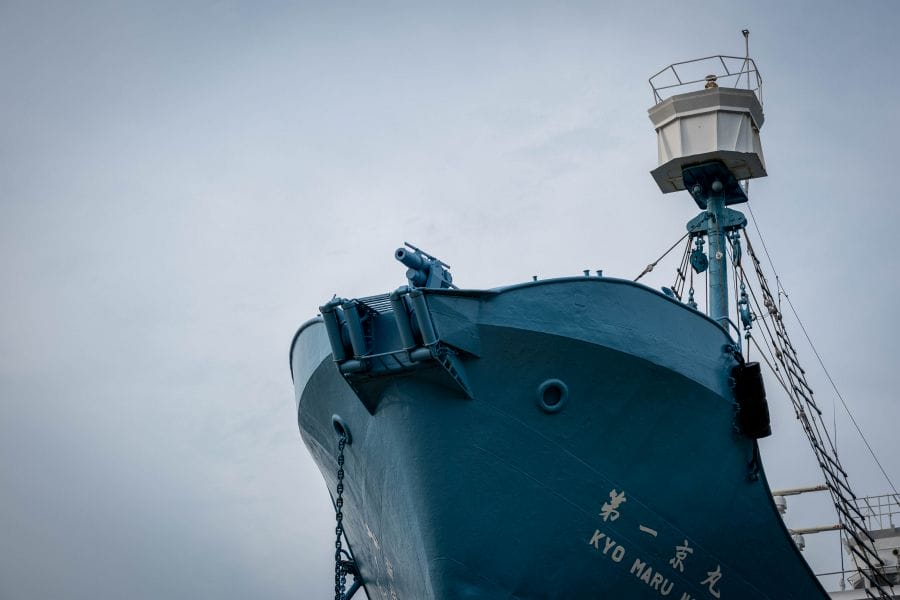
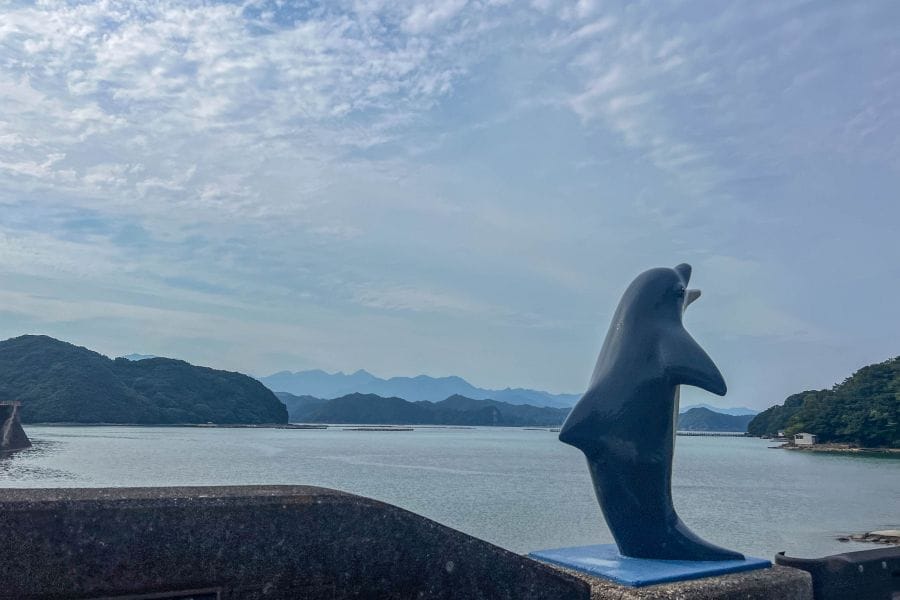
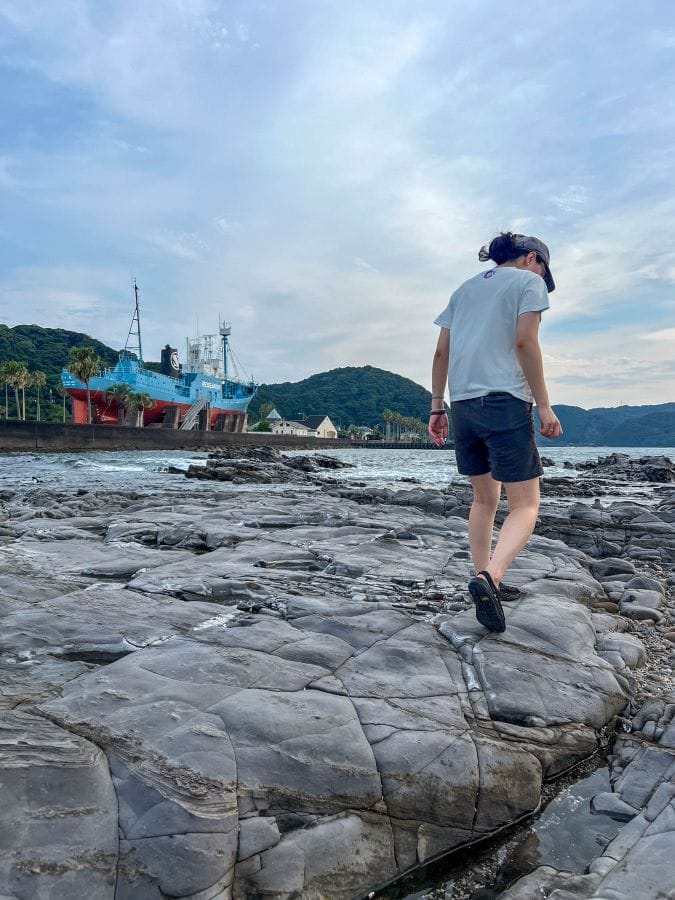
Taiji is a coastal whaling and fishing town built across a narrow, jagged peninsula where forested mountains drop into the deep water of the Kumano Sea. The town is arranged around two bays of striking beauty. The road into town is lined with palm trees framing a tall blue whaling ship brought to land as a monument.
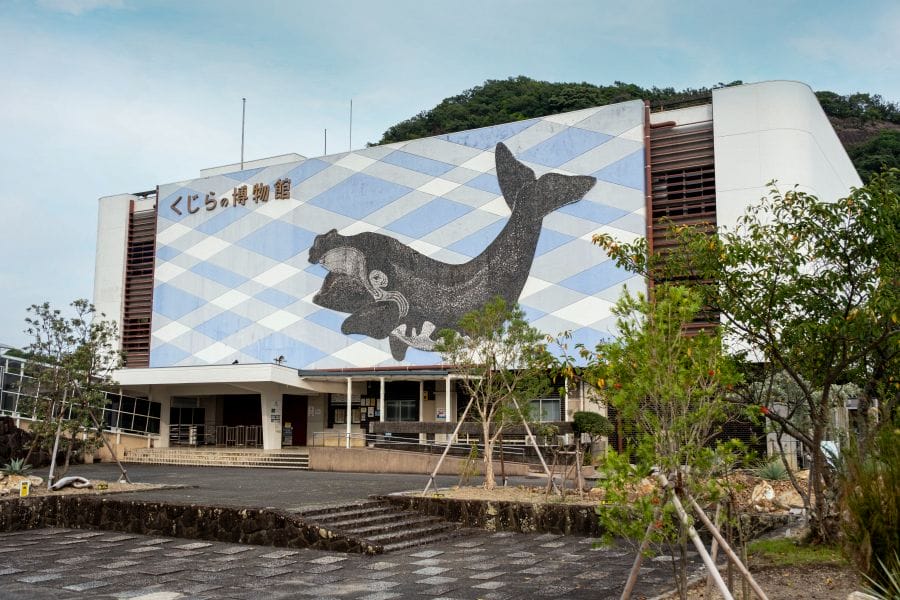
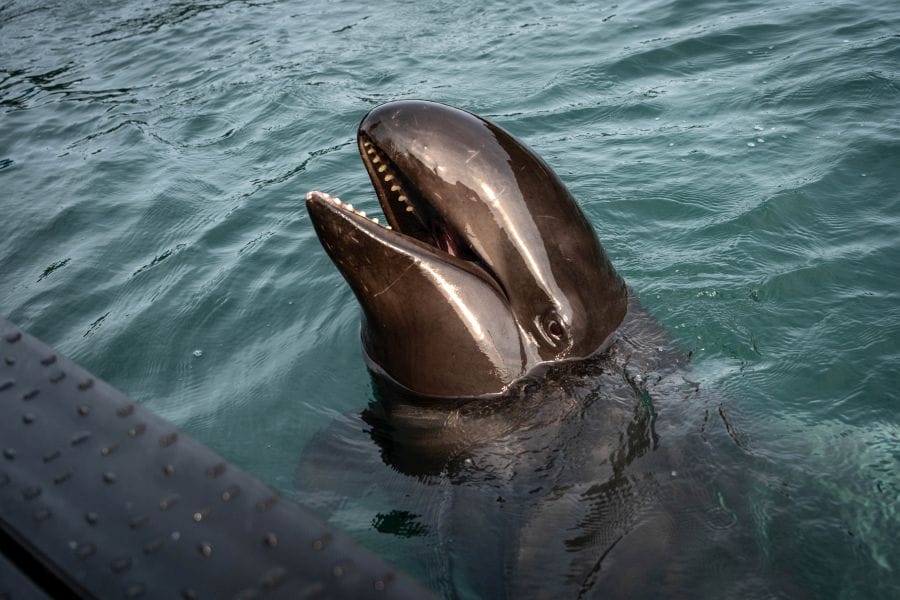
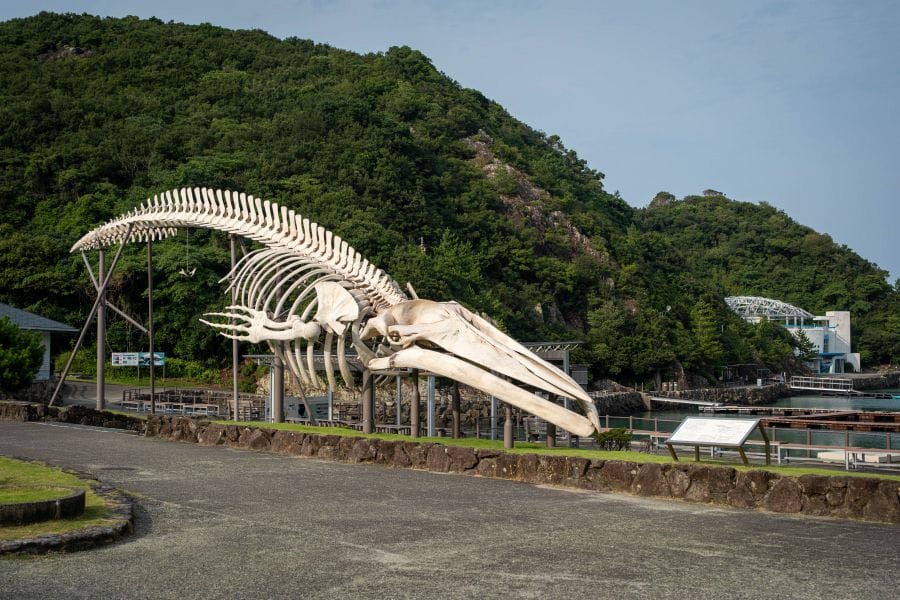
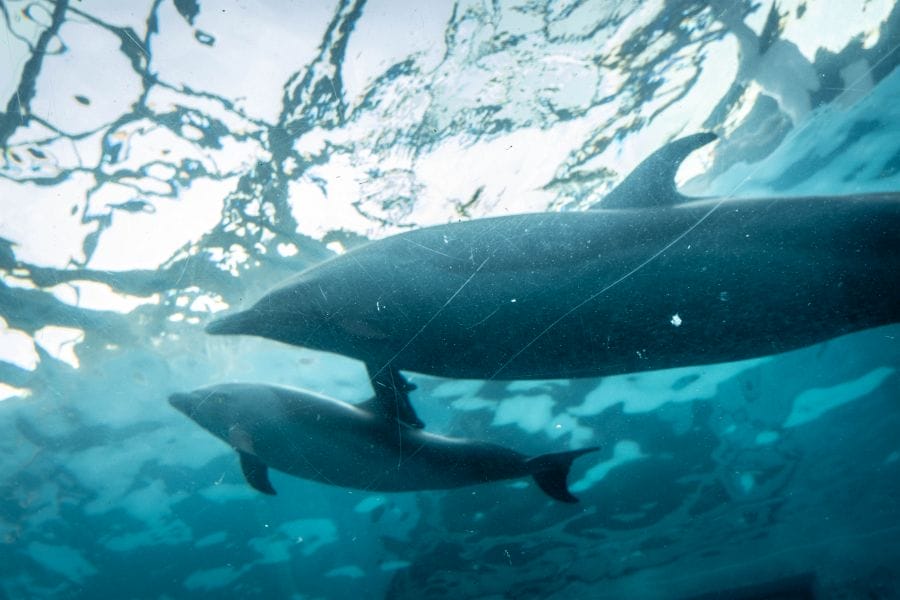
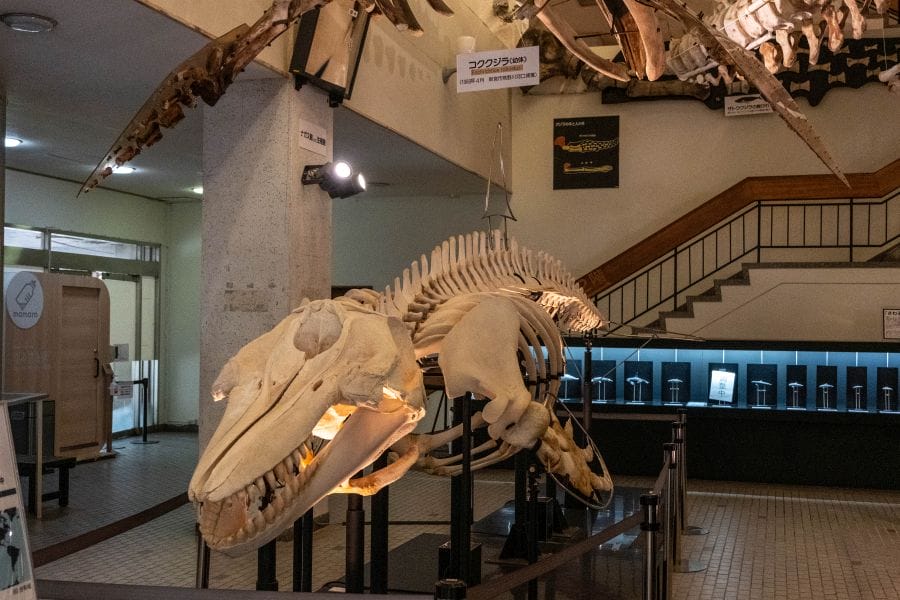
Taiji is positioned where warm ocean currents draw migrating cetaceans close to the shoreline. On the waterfront, a dedicated museum houses full-scale articulated skeletons of a blue whale and a right whale, surrounded by historic harpoons, whaling tools, and hand-carved dioramas. An adjacent natural cove functions as an open-water sea pen where pilot whales and dolphins swim during training sessions. You’re free to walk around the pens and you can buy little buckets of fish for feeding the animals.
Whale-shaped excursion boats depart from the harbour park, carrying you around the islets of Kinomatsushima. This route weaves through natural sea arches, stack formations, and jagged coastal cliffs that line the bay between the peninsula and the neighbouring port of Katsuura.
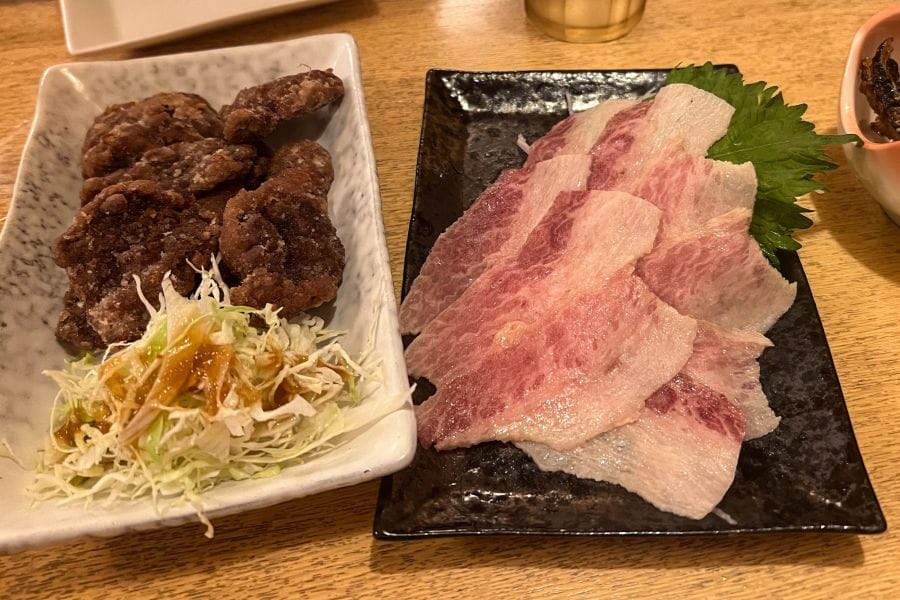
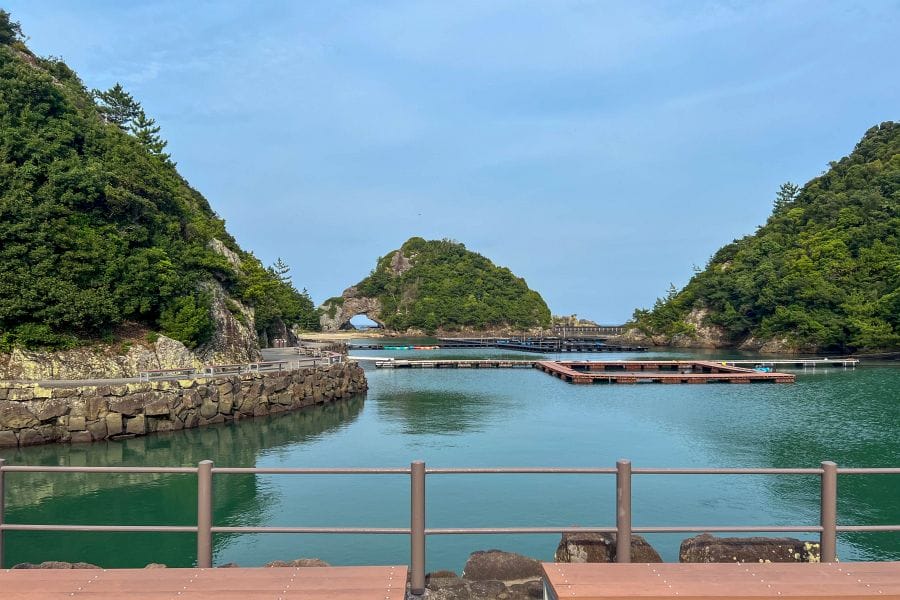
The secluded coves carved into the outer coastline—particularly a steep inlet shielded by headland cliffs—are the site of seasonal dolphin drive hunts. Between September and March, local crews use small motorboats to locate pods offshore and herd them into the enclosed bay. Buyers select specific live individuals for marine parks, after which crews harvest the remaining cetaceans for meat. International attention focused on this inlet following the 2009 documentary “The Cove”.
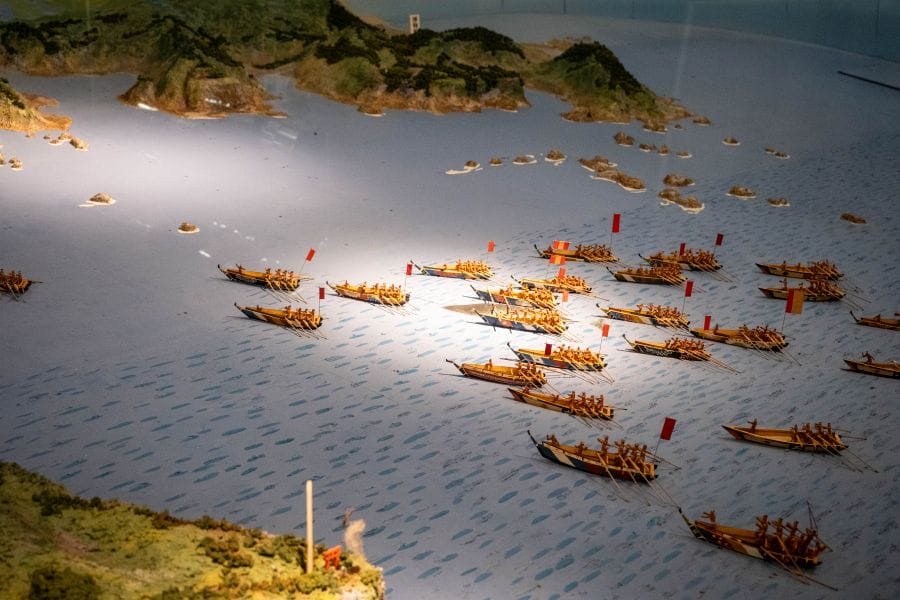
Organised whaling in the area dates to 1606, when Wada Chūbei Yorimoto established a coordinated hunting guild using small wooden boats and hand-flung harpoons. In 1675, Wada Kakuemon refined the trade by introducing net whaling, a technique where crews stretched heavy woven hemp nets across sea channels to entangle right whales before dispatching them. High on the headland, watchmen at the Tōmyōdō lookout post burnt smoke signals by day and bonfires by night to alert harpoon crews in the bay when cetaceans passed the coast. Crews rowed brightly painted wooden boats decorated with dragon and tiger motifs, coordinating with net-laying boats to corner entangled animals against the shoreline.
Traditional net whaling ended abruptly in December 1878 during an event known as the Ōsememi disaster. A fleet of over 100 whalers rowed into a severe winter gale to capture a right whale mother and her calf, but offshore currents destroyed the craft, resulting in the drowning of 111 men. The loss devastated the community’s workforce, forcing the town to abandon hand methods and eventually adopt modern steel steamships with explosive harpoon cannons at the end of the nineteenth century. Today, stone monuments and Buddhist gravestones dedicated to lost whalers and harvested marine life stand on the coastal hillsides overlooking the ocean.
Taiji is an attractive place to stay on the coast at the end of the Kumano Kodō. The beautiful open coastal region contrasts with the mountainous interior of Wakayama.
Information
Name in Japanese: 太地
Pronunciation: tai-jee
Address: Taiji-chō, Higashimuro District, Wakayama