Kuchinotsu
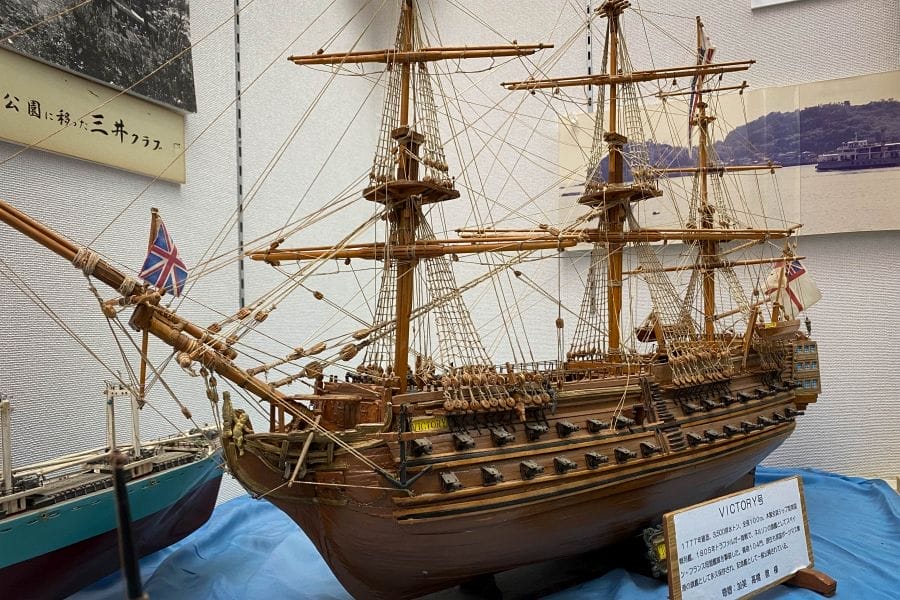
A historic port town at the southern tip of the Shimabara Peninsula, today Kuchinotsu is a quiet coastal community centred around maritime heritage and marine excursions. Sheltered by the Hayasaki Strait, the deep natural harbour provides a base for year-round dolphin-watching boats that navigate the fast-moving tidal currents just outside the bay. Within the town, the contemporary ferry terminal building houses the Kuchinotsu History and Folklore Museum, which displays centuries of seafaring artifacts. Just across the harbour entrance stands the museum’s annex, a Western-style former customs house built in 1899, which sits near the white cylindrical Kuchinotsu Lighthouse erected in 1880 to guide vessels entering the Ariake Sea.
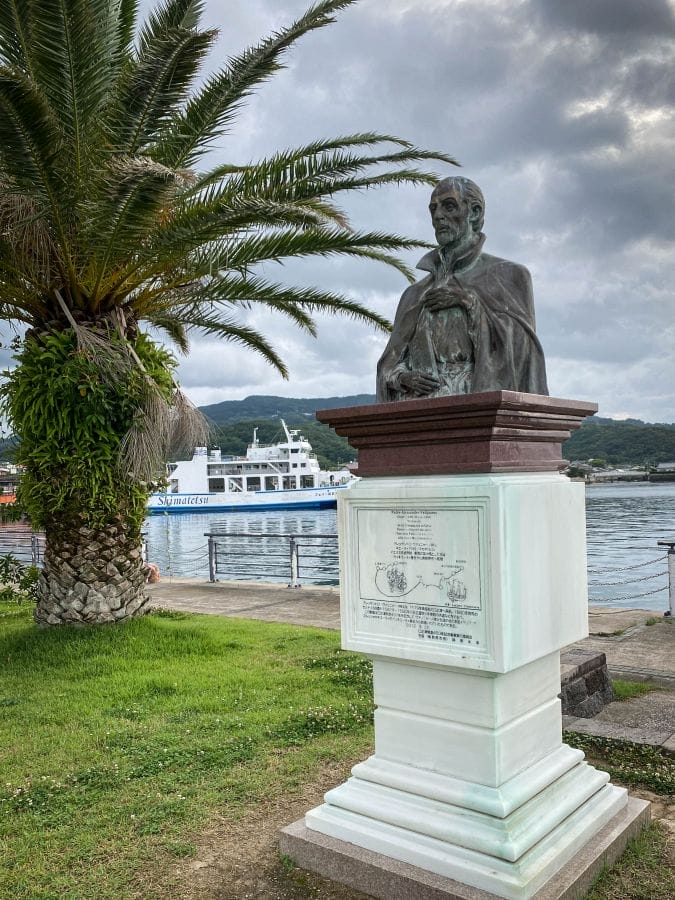
The area developed rapidly after 1562, when the regional ruler Arima Yoshinao officially opened the port to foreign trade. It quickly became a vital strategic base for Portuguese merchants and Jesuit missionaries, including Alessandro Valignano, who used Kuchinotsu as a staging ground for Christian conversion efforts throughout Kyushu. A bronze of an emaciated Valignano stands in the port, with a children’s climbing frame in the form of a galleon.
This early international era abruptly ended in the seventeenth century when the Tokugawa shōgunate instituted isolationist policies, driving the Christian population underground.
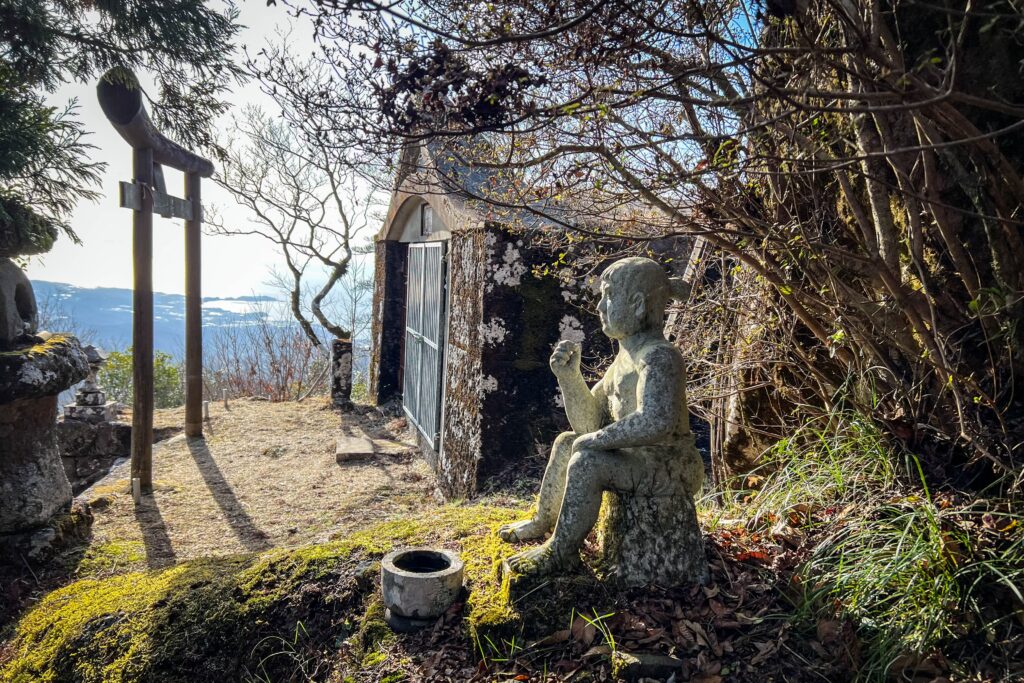
Yakumo Shrine overlooking the harbour was used by the late Edo-period surveyor and cartographer Inō Tadataka who passed through Kuchinotsu in 1812 while mapping the Shimabara Peninsula and the coast around Ariake Bay. Inō completed the first map of Japan using modern surveying techniques.
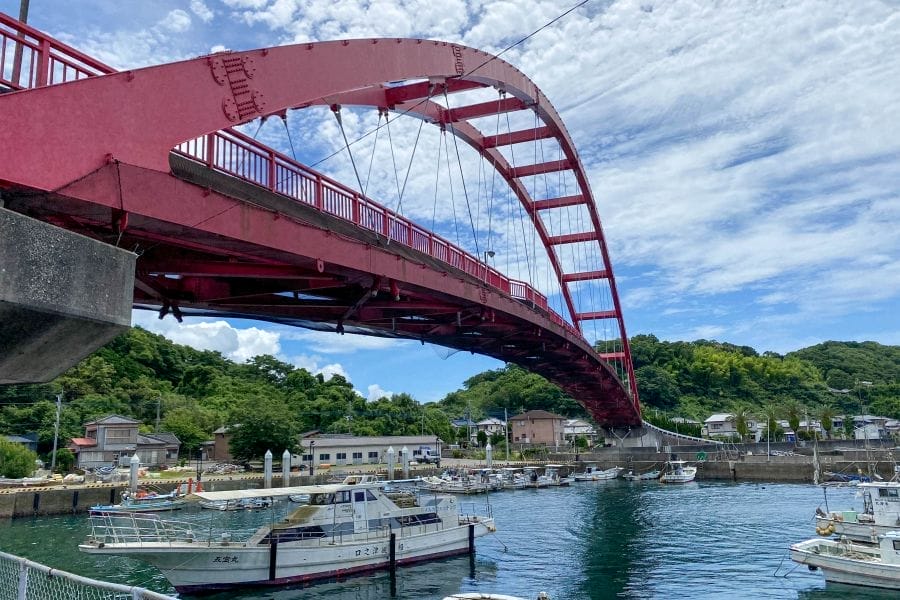
A major economic shift occurred during the Meiji Restoration when the Japanese government selected Kuchinotsu as the primary transit hub for exporting coal from the Miike Mine in neighbouring Fukuoka Prefecture. Because the shallow waters of the Chikugo River prevented large cargo ships from docking directly at the mine, small barges ferried the coal across the Ariake Sea to Kuchinotsu, where labourers transferred the fuel to ocean-going steamers. The massive influx of maritime traffic transformed the town into an industrial centre, prompting the establishment of the Nagasaki Customs Kuchinotsu Branch Office to regulate the global trade flowing through the harbour. To cross the modern inlet and access this historic district today, you use the bright red steel Nanban Bridge.
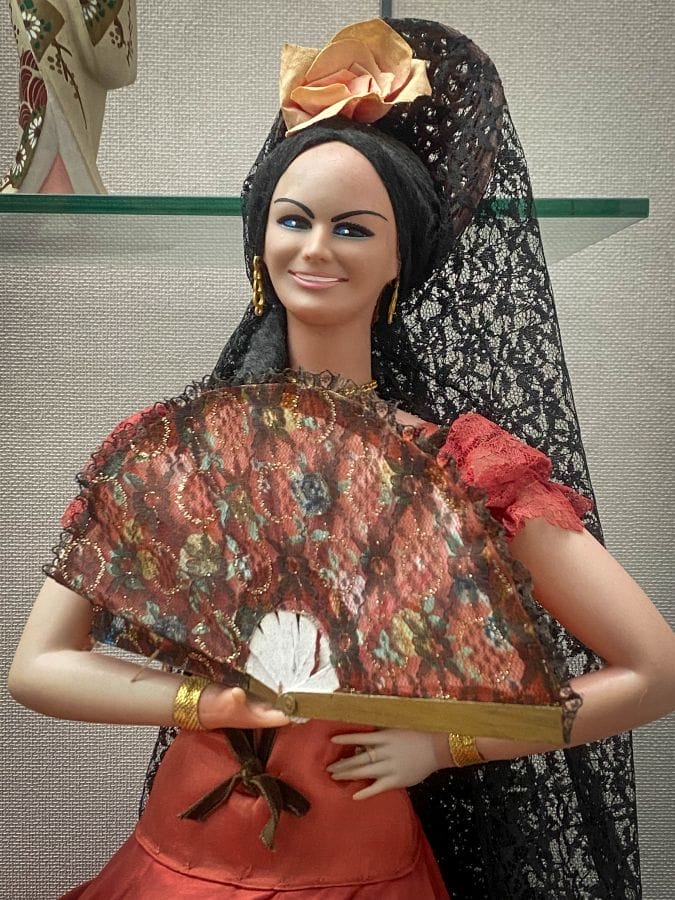
The intense labour demands of the coal trade sparked a lesser-known wave of global migration directly from these docks. Desperate for employment, young local men frequently boarded British and Dutch cargo steamers as hidden crew members. Concurrently, the port became the primary departure point for karayuki-san—impoverished young women from the surrounding peninsula who were smuggled out in the dark, coal-choked holds of transport ships bound for brothels across Southeast Asia. Today, the town’s museum preserves the suitcases, contracts, and letters of these women, ensuring their financial contributions to their struggling rural families aren’t forgotten. The museums also have a mind-boggling collection of the exotic souvenirs brought back by the crews of foreign ships.
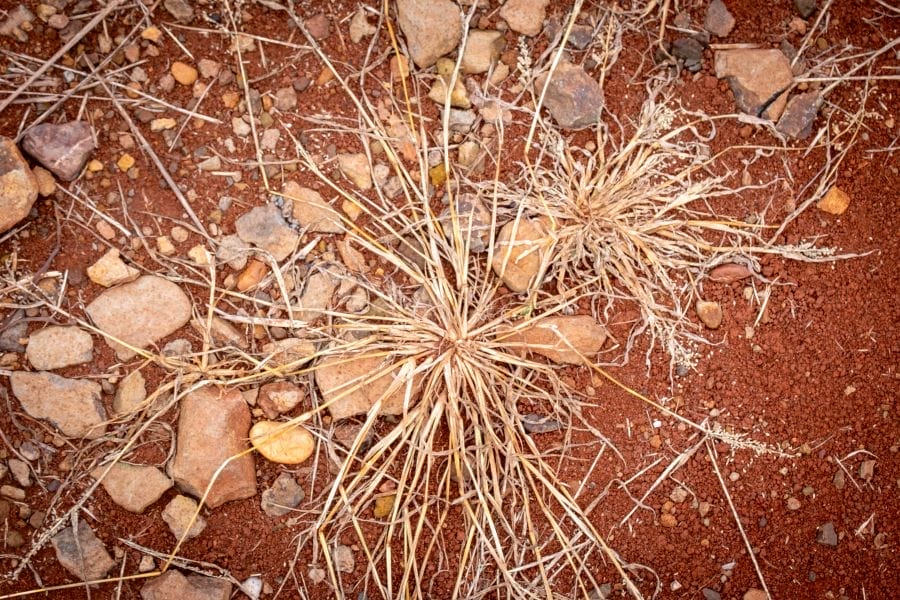
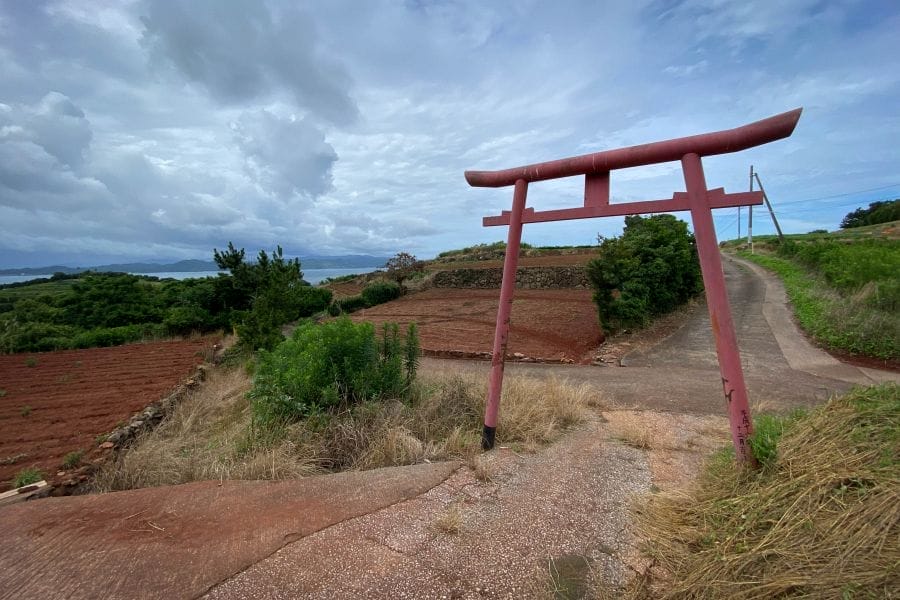
The area around Kuchinotsu is attractive for cycling and hiking. The Kyūshū Olle trail network takes you through scenic seaside hamlets and agricultural land characterised by bright red soils and crops not typically seen in the rest of Japan.
Information
Name in Japanese: 口之津
Pronunciation: koo-chee-no-tsu
Address: Kuchinotsu-chō, Minami-Shimabara, Nagasaki