Shitsu
Shitsu is an ancestral coastal settlement on the western edge of the Nishisonogi Peninsula that served as a major sanctuary for Hidden Christians during the centuries-long Japanese prohibition on Christianity. Cut into the steep, terraced northern slopes overlooking the Sumonada Sea, the entire community functions as an open-air historical archive. The landscape is still shaped by dry-stone retaining walls built by early inhabitants to secure sweet potato plots on poor soil. The area maintains its original domestic layout of traditional residential plots with communal graveyards and the former sites of safehouses where secret devotional icons were once guarded at the risk of death.
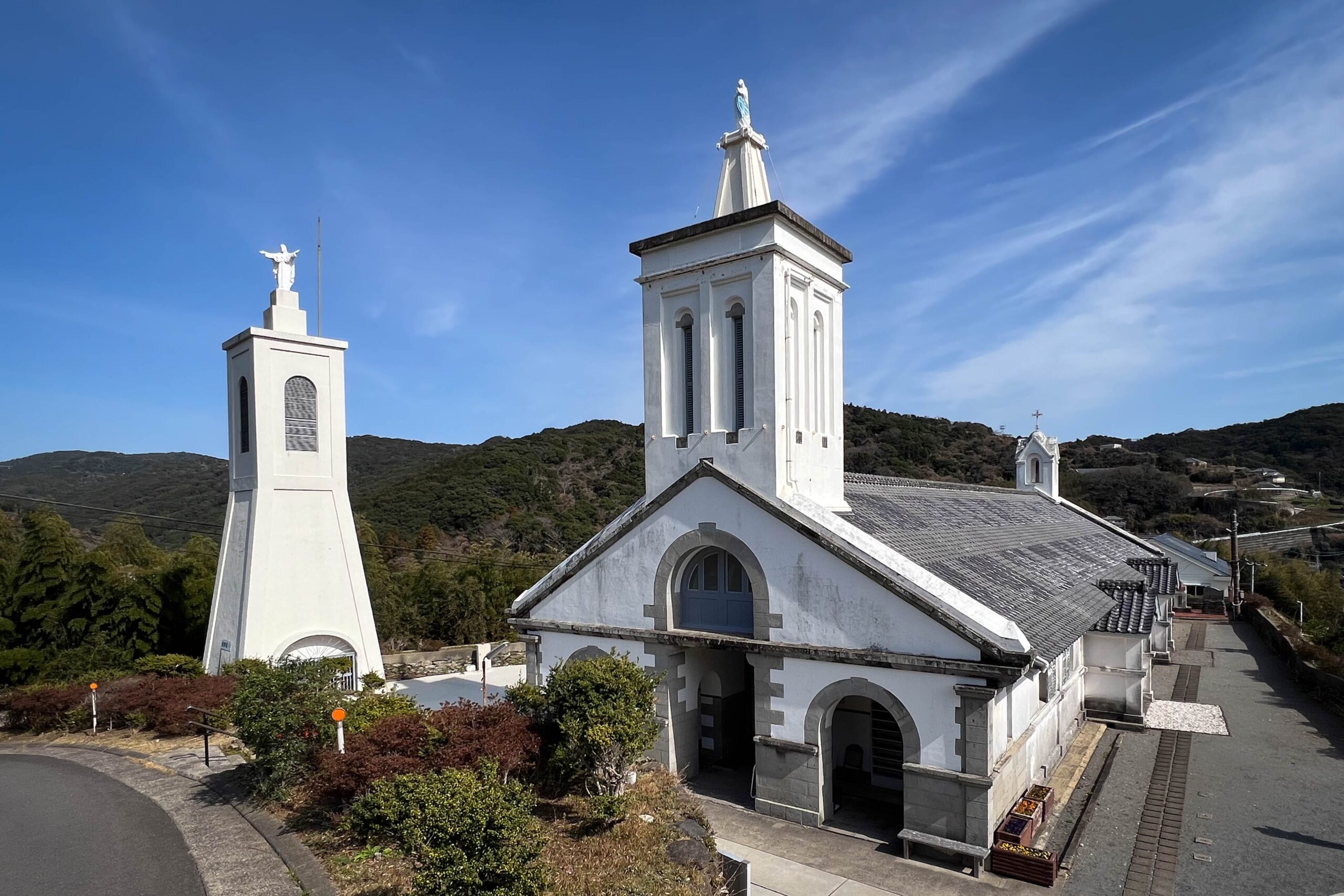
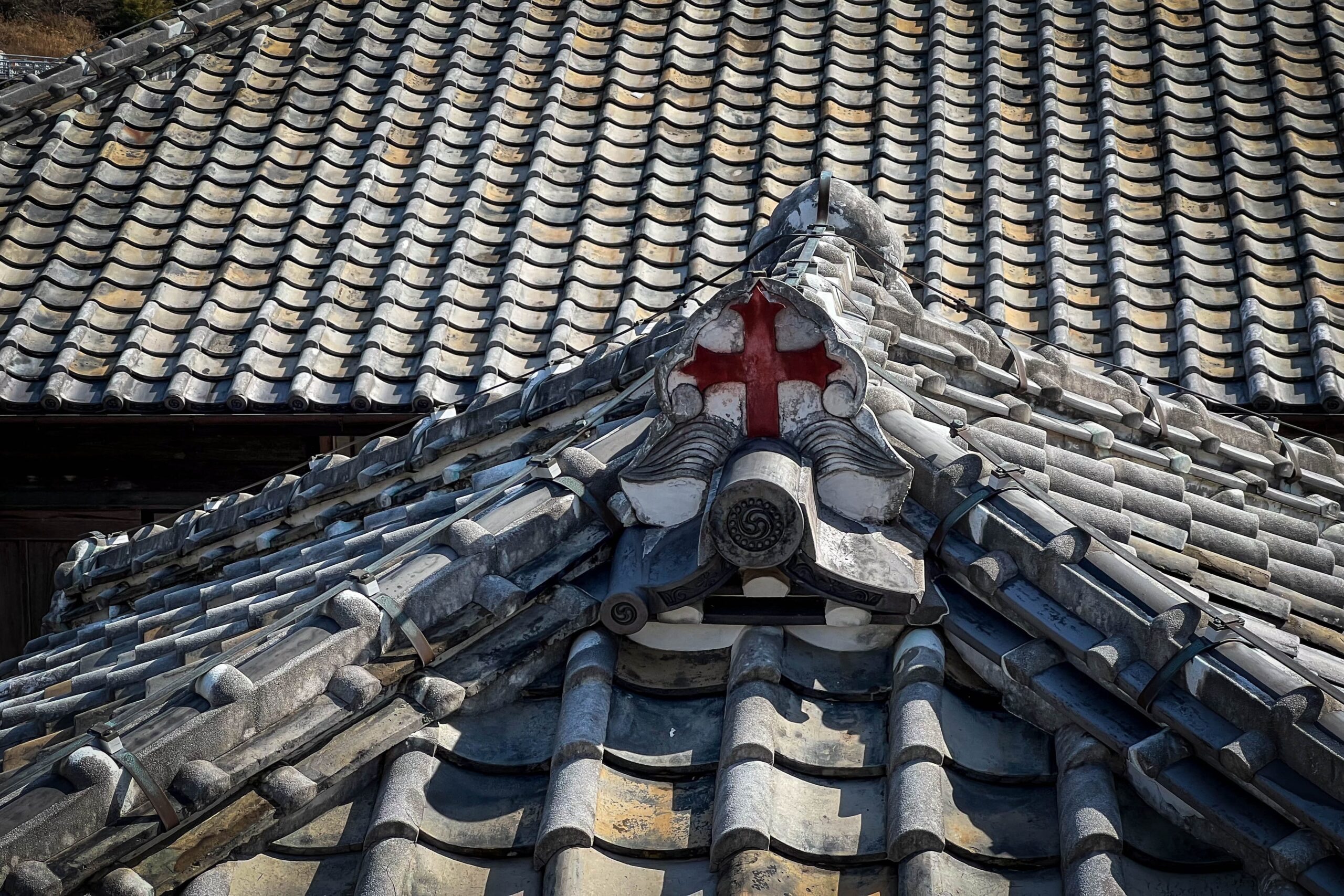
The focal point of the area is Shitsu Church, built low to the ground to withstand the intense gales that frequently buffet this coastline. The exterior consists of plaster-coated brickwork topped by a traditional Japanese tiled roof, displaying an architectural silhouette that integrates a European layout with Japanese weatherproofing techniques. An extra tower stands beside the church, the result of extensions to accommodate a growing congregation. Inside, the flat ceiling sits close to the wooden pillars, while the semicircular altar area is level with the main floor of the nave rather than elevated, creating a sense of communal intimacy.
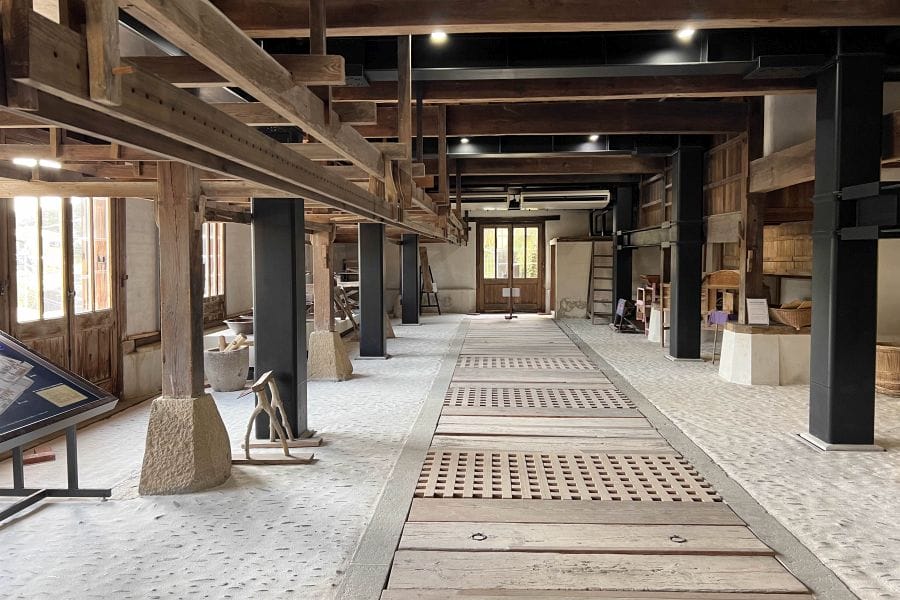
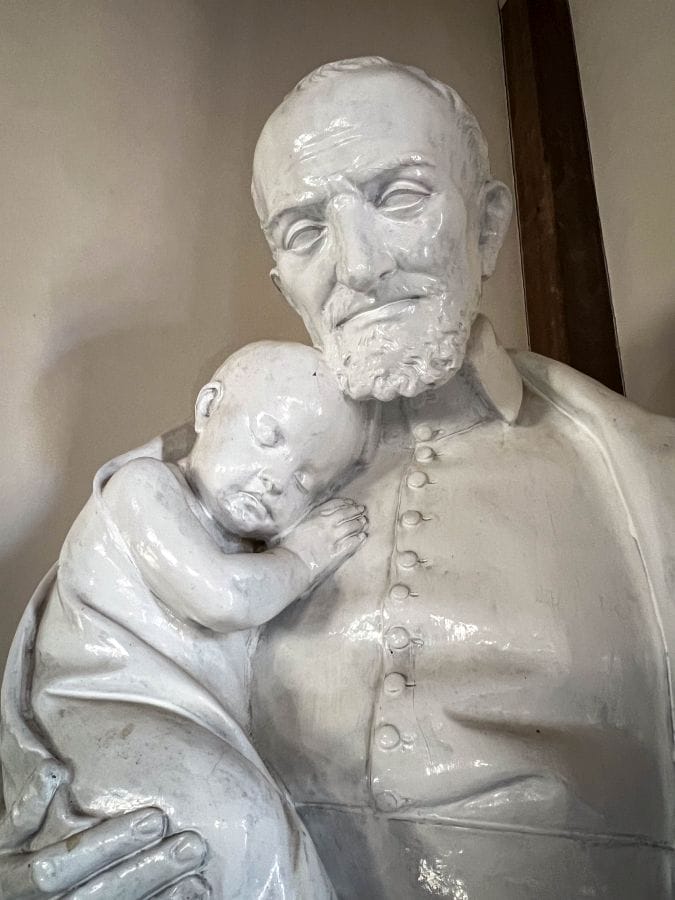
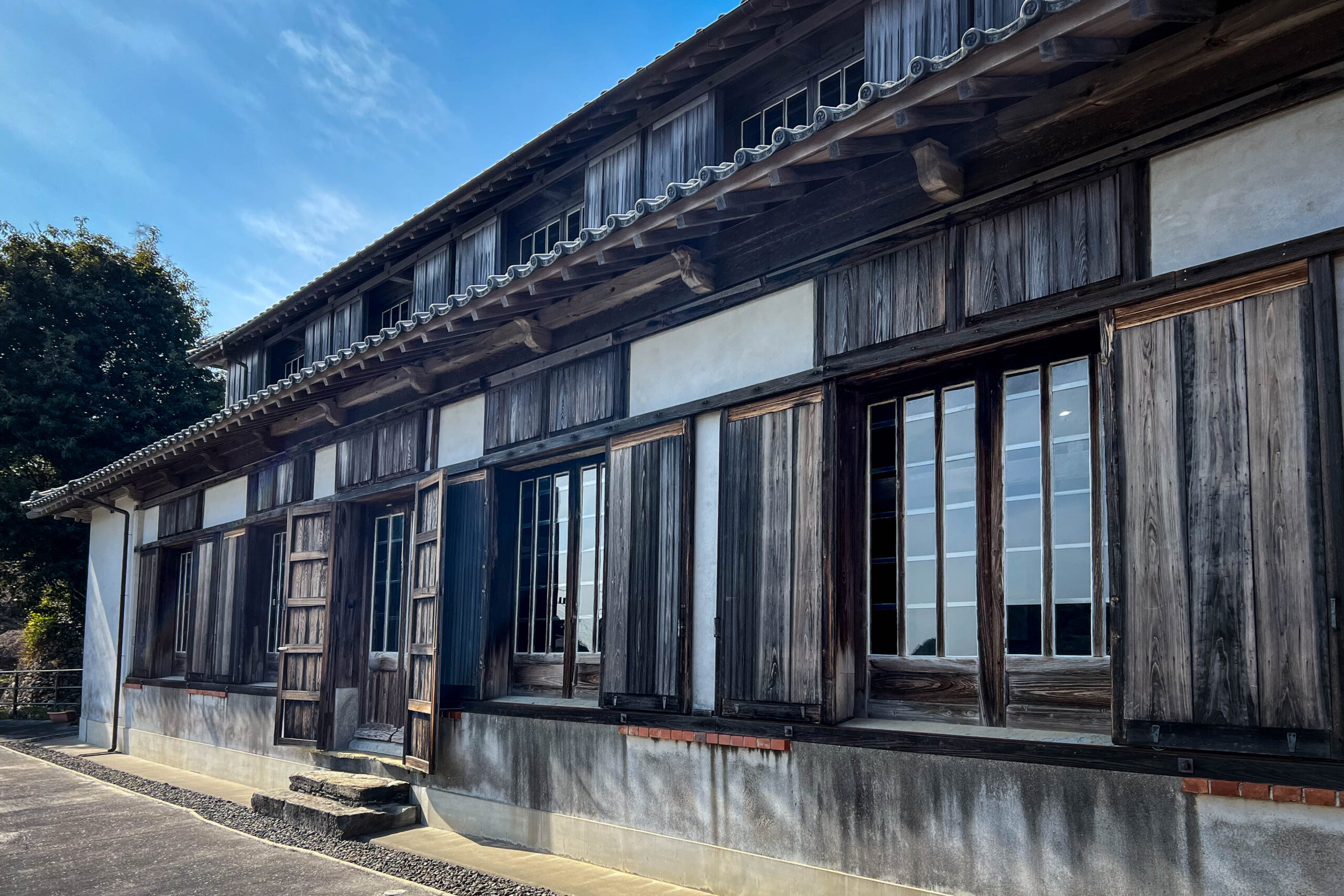
The social fabric of the settlement was profoundly influenced by the Paris Foreign Missions Society, particularly Father Marc Marie de Rotz, who funded and directed much of the local infrastructure using his personal inheritance. Adjacent to the church grounds stand the former Shitsu Aid Centre and a specialized sardine net factory, established to lift the community out of chronic poverty by introducing industrial skills. At the aid centre, local women also produced macaroni and sōmen noodles for export to foreign residents in Nagasaki. De Rotz designed the workshop clock to strike every fifteen minutes, signalling to the workers to temporarily pause their physical tasks and engage in silent prayer before resuming their duties.
The survival of Catholicism in this remote outpost stemmed from a highly organized, covert administrative network that operated under the nominal oversight of the local Shitsu magistrate’s office. Although the ruling Saga clan officially enforced the nationwide ban on Christianity from 1614 onwards, local authorities often practiced strategic non-interference as long as taxes were paid punctually. The village headmen were themselves secret practitioners, covertly presiding over small religious units called kumi. These groups elected a three-person shadow council known as the jihi-sama, who calculated the liturgical calendar and preserved handwritten transcriptions of a 1603 contrition catechism alongside European medals and Chinese statues repurposed to represent Christian figures.
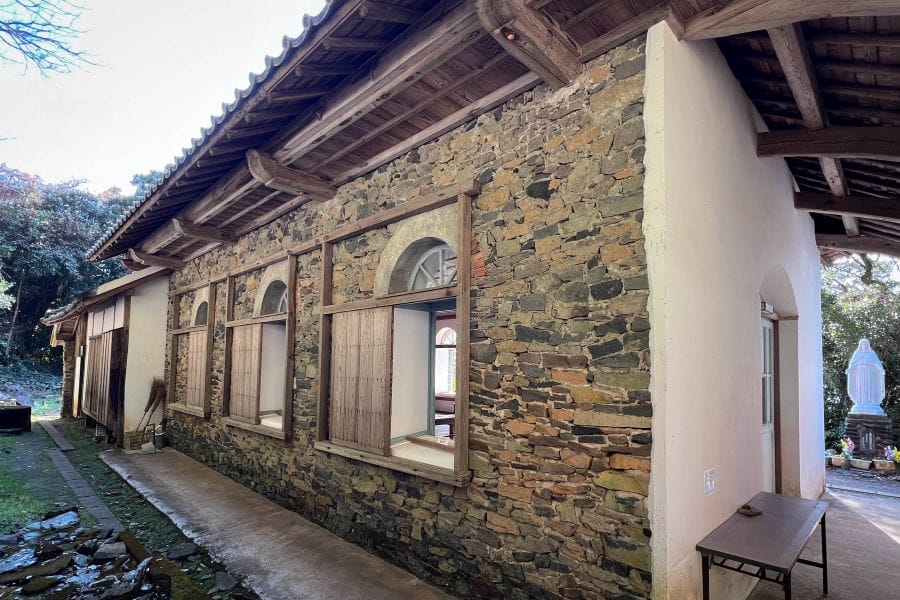
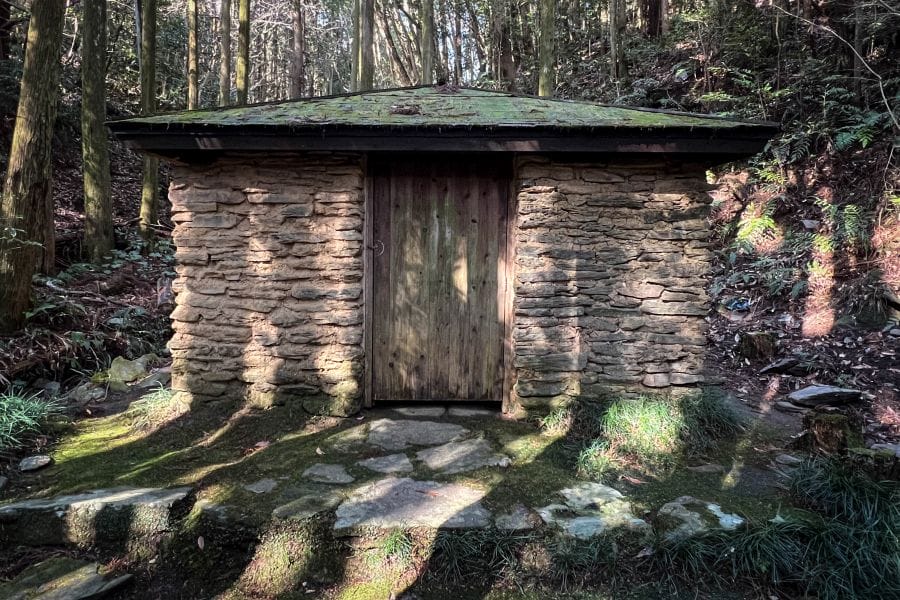
Built further up the mountain slopes from Shitsu, Ōno Church is a secluded structure also designed by Father de Rotz in 1893. Unlike the plaster finish of Shitsu Church, the walls here are constructed using the local de Rotz wall technique, which mixes rough, un-knapped basalt stones with a durable lime mortar. This small, single-storey house of prayer features a low profile and a traditional wood-framed interior designed to blend into the surrounding forest, serving a tiny community of twenty-six families who transitioned out of hiding.
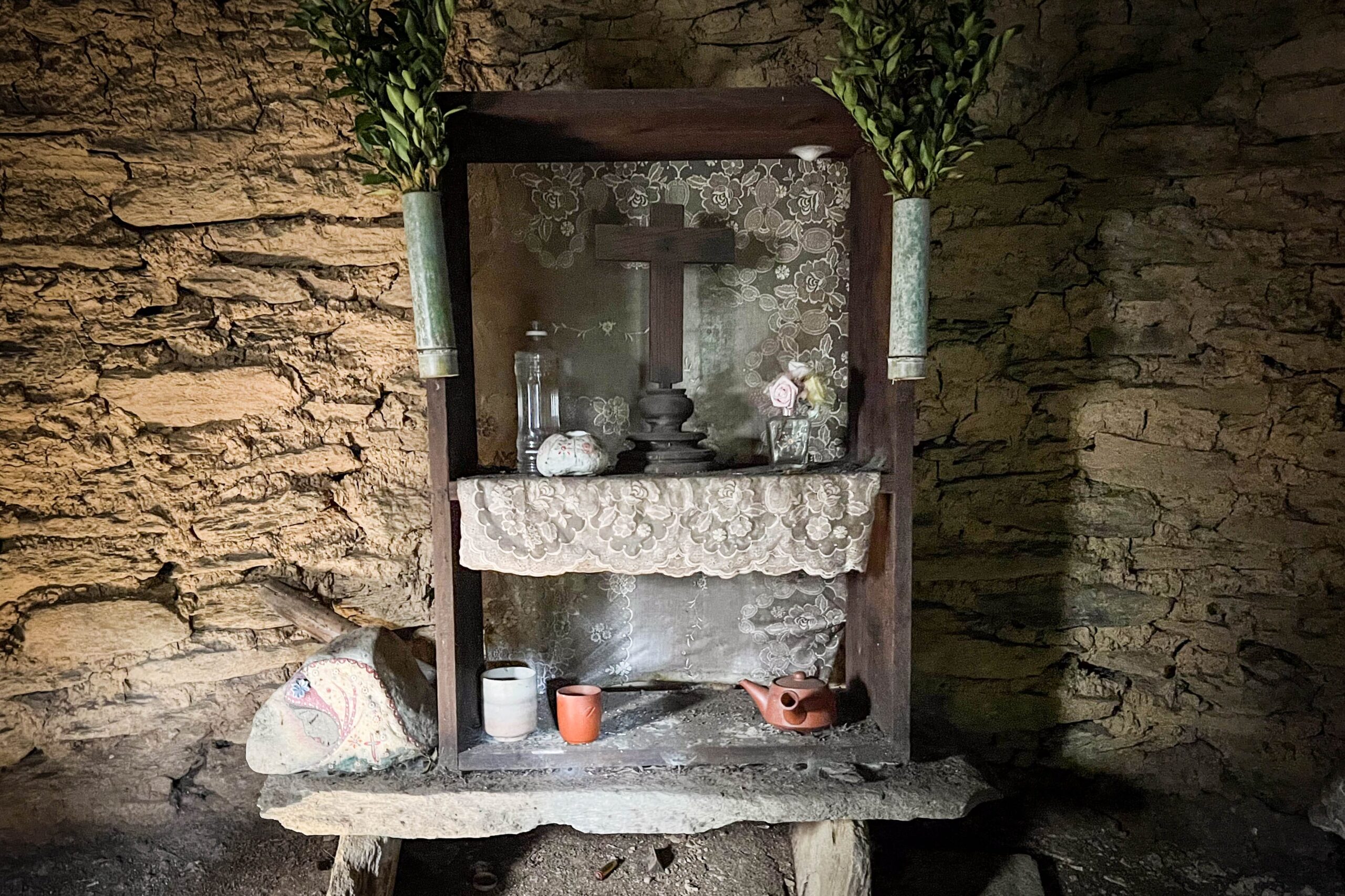
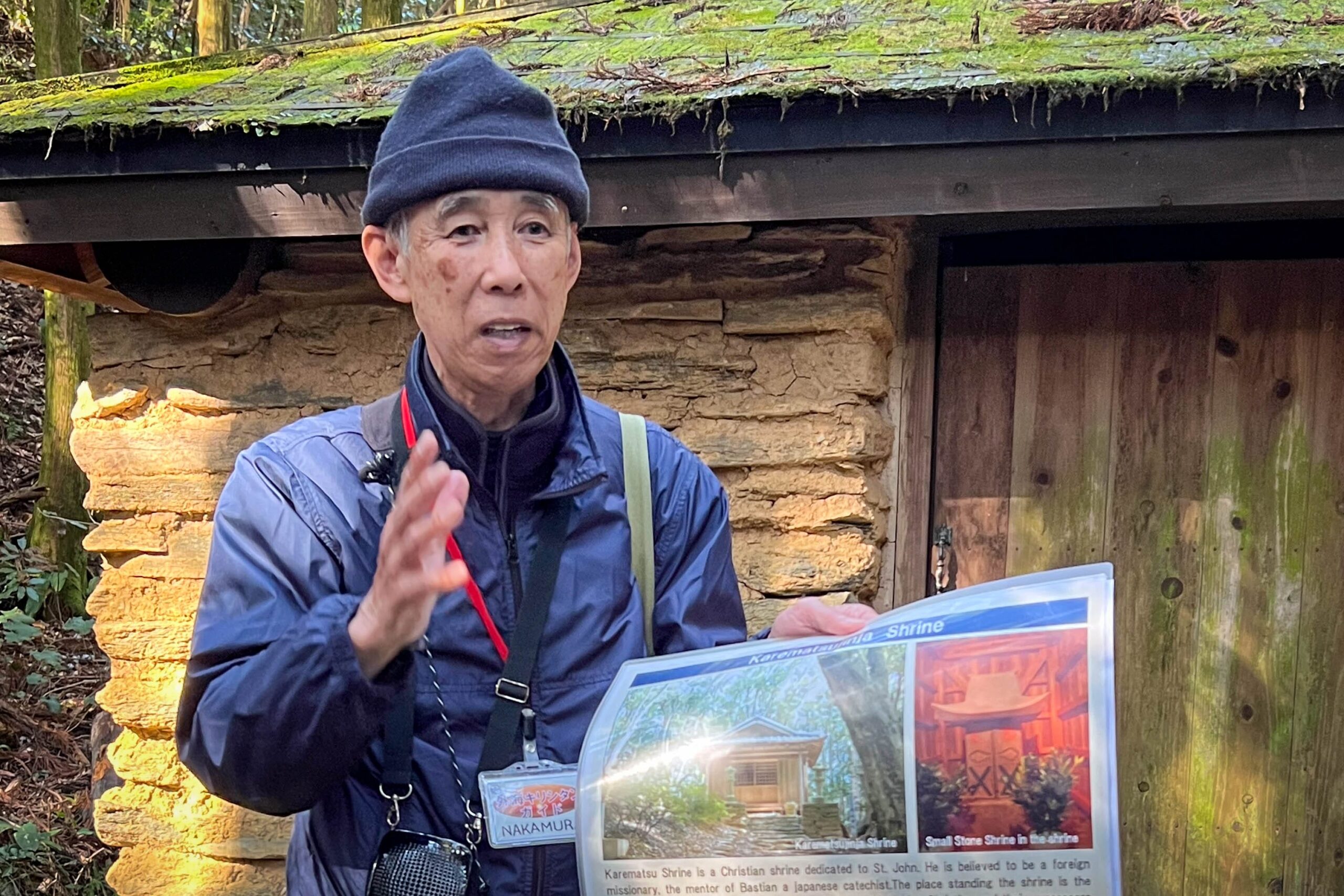
Situated near the border of the village, Karematsu Shrine is one of the rare physical spaces where Hidden Christians disguised their faith under the guise of indigenous Shintō practices. It’s dedicated to San Juan, a Portuguese missionary who was martyred in the area. Underneath the Shintō archway and simple wooden altar lies a natural rock formation where practitioners would gather in absolute silence to recite their prayers, intentionally using a shrine format to avoid drawing suspicion from local government inspectors.
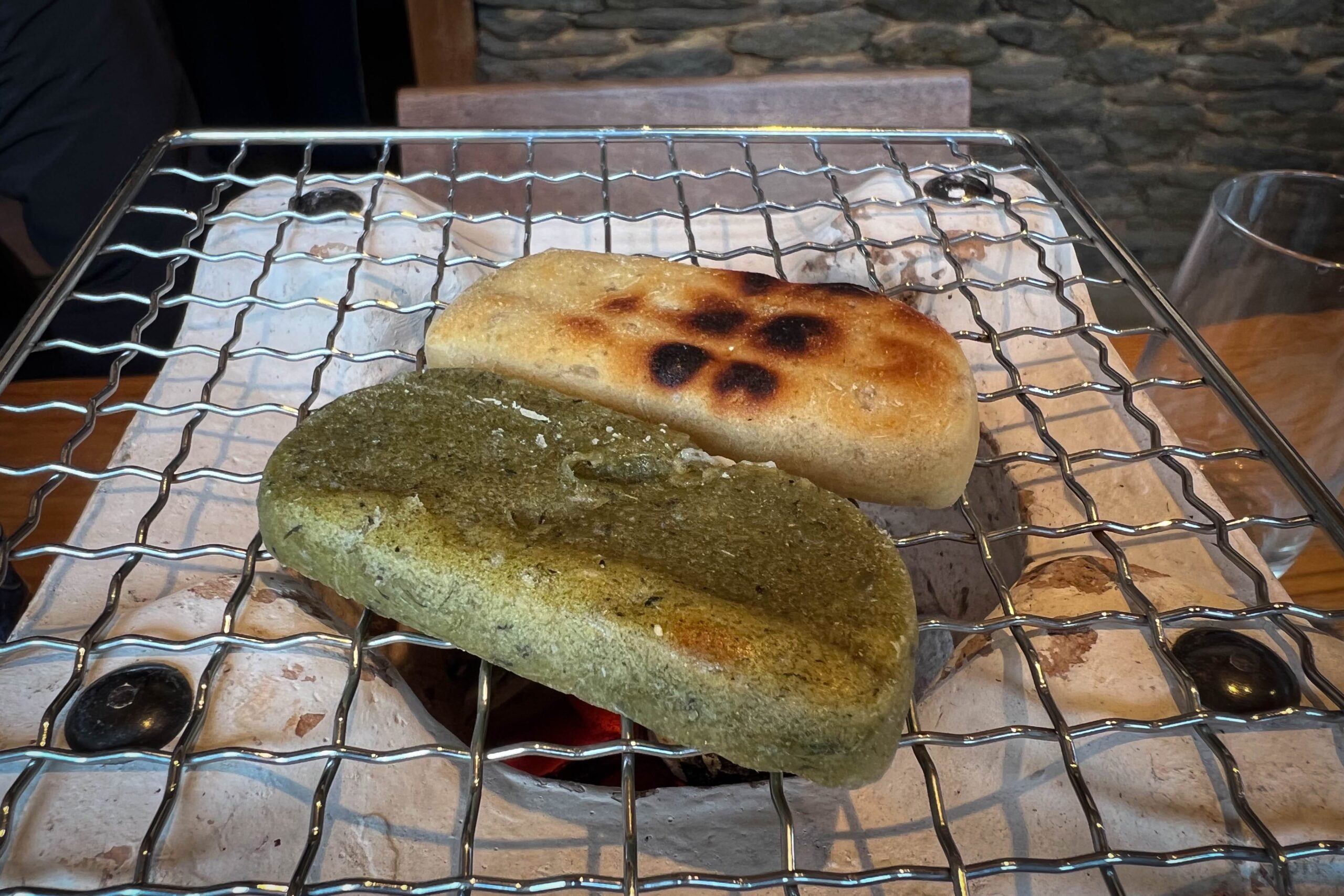
On the other side of the hill from Shitsu Church, you can make and eat kankoro mochi, a paste made from dried sweet potato that sustained the community for centuries.
Information
Name in Japanese: 出津
Pronunciation: shi-tsu
Address: 2633 Nishishitsu-machi, Nagasaki, 851-2322