Hario Transmission Station
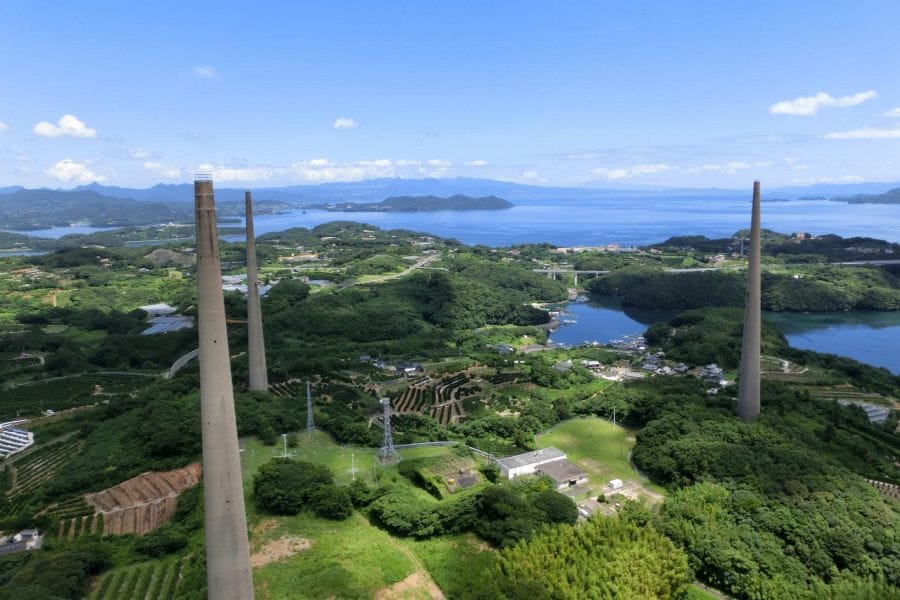
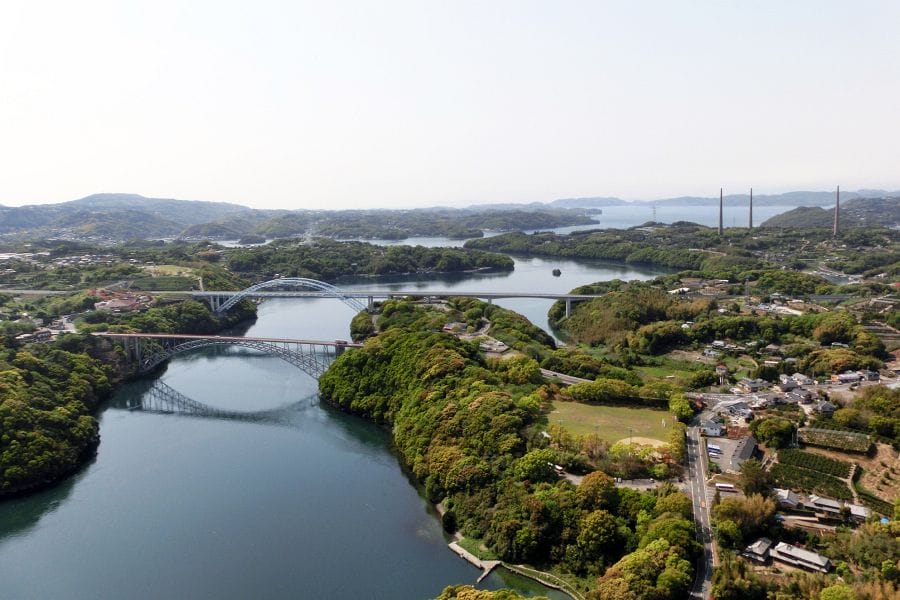
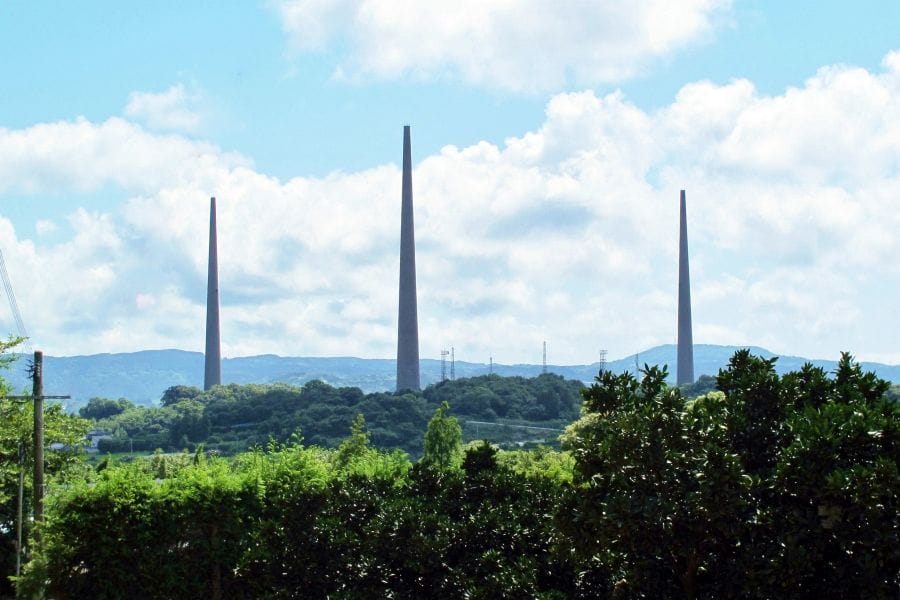
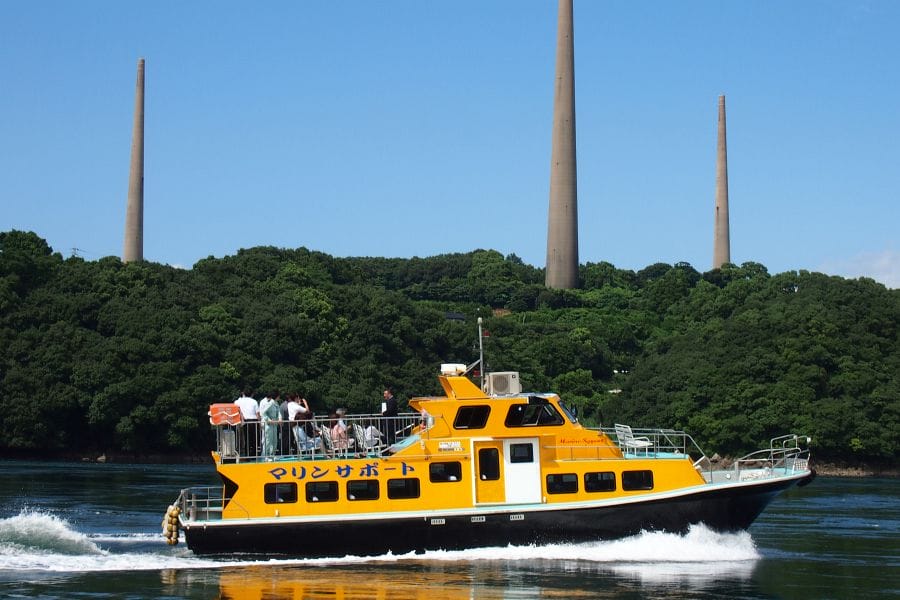
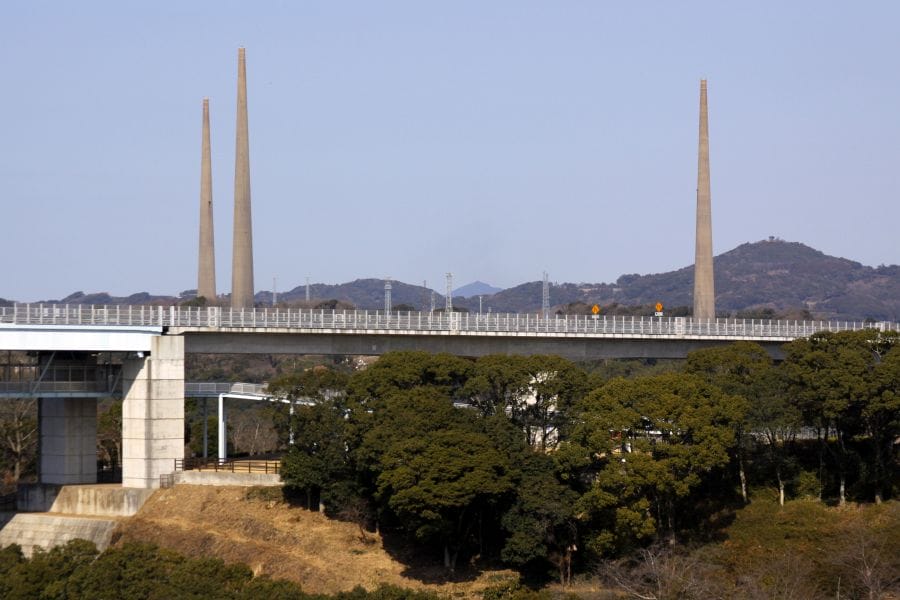
When you drive anywhere south of Sasebo city, you’re sure to see three strange concrete needles pointing into the sky. Too tall and narrow to be chimneys, they carry an air of mystery. They are in fact the towers that transmitted the order that started the attack on Pearl Harbor.
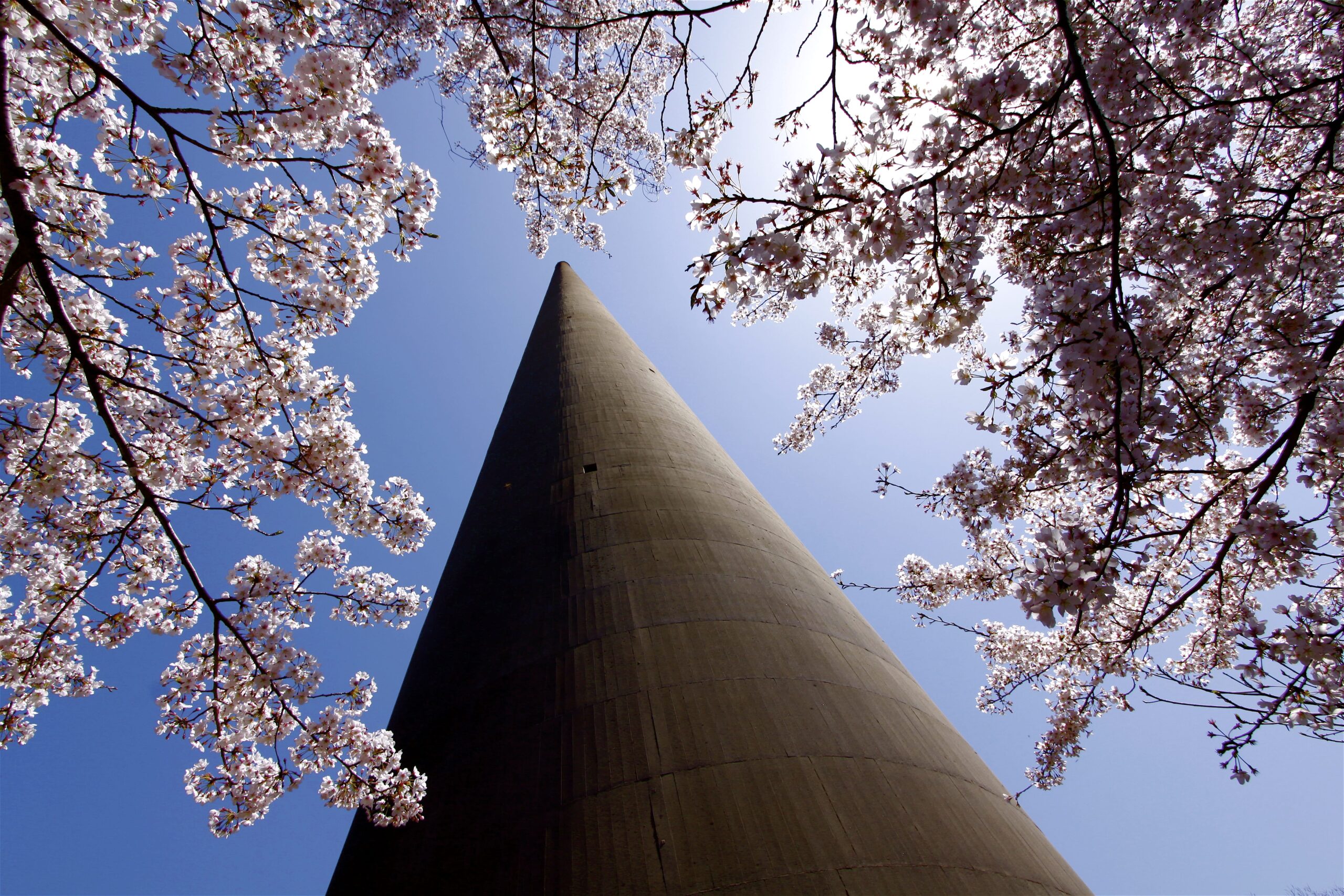
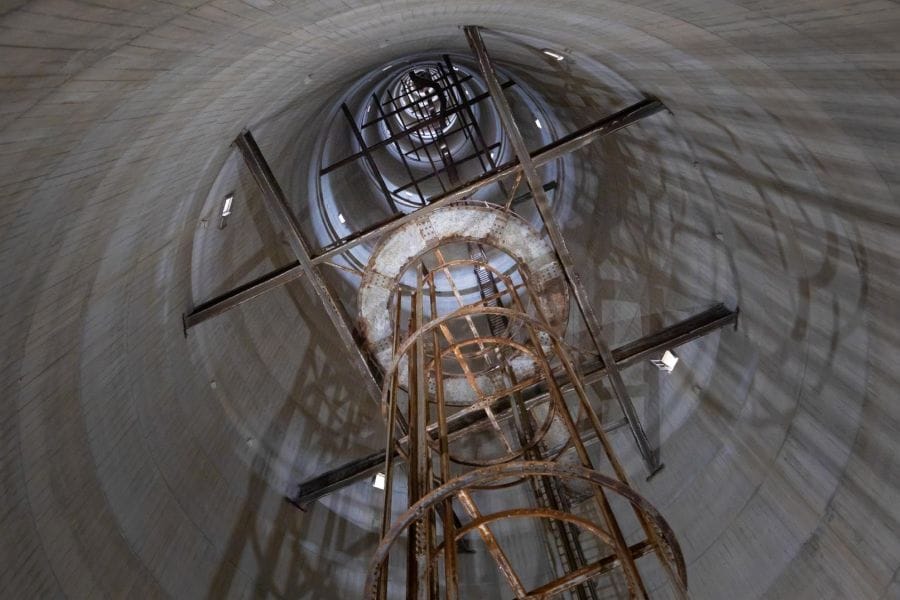
The Hario Transmission Station is an early 20th-century naval radio facility consisting of three monumental reinforced concrete towers and a central transmitting building. The three freestanding columns stand 136 metres high, positioned in a precise equilateral triangle with 300-metre intervals across the landscape. Walking up to the bases reveals the raw, weathered texture of the concrete, which has darkened with moss and age since its completion. The hollow interiors have internal iron ladders stretching up to the caps. When you look upward from the base, the tapering walls create a sharp, forced perspective against the sky.
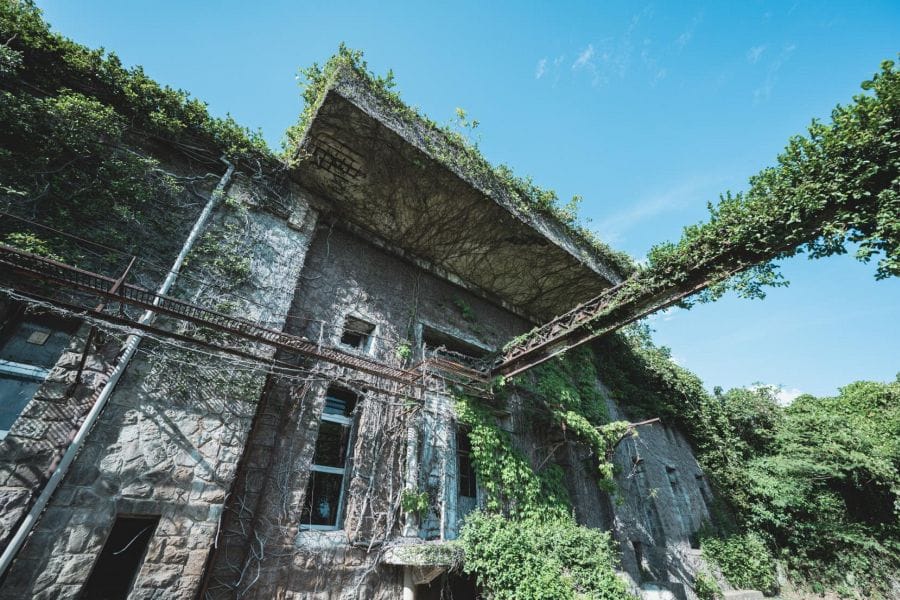
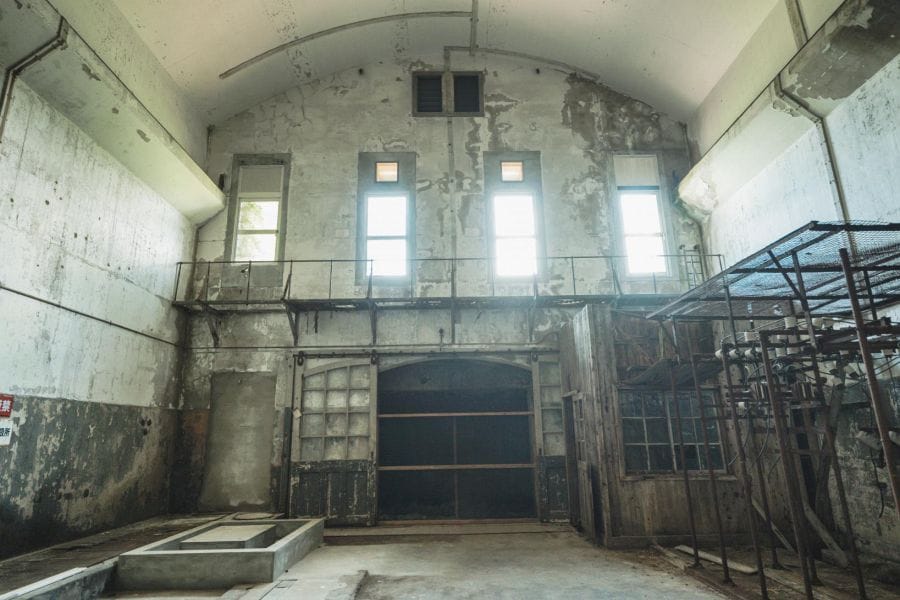
The central transmitting station sits equidistant from the three structures, and it’s accessible via a network of footpaths. This reinforced concrete building retains traces of its wartime camouflage paint, with patches of black and green blending into the surrounding woodland. Inside, the main hall displays the foundations where heavy generators and radio transmitters once stood. Copper earthing strips run through the concrete floors, designed to handle the immense electrical currents needed for long-wave broadcasts. It’s a site that permits self-guided exploration around the perimeters of the towers and through the designated paths of the command complex.
The Imperial Japanese Navy commissioned the facility to secure reliable long-wave communication with warships operating across the Pacific and East Asian waters. Construction began in 1918 and took four years, using a pioneering continuous concrete-pouring method that allowed workers to raise the walls without horizontal joints. The walls measure nearly one metre thick at the base, tapering to 30 centimetres at the summit. Originally, there were triangular pylons at the tip of each tower, with four wires strung in a triangle between the towers. The station didn’t suffer any structural damage during the region’s frequent typhoons or even from the 1945 atomic detonation thirty kilometres away in Nagasaki, meaning the towers remain perfectly upright today.
The facility functioned as a critical cog in military operations, acting as part of the transmission network that broadcast the coded signal “Climb Mount Nītaka 1208” to commence the attack on Pearl Harbour in December 1941. During the Pacific War, it operated as a vital communications hub until Japan’s surrender in 1945, after which the United States military briefly occupied the site before handing it over to the Japanese authorities. Decommissioned in 1997, the facility received designation as an Important Cultural Property. The preservation efforts maintain the structures in their post-war state, serving as an important monument to early twentieth-century telecommunications engineering.
Information
Name in Japanese: 針尾無線塔
Pronunciation: haree-o mu-sen toh
Address: Hario Nakamachi, Sasebo, Nagasaki 859-3452