Shikoku Pilgrimage with Walks
8
days
¥432,000
starting price
8
People max.
Matsuyama
starting place
Overview
Many people are interested in walking some of the Shikoku Pilgrimage, but not all of it. Eighty percent of the pilgrimage is on heavily trafficked roads and is no fun to walk, so we don’t recommend that. The remaining twenty percent is on beautiful mountain trails. But discovering the best walks is no easy matter. Then there’s the logistics of getting to the start of the trail, and getting back to your accommodation afterwards.
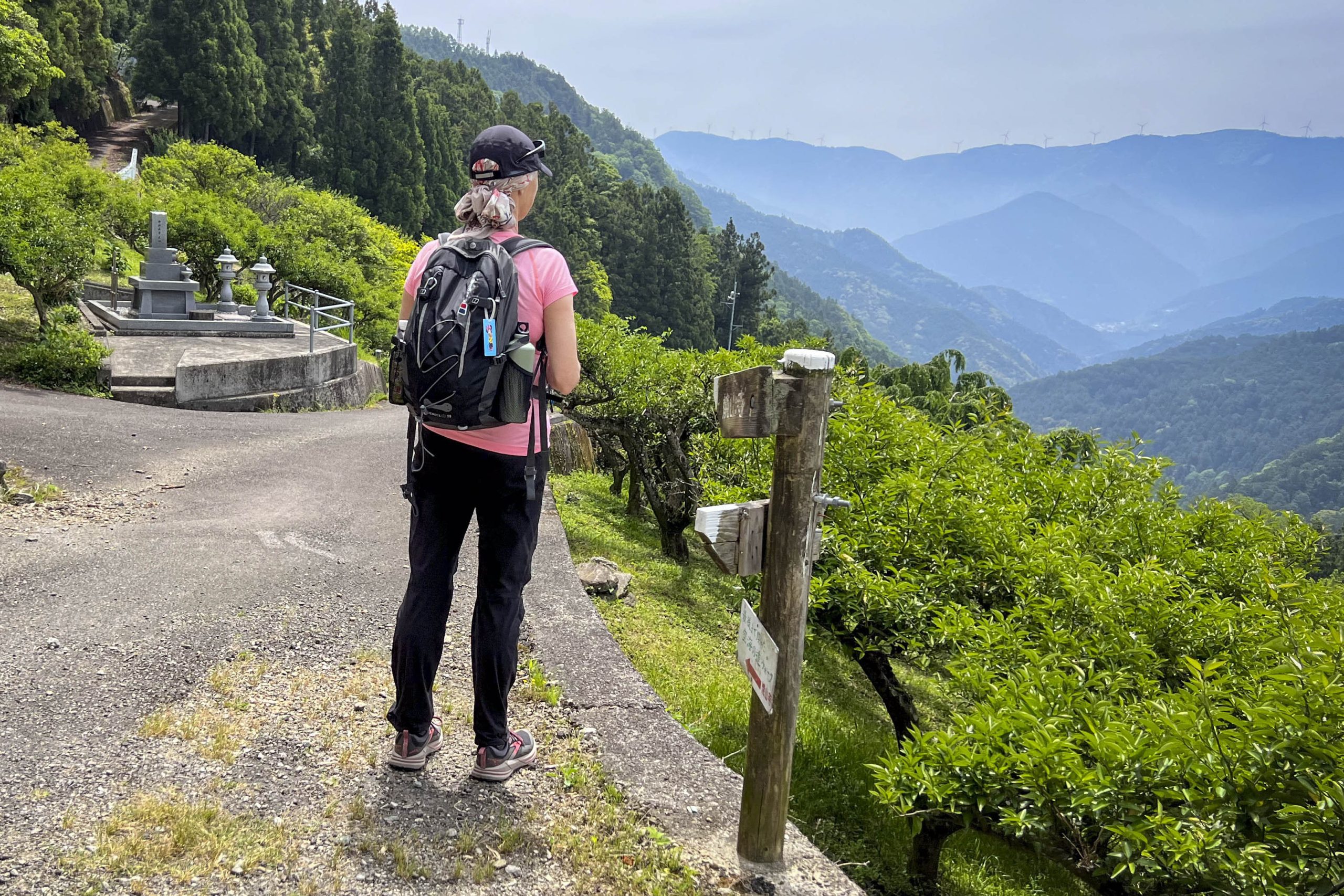
On this tour, we take care of all of this for you. We show you the most beautiful and interesting temples of the Shikoku Pilgrimage in seven days, visiting all four prefectures of the island. On each day, you undertake one of the most challenging walks on the pilgrimage trail, including the steep parts called ‘henro korogashi’ or pilgrim killers. These are also the most attractive parts of the pilgrimage trail, offering superb views as you make your way up and down the mountains of Shikoku. The walks are from 10 to 15 km.
You travel by private vehicle seeing the best of the Ohenro, and staying in the main cities of Shikoku. Your vehicle takes you to the start of the walk, and picks you up at the end. You’re accompanied by a knowledgeable guide, and there are places where you can end the walk midway if you’re tired. Your accommodation includes temple lodgings, modern hotels, and onsen ryokan for variety and a taste of what the island has to offer.
This tour can be enjoyed at any time of year. Whatever the season, there’s something special to see, to eat and to drink.
This private tour can be booked year round at your own convenience.
Who is this tour for?
This is a private tour for two people or more who like to travel with a guide. The focus is on the most challenging trails of the Shikoku Pilgrimage. The walks are tough and so you must be fit enough to maintain a good tempo through the daily ups and downs. You’ll also need to have appropriate clothing and footwear. We may stay one night at temple accommodation that has ensuite toilets, but only a shared bath, so you need to be OK with getting naked with strangers, or flannel bathing in your room.
Important: If you like to walk slowly and don’t enjoy hiking hills, this tour is not for you. Also, the pilgrimage route consists of mixed trails, with sections on mountain tracks, gravel paths, and paved roads. It isn’t all through pristine countryside.
If you don’t relish a long hike every day, then the Best of Shikoku Pilgrimage tour will suit you better. The temple compounds themselves are large, and involve a certain amount of walking.
For those who would like to try walking temple to temple, we offer the Walking Pilgrimage in Tokushima tour. We cannot undertake to help you walk all of the pilgrimage consecutively.
Price
From
-
¥2,240,000 / person with 1
-
¥1,202,000 / person with 2
-
¥864,000 / person with 3
-
¥689,000 / person with 4
-
¥588,000 / person with 5
-
¥518,000 / person with 6
-
¥470,000 / person with 7
-
¥432,000 / person with 8
Itinerary
Highlights
Matsuyama
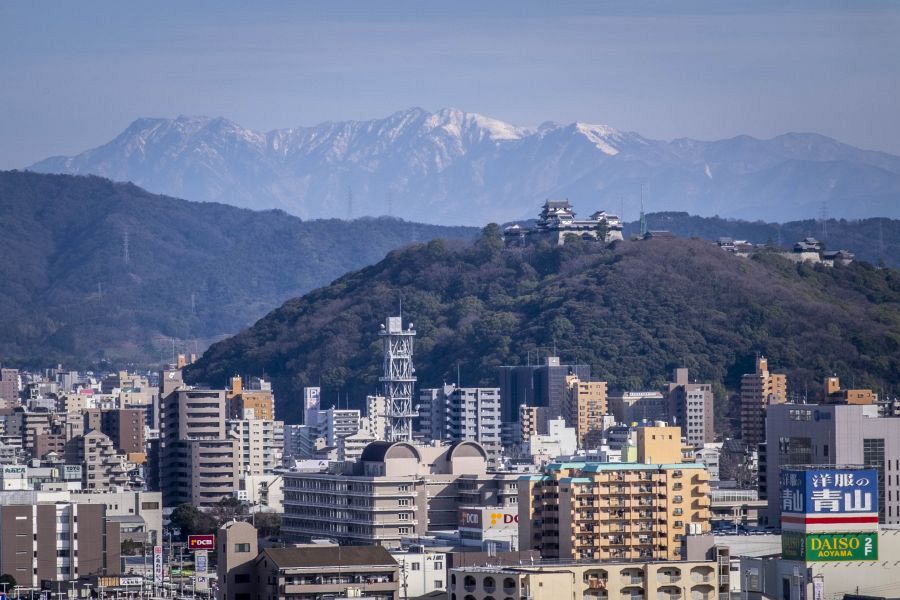
Matsuyama, the capital city of Ehime and the largest city in Shikoku, has a castle with an Edo-period keep. It's famed for its haiku poetry and Botchan.
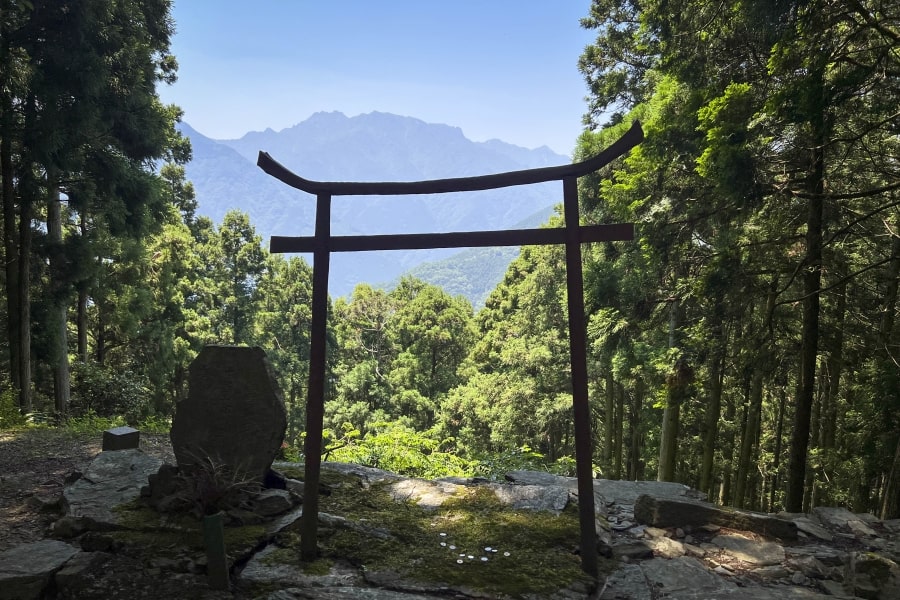
Temple 60, Yokomine-ji
Yokomine-ji, The Temple on the Side of the Ridge, is temple No. 60 on the Shikoku pilgrimage, or Henro. It stands in the foothills of Mt. Ishizuchi in Saijō. In the Edo period, travel was regulated by gated checkpoints called ‘sekisho’. On the pilgrimage, there are ‘sekishodera’ in each of the provinces, and these temples...
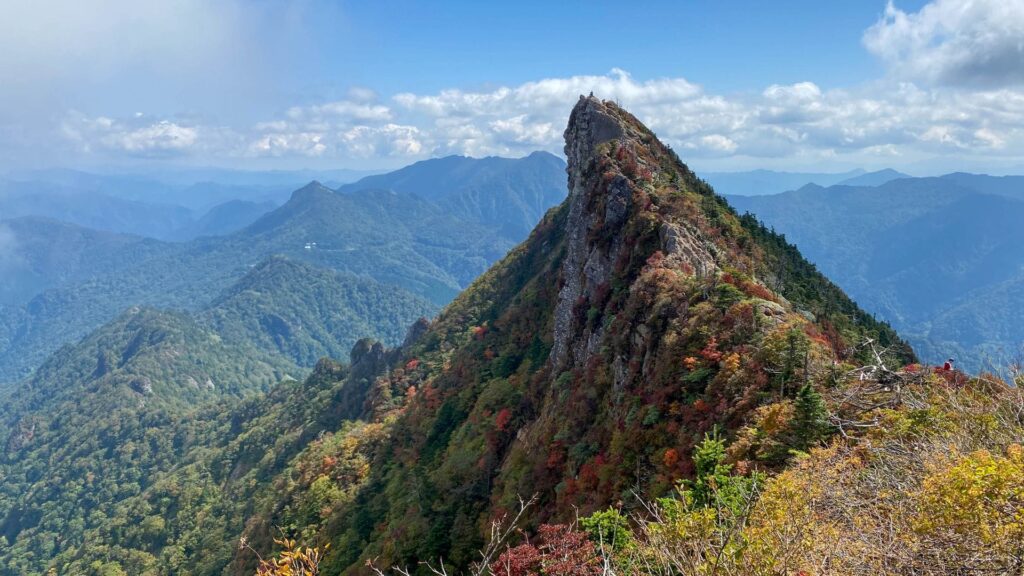
Mt. Ishizuchi
Mount Ishizuchi is the highest mountain on Shikoku and also the highest mountain in western Japan.
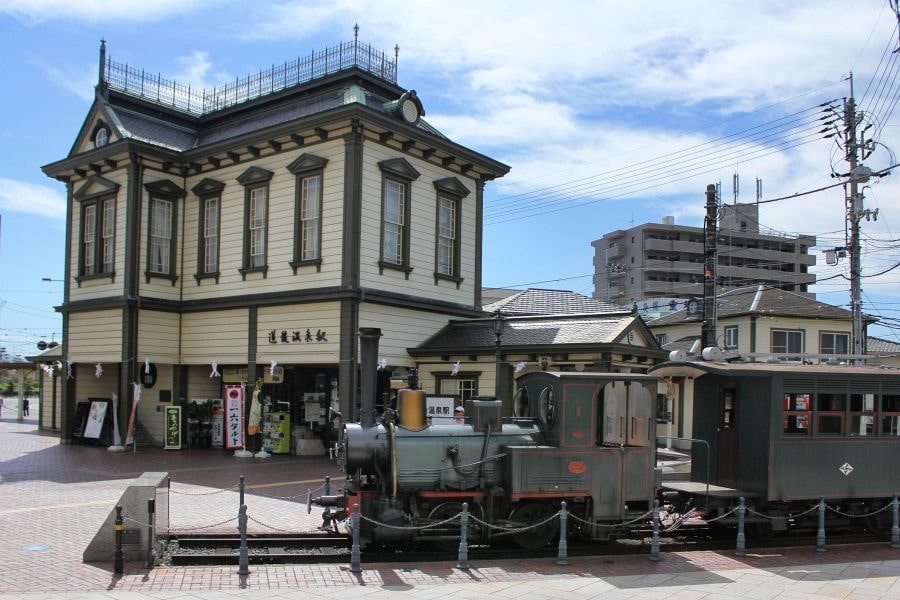
Dōgo
A historic area of Matsuyama, known for Dōgo Onsen, the oldest onsen in Japan.
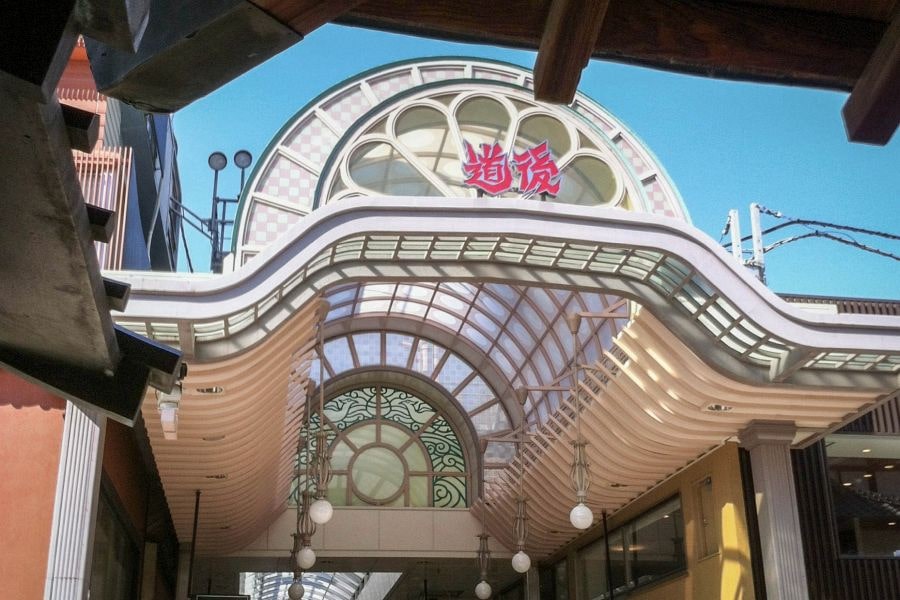
Dōgo Arcade
A lively, covered shopping street running from Dōgo Station to Dōgo Onsen Honkan.
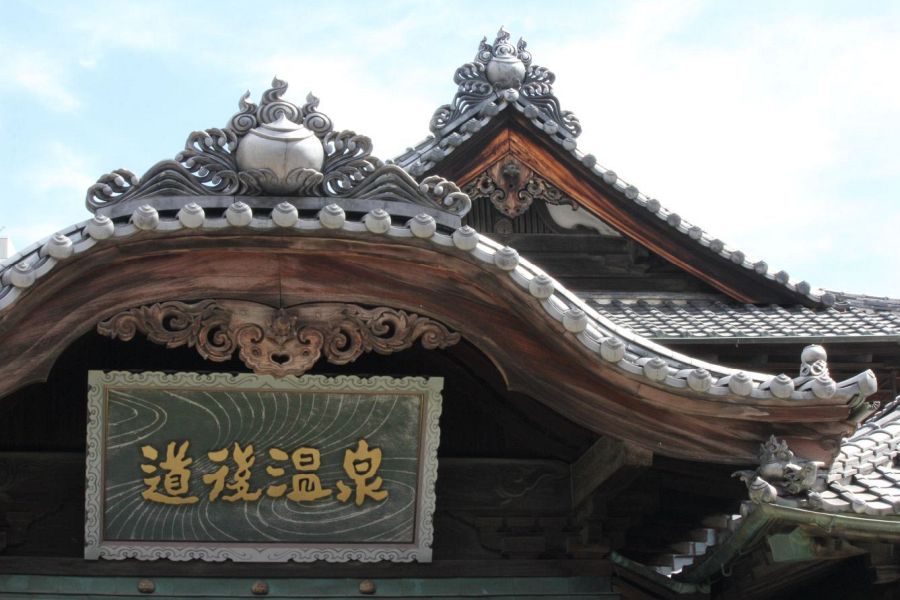
Dōgo Onsen Honkan
The oldest hot spring in Japan, with a history going back over 1,000 years.
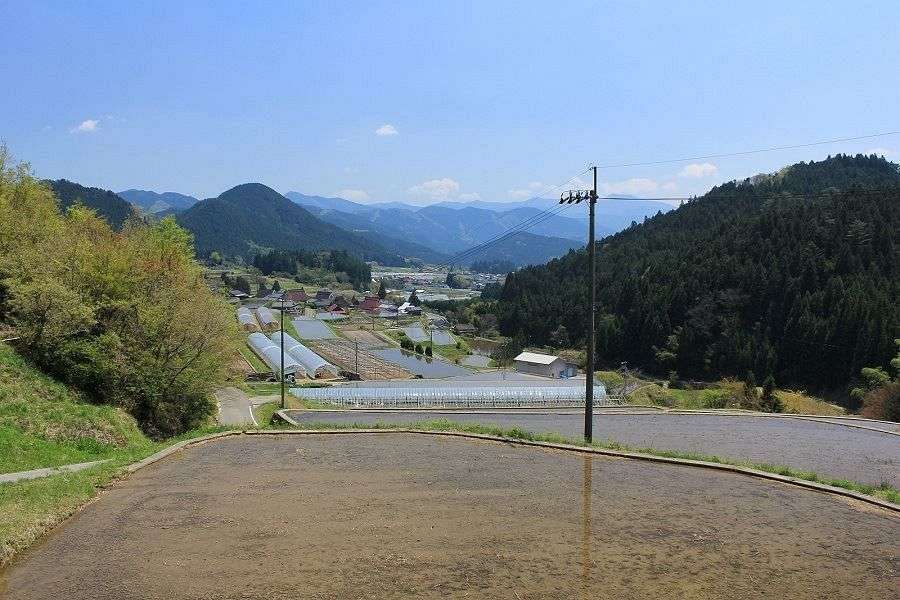
Kuma Highland
Kuma Highland is an expansive inhabited area at a high elevation in central Ehime bordering Kōchi Prefecture.
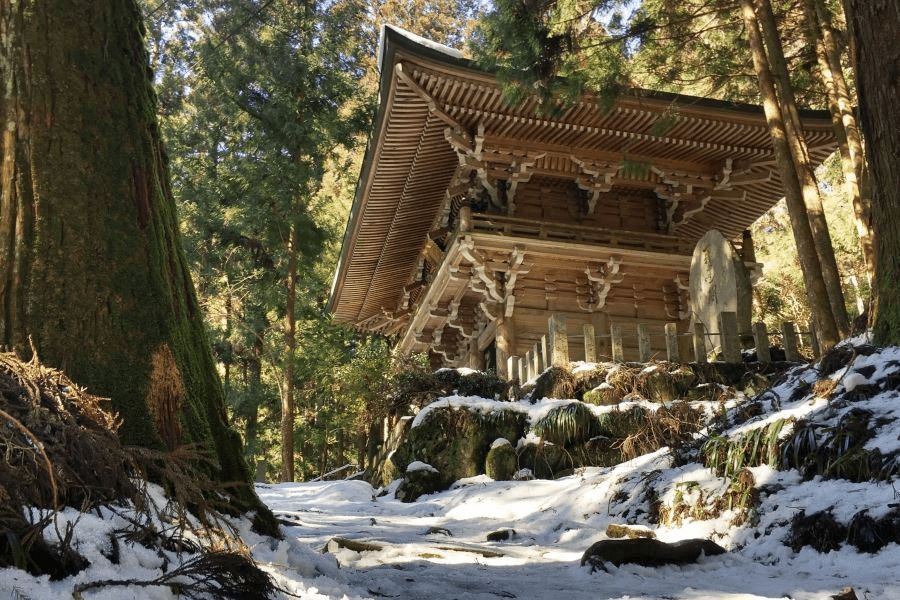
Temple 44, Daihō-ji
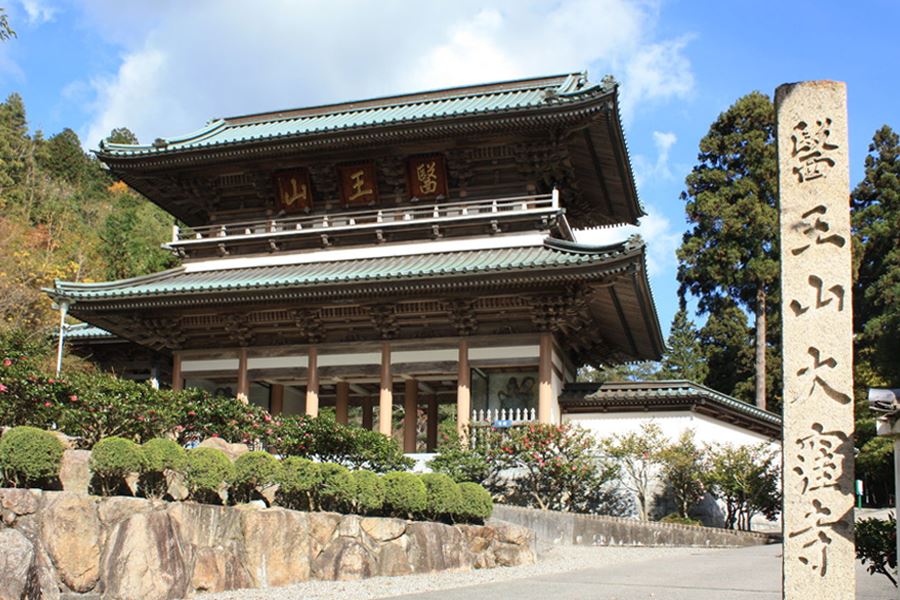
Daihō-ji, the Temple of Great Treasure, is temple No. 44 on the Shikoku Pilgrimage, or Henro. It stands in a forest of ancient sugi and hinoki cypress trees in the area known as Kuma Highland in central Ehime. What to see The approach to the temple begins in the town where there’s a high wooden...
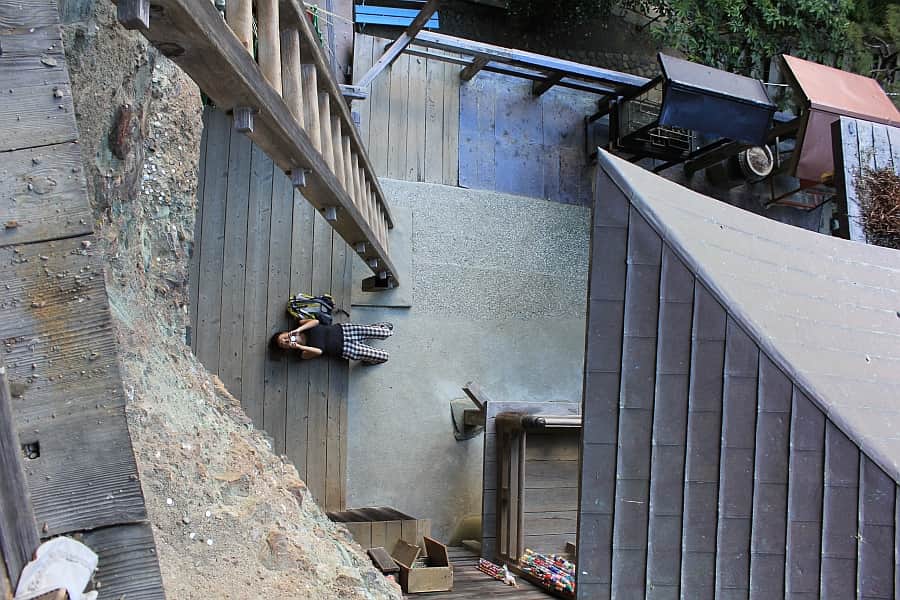
Temple 45, Iwaya-ji
Iwaya-ji, The Temple of the Rock Hermitage, is temple No. 45 on the Shikoku Pilgrimage, or Henro. If there’s one temple on the pilgrimage you really should visit in Ehime Prefecture, Iwaya-ji is it. The temple is located on Kuma Highland in a gorge formed of conglomerate rock. It inspires awe, from the trek up...
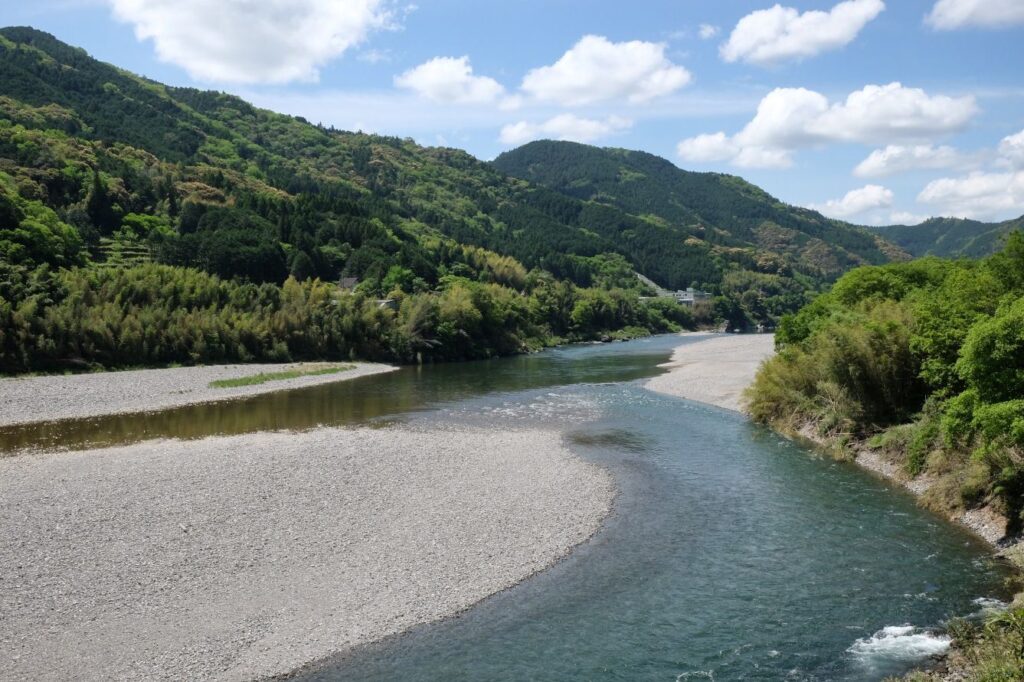
Niyodo River
The Niyodo River is one of the three major rivers of Shikoku. It rises in the mountains of central Shikoku, running southeastward through Kōchi and flowing into the Pacific at Tosa city.
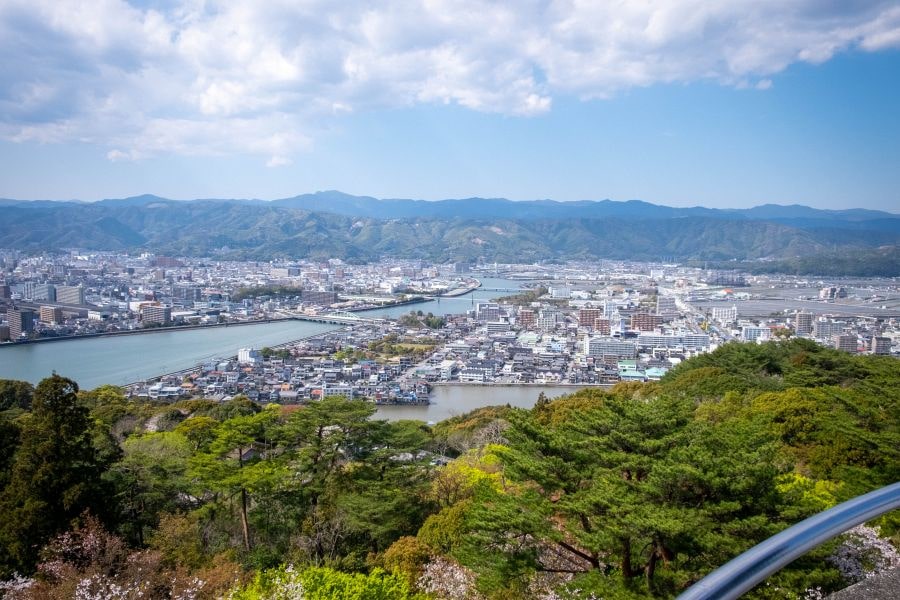
Kōchi City
Kochi City is the capital of Kochi Prefecture known for its castle, its historic tram system, its food and the friendliness of its inhabitants.

Hirome Market
Kōchi’s best-known place to eat.
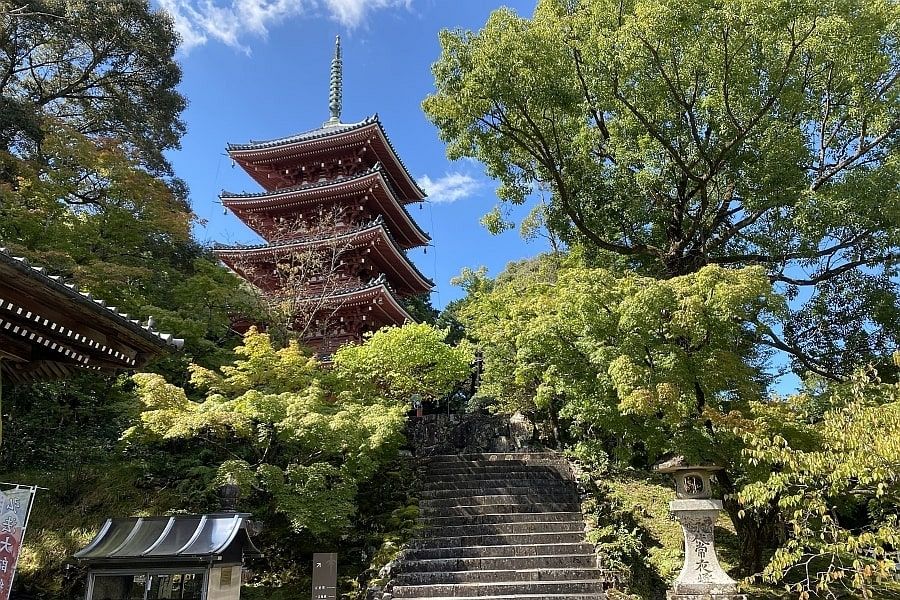
Temple 31, Chikurin-ji
Chikurin-ji is temple No. 31 on the Shikoku pilgrimage, or Henro. It’s located on Mt. Godai, a fairly high hill within Kōchi city. Chikurin-ji means ‘bamboo forest temple’, although today, Mt. Godai is more broad-leaf and pine forest than bamboo. What to see Chikurin-ji has many beauties. There’s a long approach to the main compound...
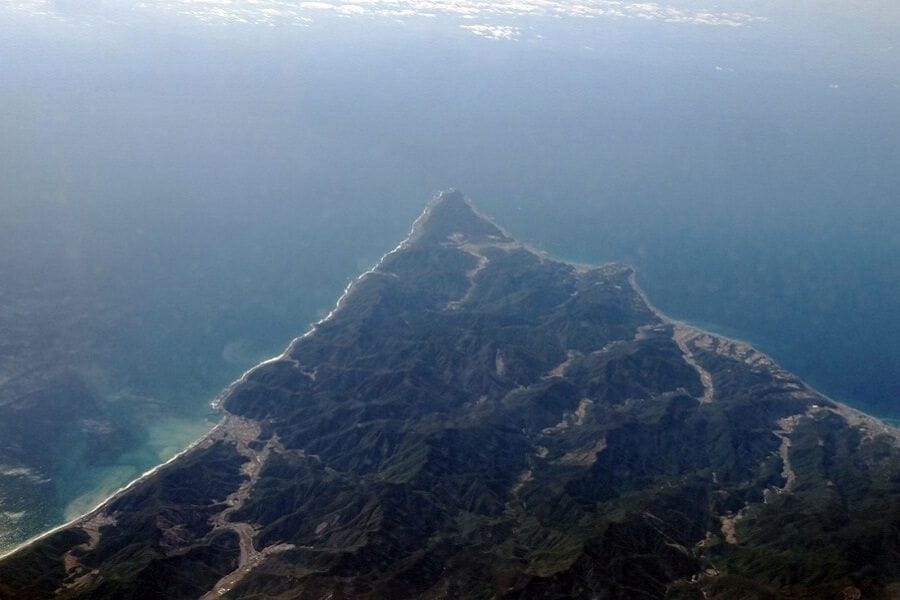
Muroto Peninsula
The Muroto Peninsula forms the southwestern part of Shikoku, where the island comes to a sharp point.
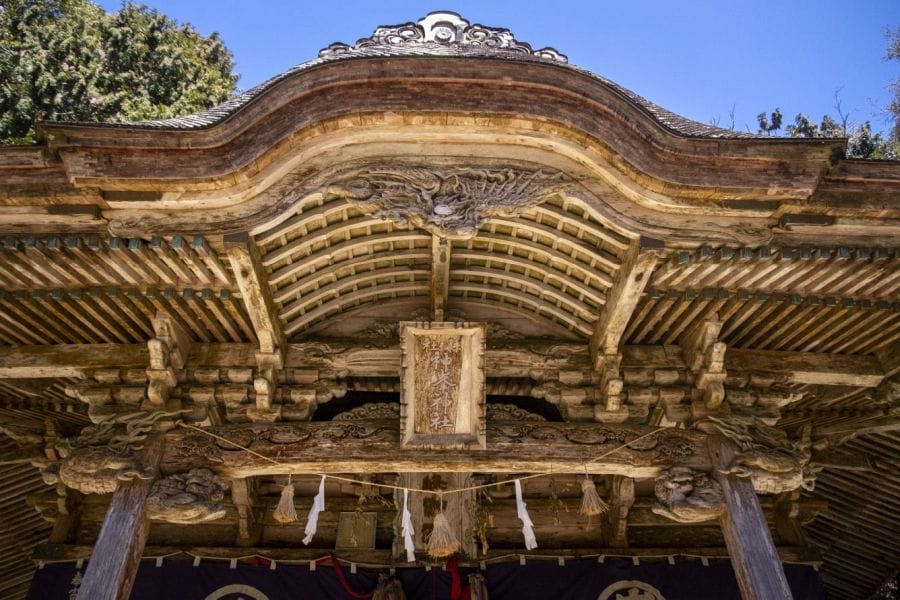
Kōnomine Shrine
A beautiful Shintō Shrine with a sacred rock formation above Kōnomine-ji Temple
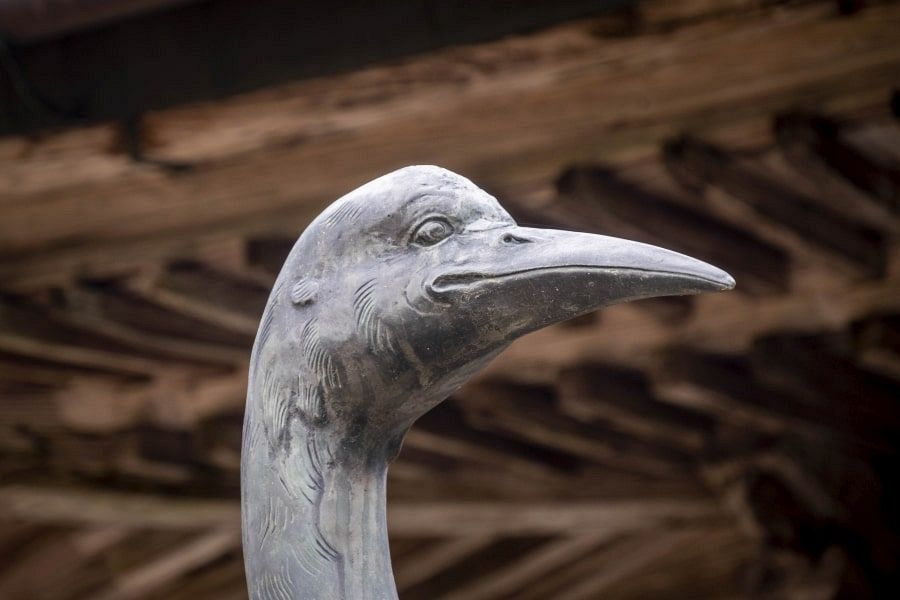
Temple 20, Kakurin-ji
Kakurin-ji is temple No. 20 on the Shikoku pilgrimage, or Henro. Located 490 m above sea level, the path up to it is rated among the “pilgrim-killers”. It stands across the Naka River from Temple No. 21, Tairyū-ji, another mountain-top temple. From Kakurin-ji, you can see as far as Awaji Island and the Pacific Ocean....
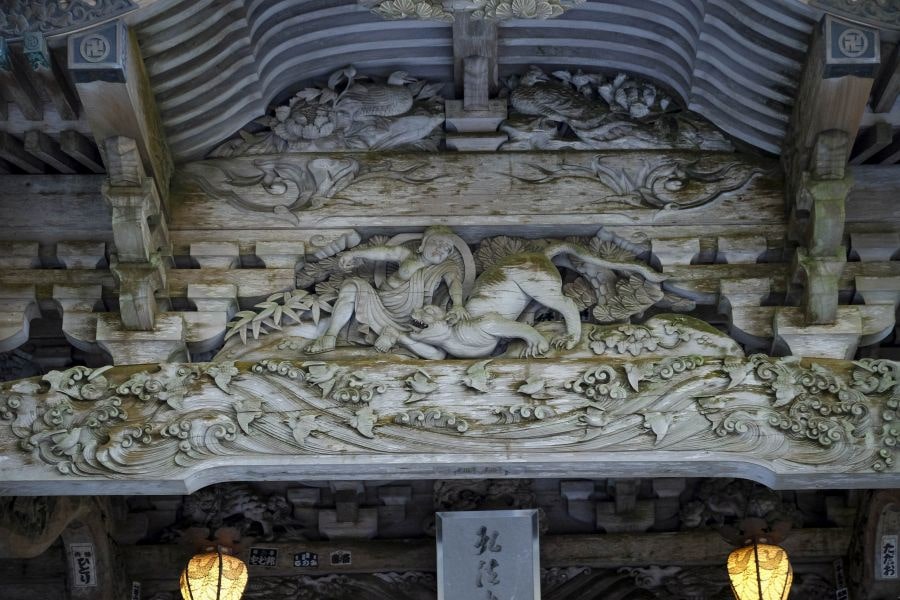
Temple 21, Tairyū-ji
Tairyū-ji is temple No. 21 on the Shikoku pilgrimage, or Henro. Located at 610 m above sea level, it’s one of the “nansho”, the difficult temples to reach on foot. Nevertheless, the climb isn’t particularly arduous. Whether you walk or take the cable car, Tairyū-ji is one of the most rewarding of the eighty-eight locations to...
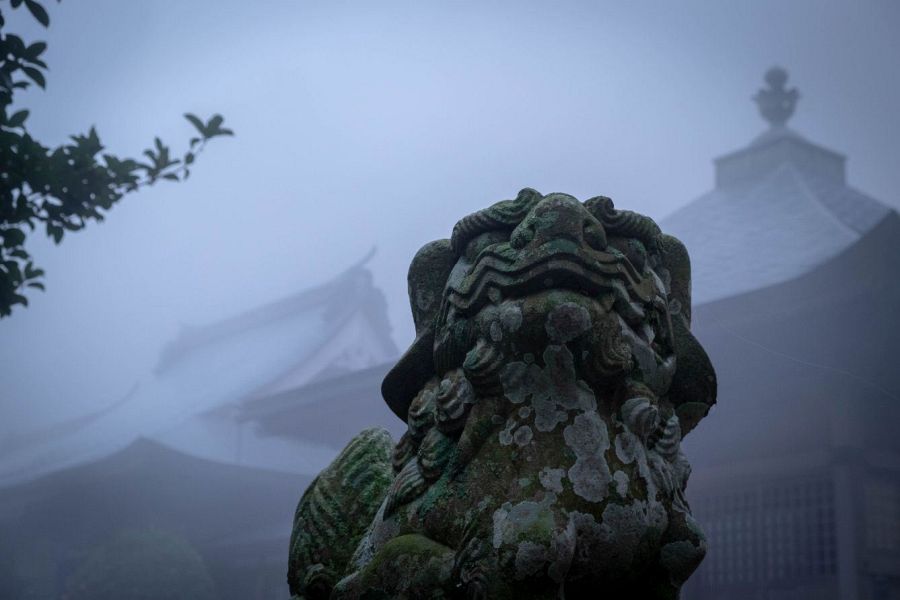
Temple 12, Shōsan-ji
Shōsan-ji is temple No. 12 on the Shikoku pilgrimage, or Henro. Located at 800 m up a mountain, it’s the second highest temple on the pilgrimage, and it’s known as a nansho, or ‘difficult place’, with a lot of up and down along the way. On a clear day, you can see all the way...
Temple 11, Fujii-dera
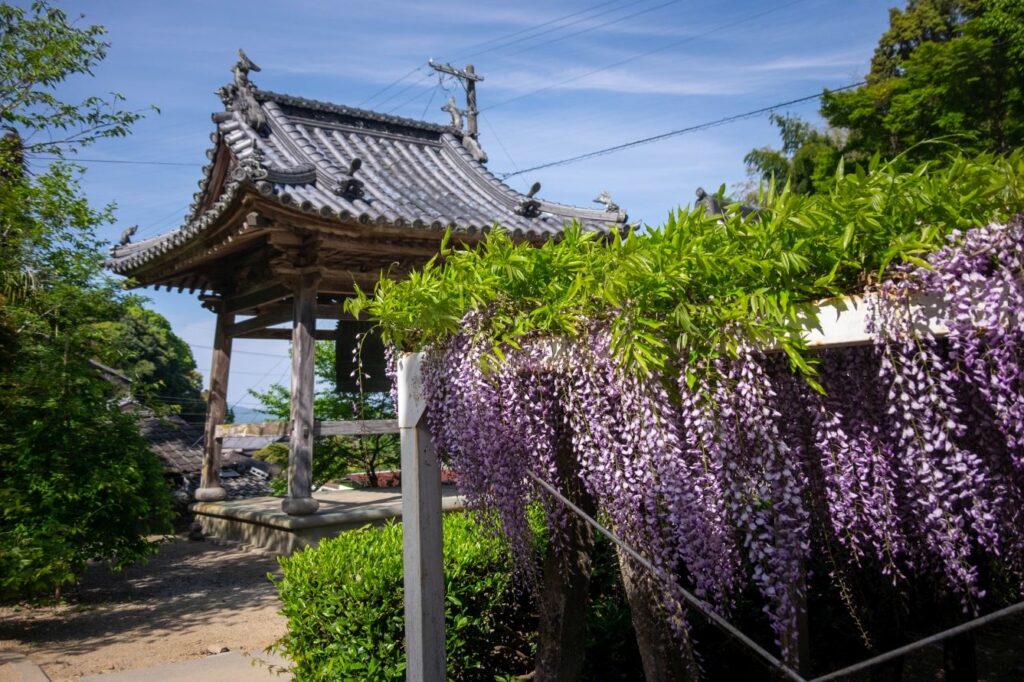
Fujii-dera is Temple 11 on the Shikoku pilgrimage, or Henro. It stands in a side valley off the Yoshino River rift valley. It takes its name from the wisteria that grows there. Of the 88 sacred sites in Shikoku, it’s the only one where the character for ‘temple’ is read “dera” instead of “ji”. What...
Temple 15, Awa Kokubun-ji
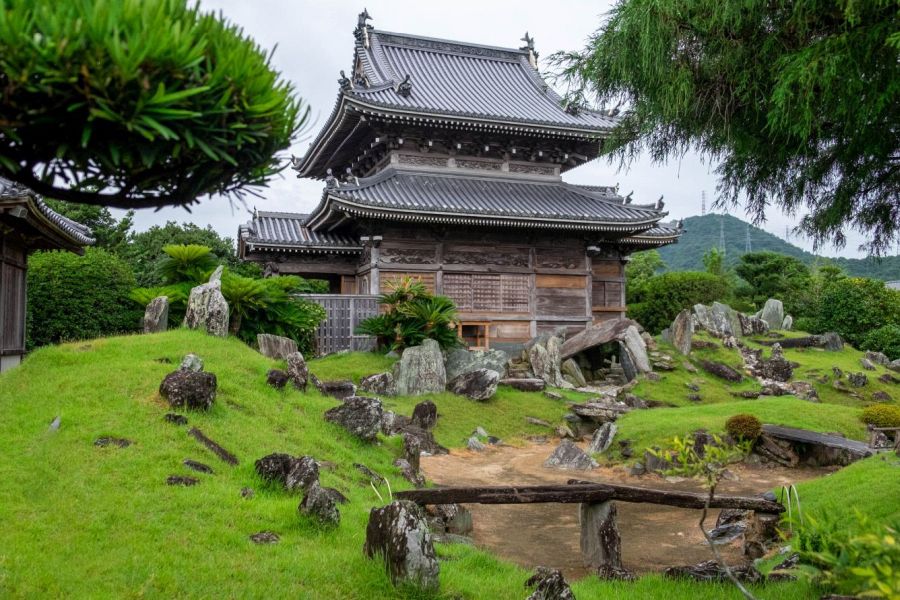
Awa Kokubun-ji is temple No. 15 on the Shikoku Pilgrimage, or Henro. It stands among rice fields on the floor of the Tokushima rift valley, not far from Tokushima city. Awa Kokubun-ji is one of only three Zen temples on the pilgrimage. The other two are Temple 11 Fujii-dera and Temple 33 Sekkei-ji. What to...
Temple 80, Sanuki Kokubun-ji
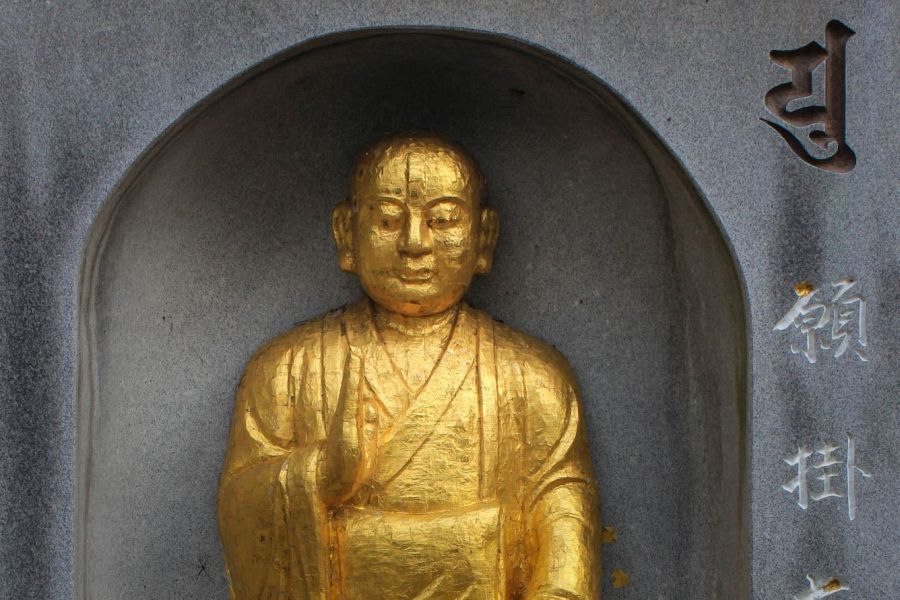
Sanuki Kokubun-ji is temple No. 80 on the Shikoku pilgrimage, or Henro. Each prefecture has a temple named Kokubun-ji, which are official state temples, founded by order of Emperor Shōmu in 741, and temple No. 80 was the state temple established in the province of Sanuki, today’s Kagawa Prefecture. The temple is home to the...
Temple 81, Shiromine-ji
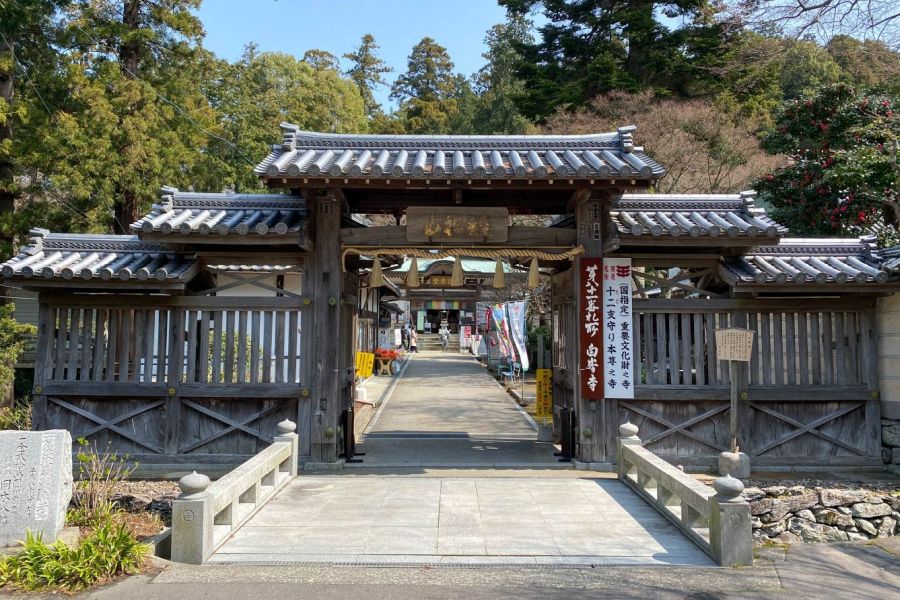
Shiromine-ji is temple No. 81 on the Shikoku pilgrimage, or Henro. The temple stands about 280 m above sea level on the hillside of Shiromine in Sakaide. It has some of the oldest buildings on the pilgrimage, dating back to the seventeenth century. It’s the site of the mausoleum of Emperor Sutoku, who is said...
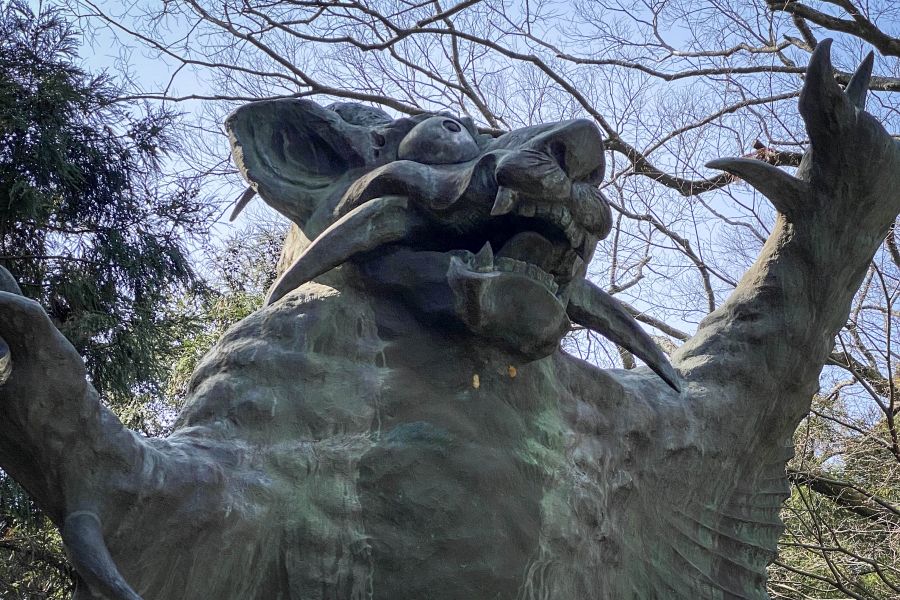
Temple 82, Negoro-ji
Negoro-ji is temple No. 82 on the Shikoku pilgrimage, or Henro. It stands on at an elevation of 365 m on the side of Mt. Aomine, part of the Goshikidai plateau overlooking the city of Takamatsu. What to see There’s lots to see at this temple, which amply rewards a visit. The trip up to...
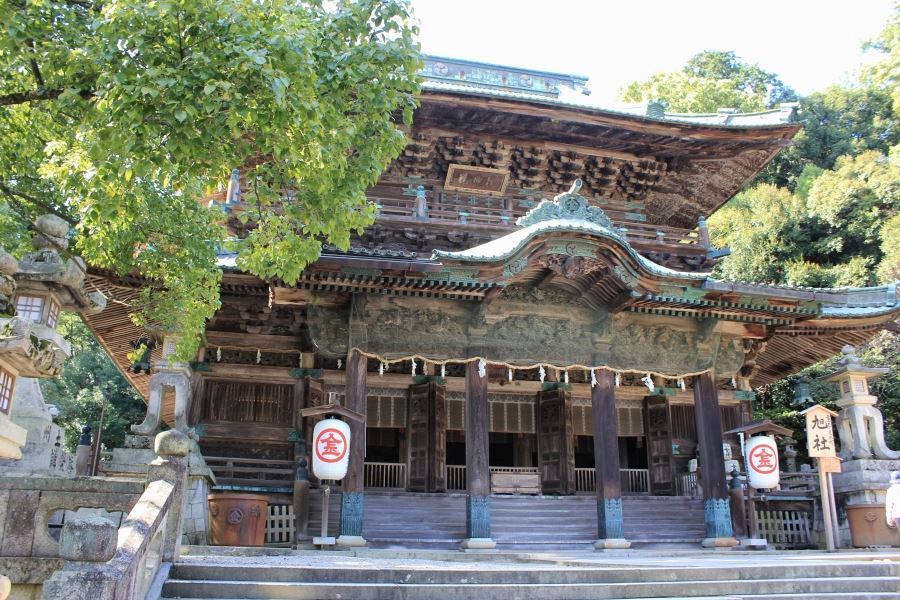
Konpira Shrine
A Shintō shrine dedicated to the patron deity of sailors and sailing.
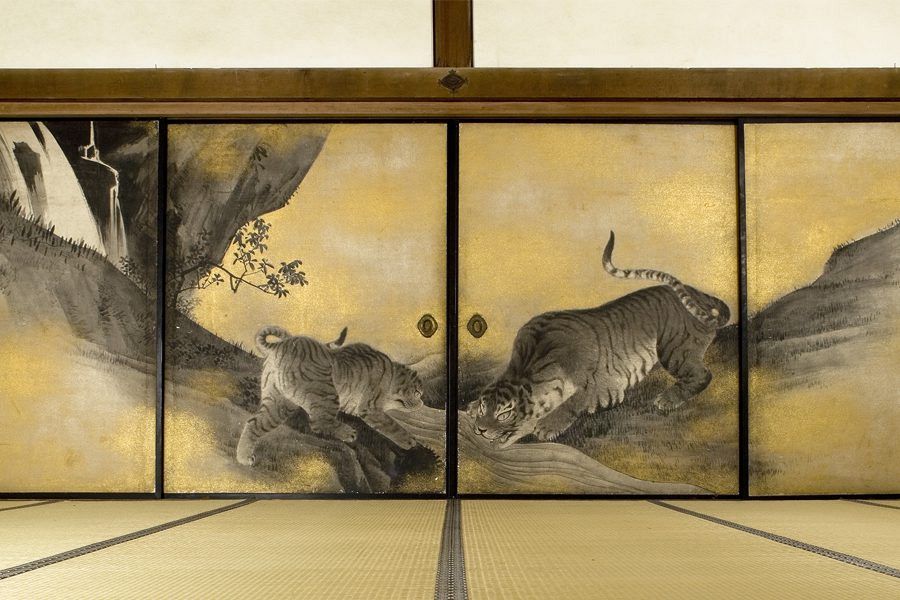
Konpira Shoin
The Shoin Treasure House in the mountainside precincts of Konpira Shrine features beautifully painted sliding doors.
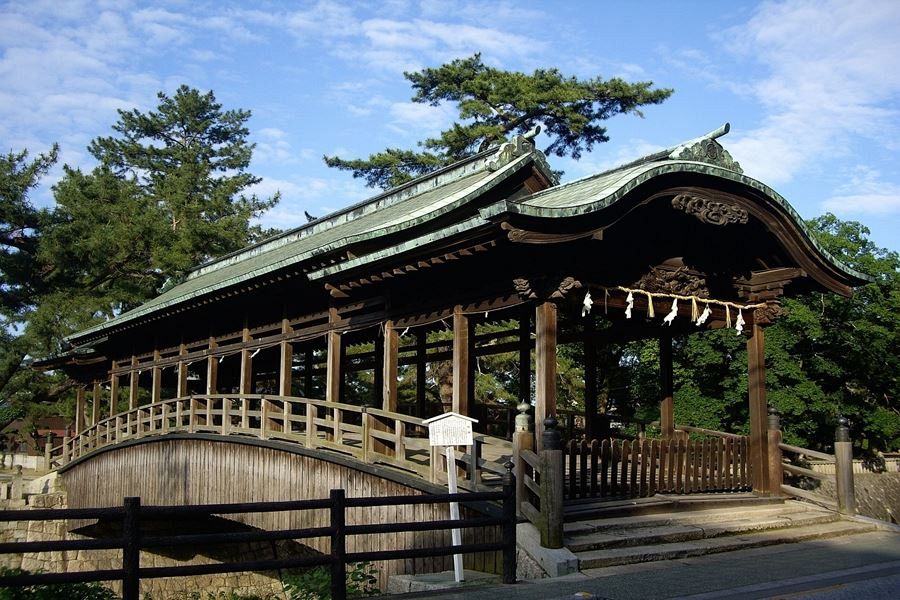
Kotohira
A small town in Kagawa, the site of Shikoku’s largest Shinto shrine complex, Konpira-san.