Lake Kussharo
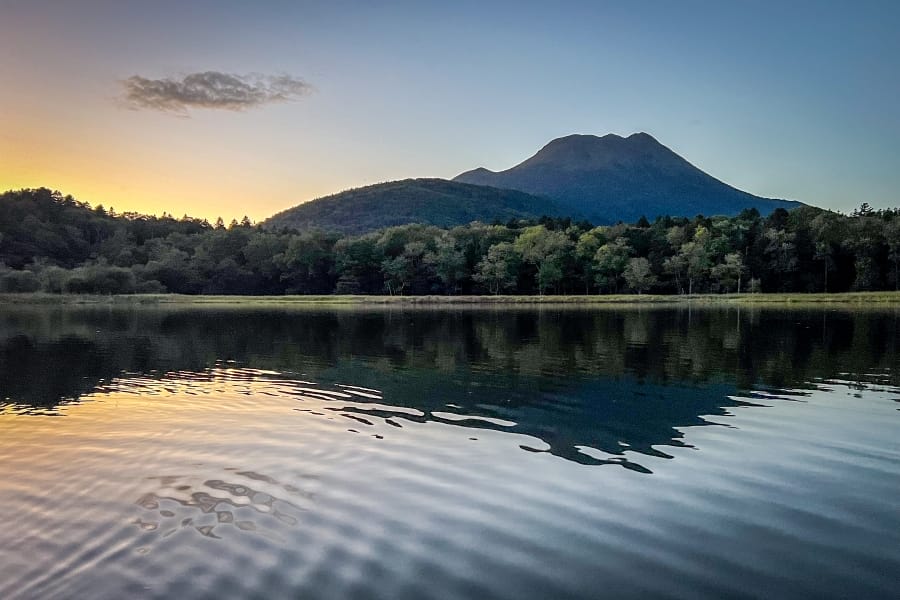
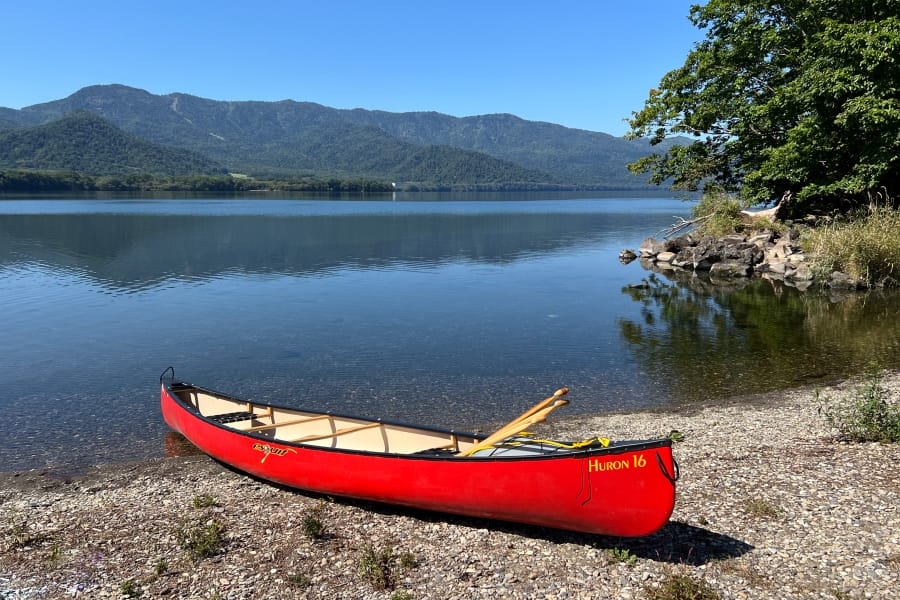
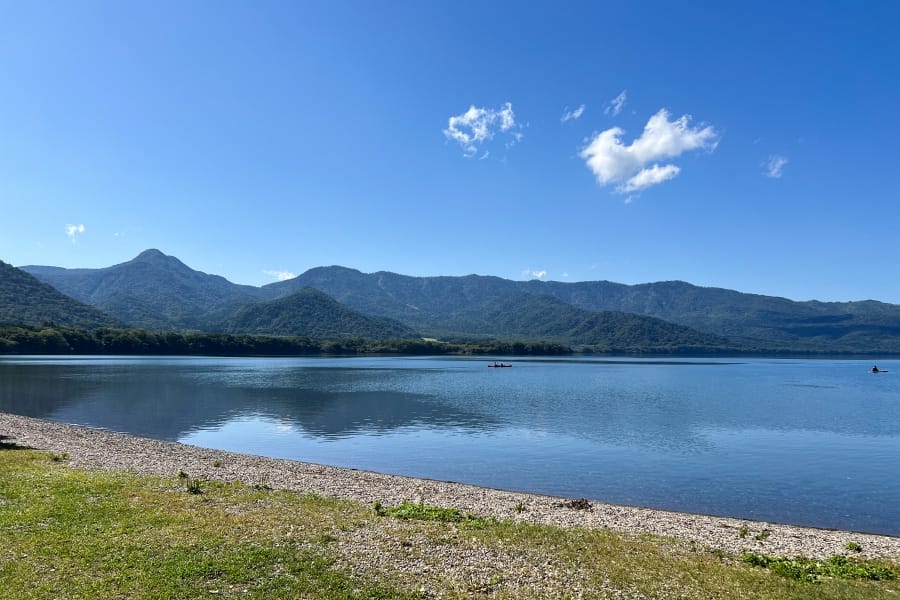
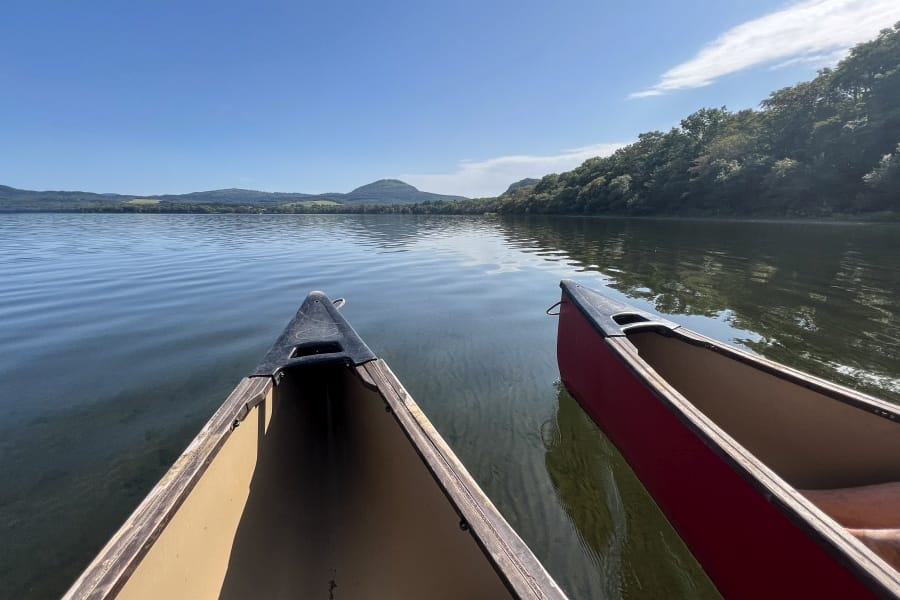
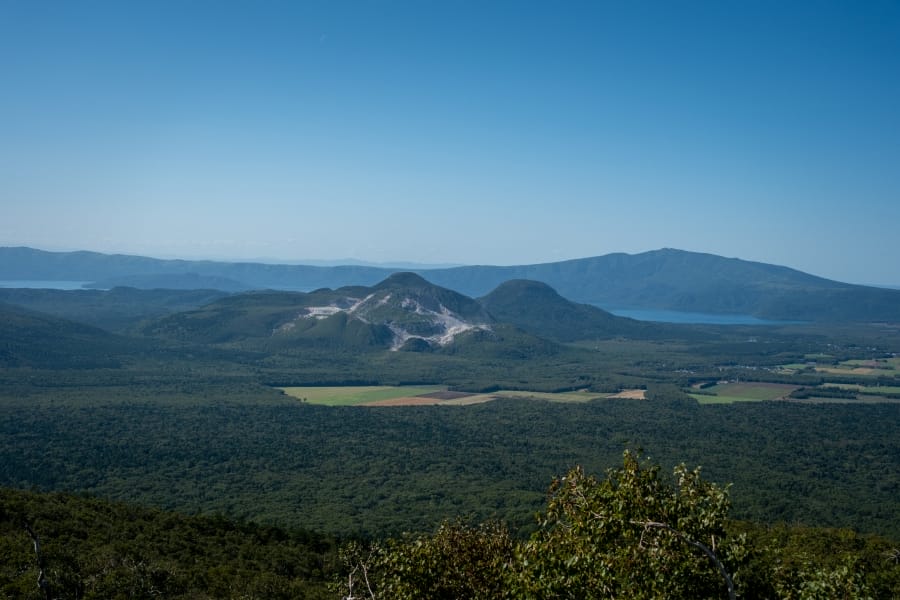
Lake Kussharo is a freshwater lake in a caldera situated within Akan-Mashū National Park. Spanning nearly eighty square kilometres, the body of water occupies a massive volcanic depression created by eruptions around thirty thousand years ago. Geothermal activity along the shoreline prevents ice from forming in several areas, creating open water even during sub-zero winter months.
The beautiful Kushiro River flows from the southeastern edge of the lake, extending 154 kilometres all the way to Kushiro on the Pacific Ocean.
Sunayu and the lakeside thermal springs
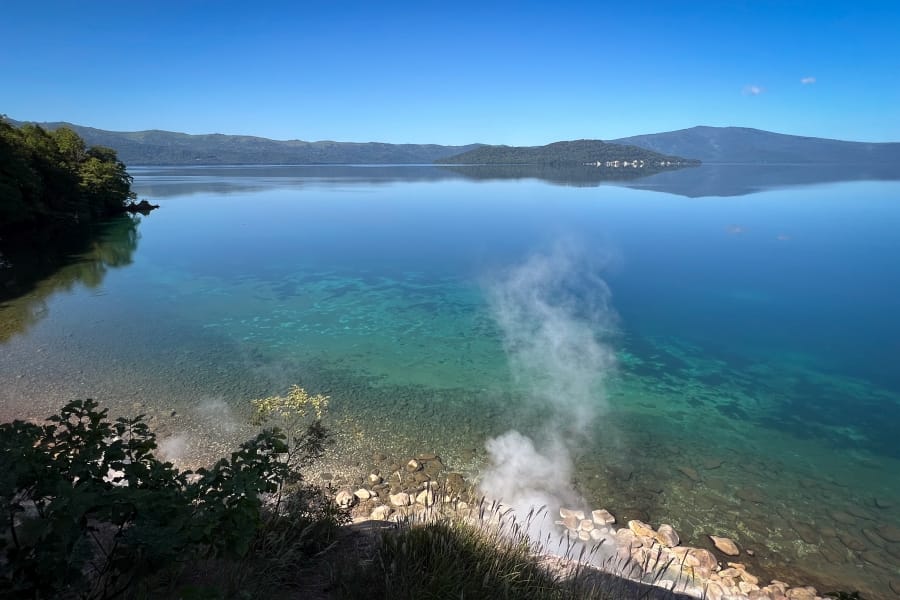
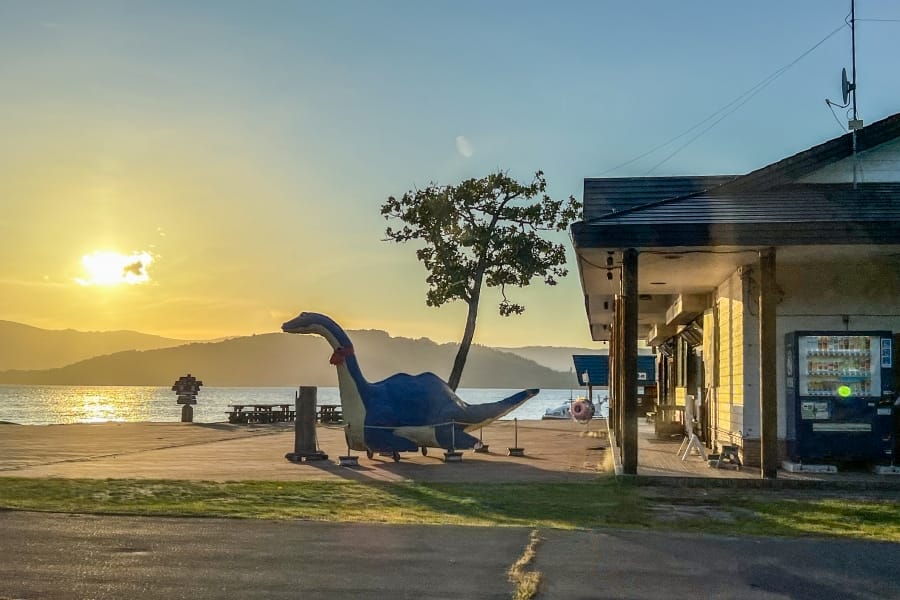
Sunayu sits on the eastern shore of Lake Kussharo, where volcanic ground heat reaches the water’s edge. The name translates directly from Japanese as “sand bath”. Digging into the shoreline gravel reveals hot thermal water bubbling up through the sand, allowing people to construct shallow makeshift footbaths beside the cool lake surface. Wooden benches and open-air bath infrastructure stand along the treeline above the beach.
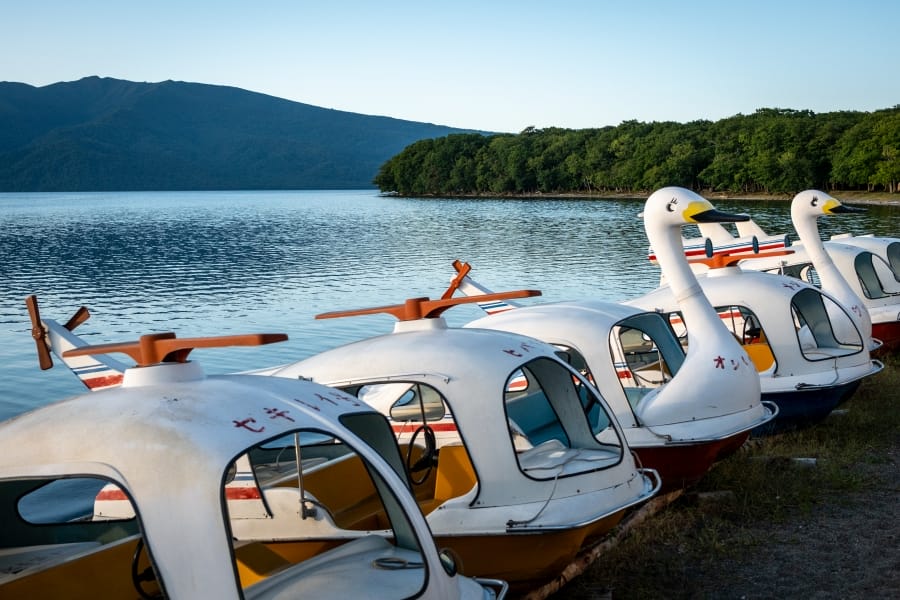
During the winter season between November and April, geothermal heat keeps the water along Sunayu free of ice while the rest of the lake surface freezes solid. Hundreds of whooper swans migrate to Lake Kussharo from Siberia during these months, concentrating in the shallow, warm waters along Sunayu. The birds wade and swim close to the gravel banks, feeding on aquatic plants where the thermal currents prevent ice sheets from expanding across the bay.
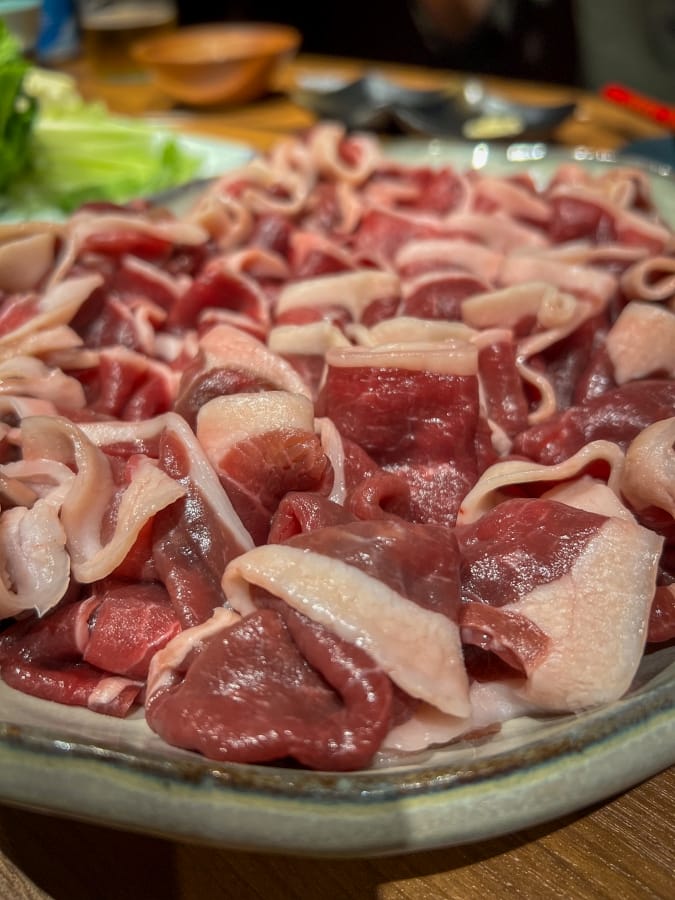
The accommodation and onsen facilities in this area offer an excellent selection of food, including gibier, game meat, particular venison and boar.
Wakoto Peninsula
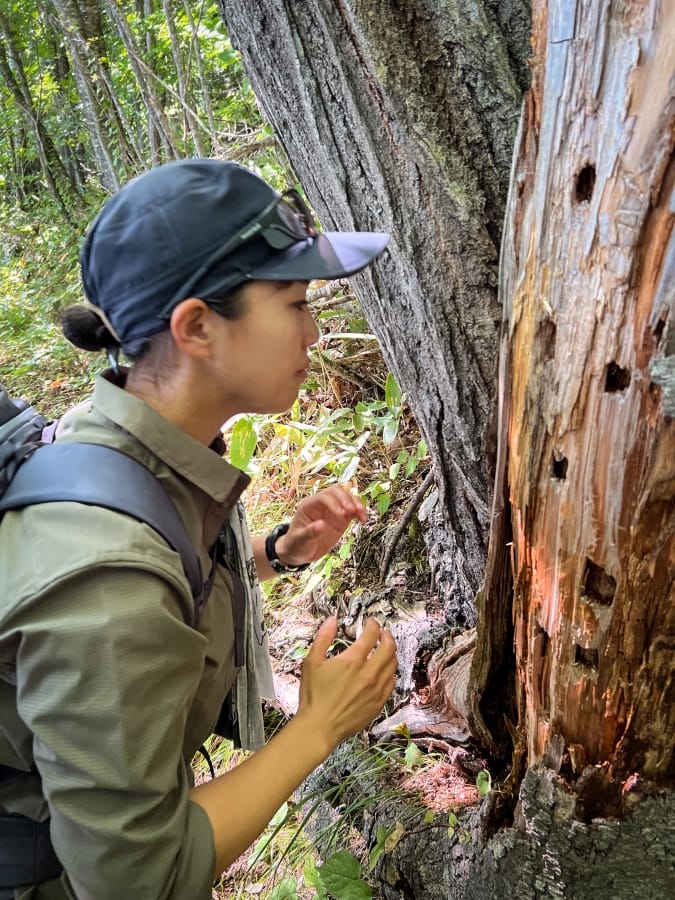
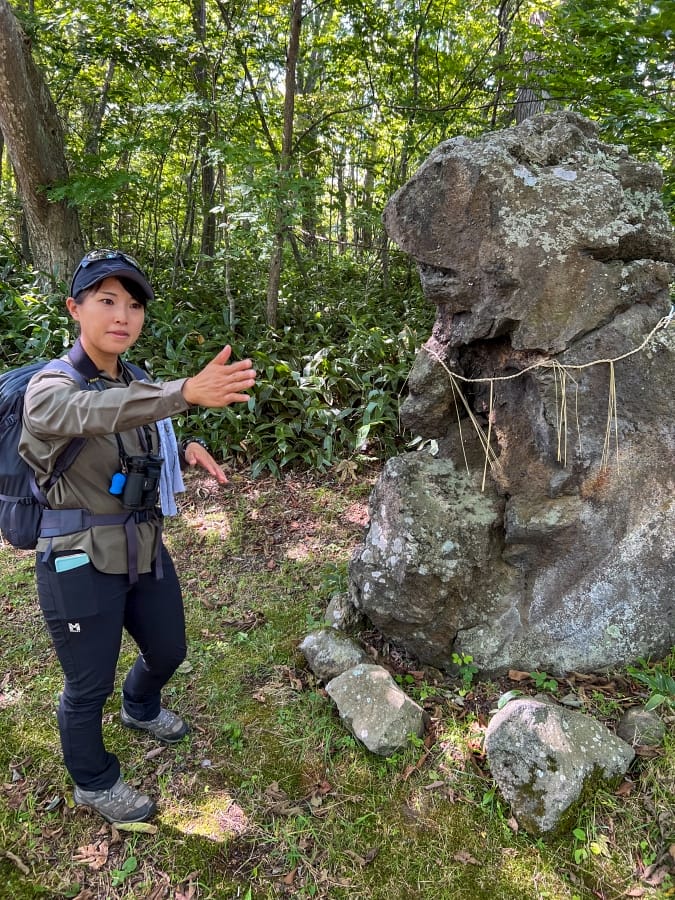
Wakoto Peninsula projects into the southern section of Lake Kussharo as a volcanic landform covered in mixed broadleaf and coniferous forest. A circular nature trail measuring 2.5 kilometres follows the perimeter of the peninsula, traversing forest terrain above rocky lake margins. Because thermal vents warm the subterranean soil, the peninsula maintains a slightly higher ground temperature than the surrounding countryside, enabling species such as the minmin-zemi cicada to survive far north of its typical range.
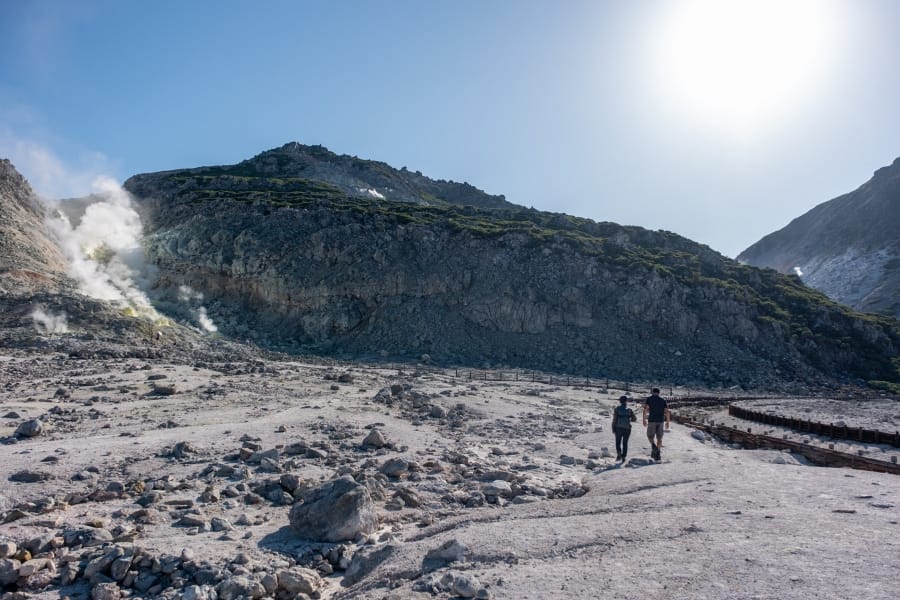
At the tip of the peninsula lies Oyakotsu Jigoku, an area of active geothermal vents where steam and sulphur gases rise continuously from fissures in the volcanic rock. At the base of the peninsula, open-air hot spring baths (rotenburo) sit along the water’s edge, fed directly by natural thermal sources. Volcanic gas bubbles rise through the shallow water surrounding the peninsula’s rocky shores, keeping the adjacent bays free of winter ice.
Bihoro Pass and the caldera rim
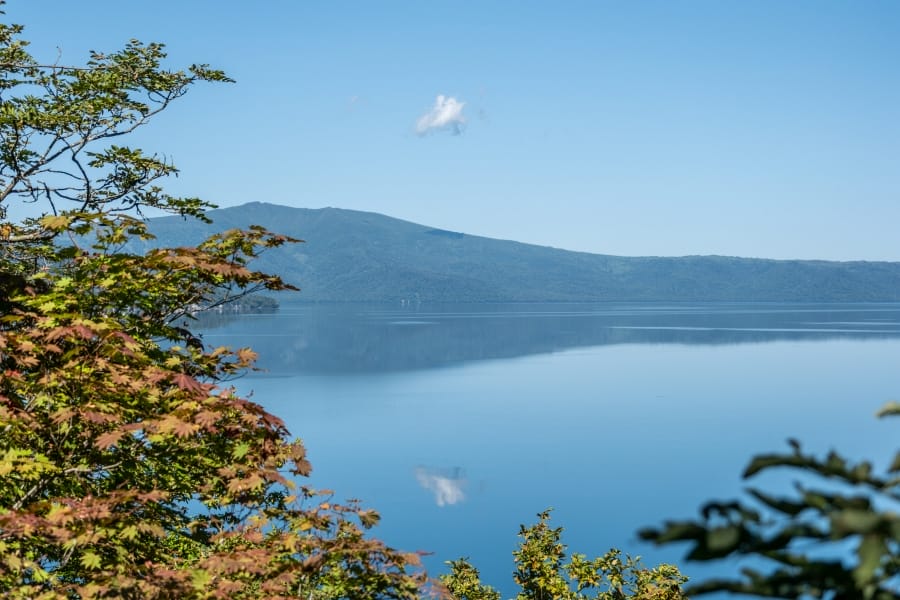
Bihoro Pass climbs the western wall of the caldera along Route 243 at an elevation of 525 metres above sea level. An observation deck and rest station sit at the high point of the pass, looking down across the entire expanse of Lake Kussharo. The view encompasses Nakajima, a central volcanic island measuring four kilometres across that emerged from the lakebed during post-caldera eruptions.
The elevated position on the caldera rim reveals the physical scale of the surrounding mountain walls, including Mt. Mokoto to the north. During autumn mornings between September and October, temperature inversions frequently trap moisture within the caldera, filling the basin beneath Bihoro Pass with a dense sea of clouds (unkai). As the sun rises, the cloud layer slowly dissipates to uncover the water below.
The Kusshie lake monster legend
In August 1973, reports emerged of a large aquatic creature swimming in Lake Kussharo. Local residents and tourists reported sighting a dark humped form, estimated at ten to twenty metres in length, moving through the water near the shoreline. The creature was named Kusshie by the local community, following the naming conventions popularised by aquatic cryptid reports worldwide during that decade.
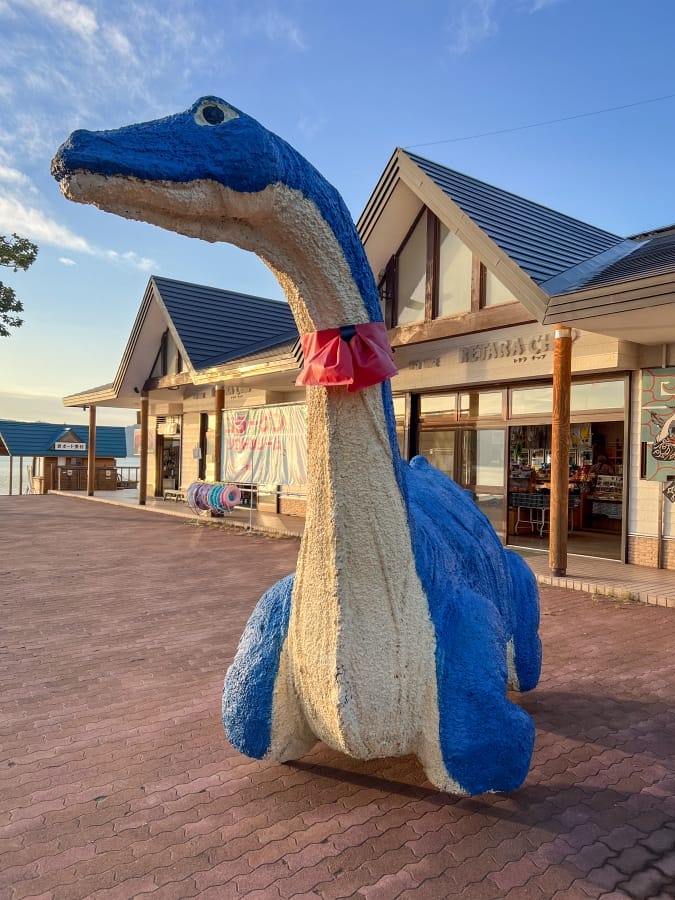
Subsequent reported sightings peaked during the mid-1970s and early 1980s, including an account in 1975 by a group of school students and an operational sonar scan that detected a large underwater object moving through the deep central basin. A green fiberglass statue representing Kusshie stands near the lakeside amenities at Sunayu, depicting a serpentine aquatic reptile. Local shops in Teshikaga stock Kusshie-themed souvenirs and educational displays regarding the history of the lake’s folklore.
Information
Name in Japanese: 屈斜路湖
Pronunciation: ku-sha-ro-ko
Address: Kussharo, Teshikaga, Kawakami District, Hokkaidō 088-3341