Kushiro
Kushiro is a major port city on Hokkaidō’s south-eastern coast, situated between the Pacific Ocean and the vast floodplains of the Kushiro Marsh. Developed during the late nineteenth century as a coal-mining, timber, and commercial fishing centre, it serves today as the principal industrial, transport, and administrative hub for the eastern region of the island.
The city and harbour
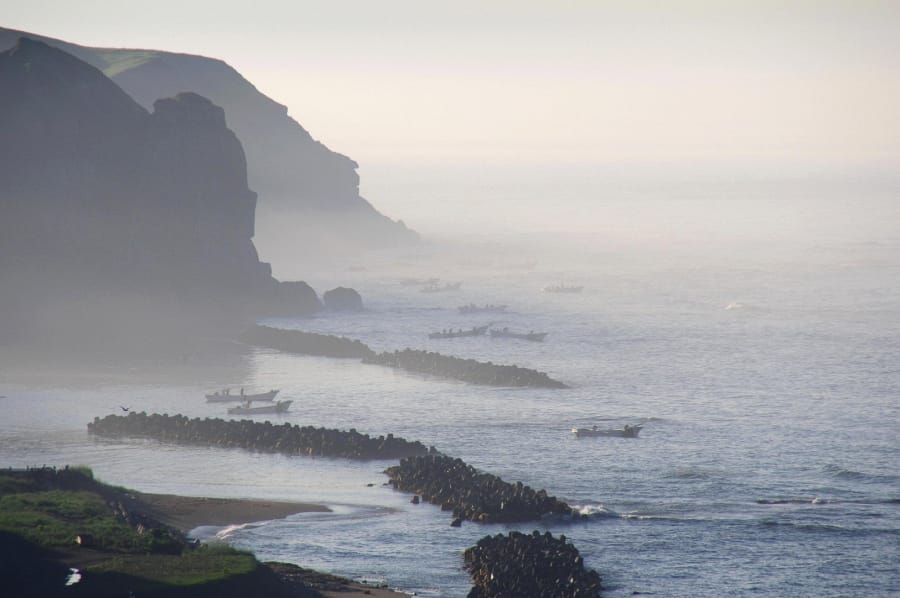
The urban grid fronts a working harbour dominated by fish markets, cold-storage warehouses, and shipping terminals. At its centre stands Nusamai Bridge, a heavy steel structure spanning the Kushiro River that connects the northern commercial quarters with the southern administrative districts. Along the waterfront below the bridge, the Kushiro Fisherman’s Wharf MOO complex houses seafood stalls and casual eateries where local crews and residents eat seafood grilled over open charcoal troughs. Inland, the narrow alleyways of the Sakaemachi district retain rows of modest bars established during the height of the mid-twentieth-century pelagic fishing boom. Coastal fog, formed by warm air passing over the cold Oyashio Current, sweeps across the streets throughout spring and summer, cloaking the harbour infrastructure in a thick grey haze.
Kushiro Wetland and native wildlife
Beyond the urban streets lies the Kushiro Wetland, Japan’s largest remnant peatland system, extending over 220 square kilometres across the floodplains of the Kushiro and Setsuri rivers. The protected terrain consists of reed beds, sedge marshes, and alder swamps that support diverse subarctic wildlife. A network of raised wooden boardwalks and elevated viewing platforms skirts the outer margins of the marsh, allowing access to the peat formations without disrupting the hydrology. This marshland is the permanent breeding ground of the red-crowned crane, a species that faced near-extinction due to habitat loss and hunting during the Meiji period. Local farmers discovered a small surviving flock in the frozen marshes during the winter of 1952 and began feeding them unhusked corn, establishing a sanctuary system that now sustains several hundred resident cranes year-round across feeding stations at Tsurui and Akan.

Industrial heritage and urban museums
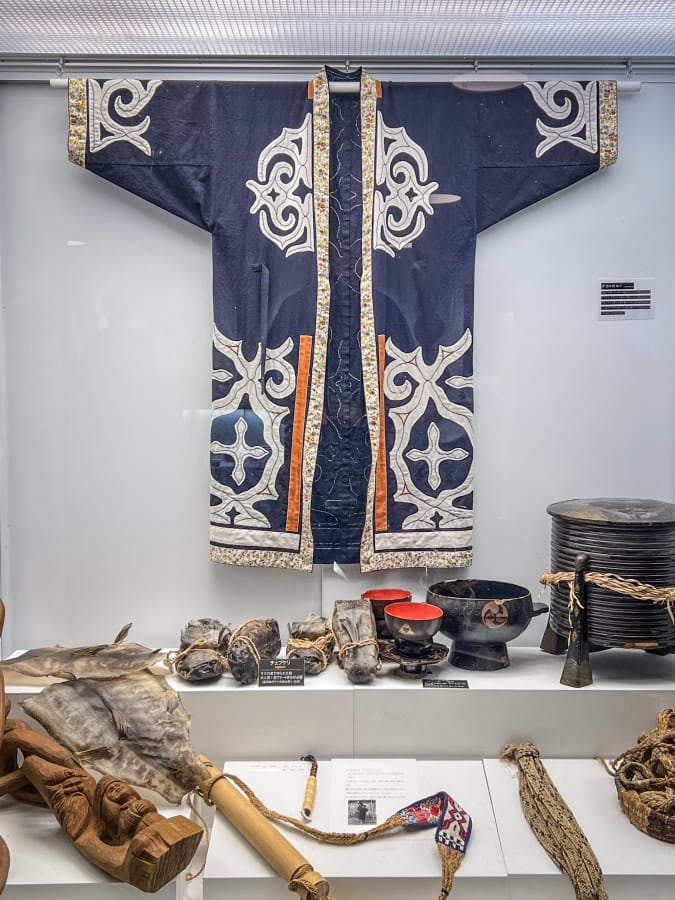
In the hills south of the harbour, the Yonemachi district preserves the early industrial heritage of the port. A timber-framed lookout tower stands on the cliff edge where sentries once scanned the Pacific for incoming fishing vessels and coal barges. Nearby, the Kushiro City Museum occupies a concrete building designed by architect Kuryū Akira, its curved façade modelled after the outstretched wings of a crane taking flight. Inside, exhibits trace the region’s natural history alongside indigenous Ainu ethnography, displaying salmon-skin boots, woven elm-bark garments, and archaeological artifacts recovered from local shell mounds. Displays also cover the development of the Pacific Coal Mine—Japan’s last remaining operational undersea coal mine—where coal seams extending beneath the seabed off the coast have been mined continuously since 1920.
Lake Akan and volcanic surroundings
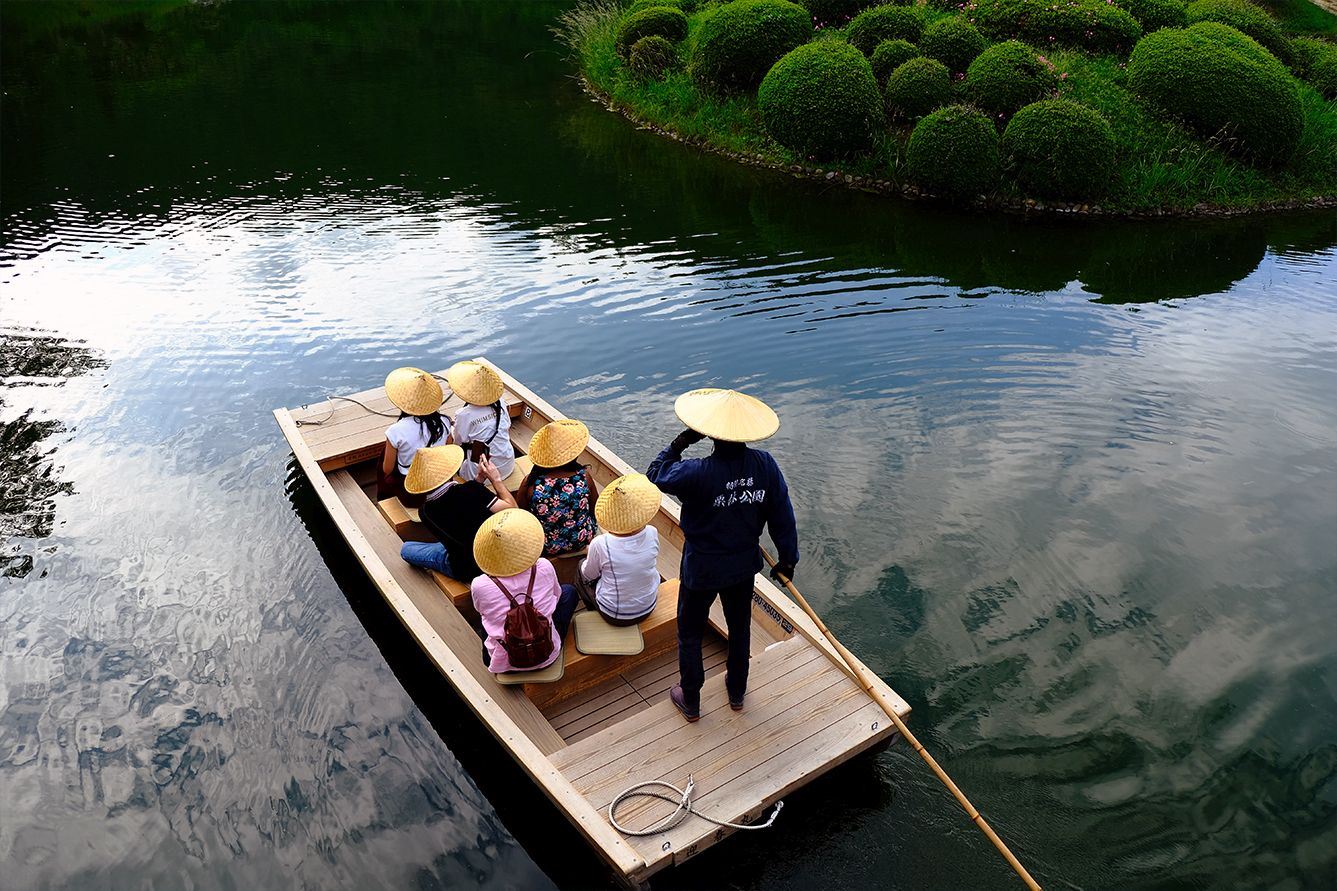
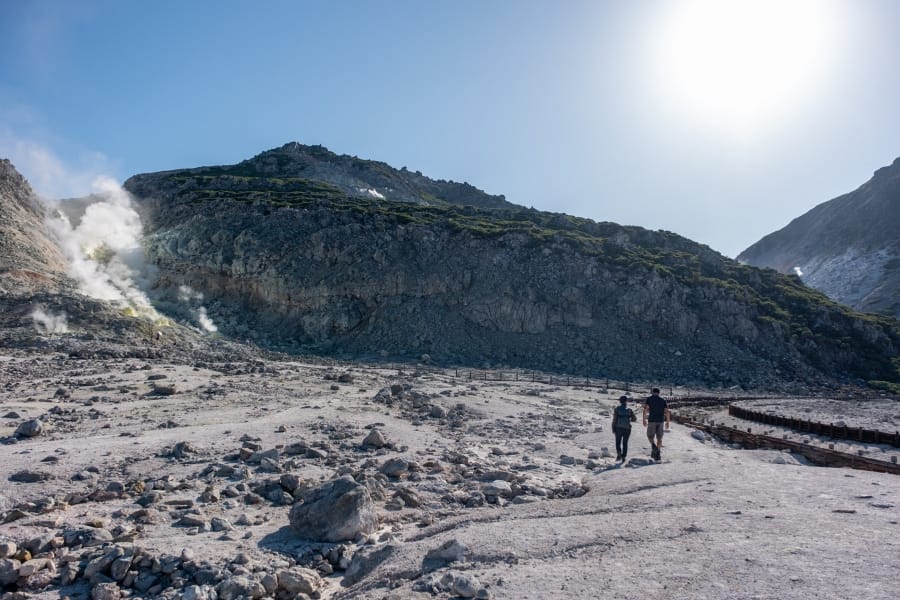
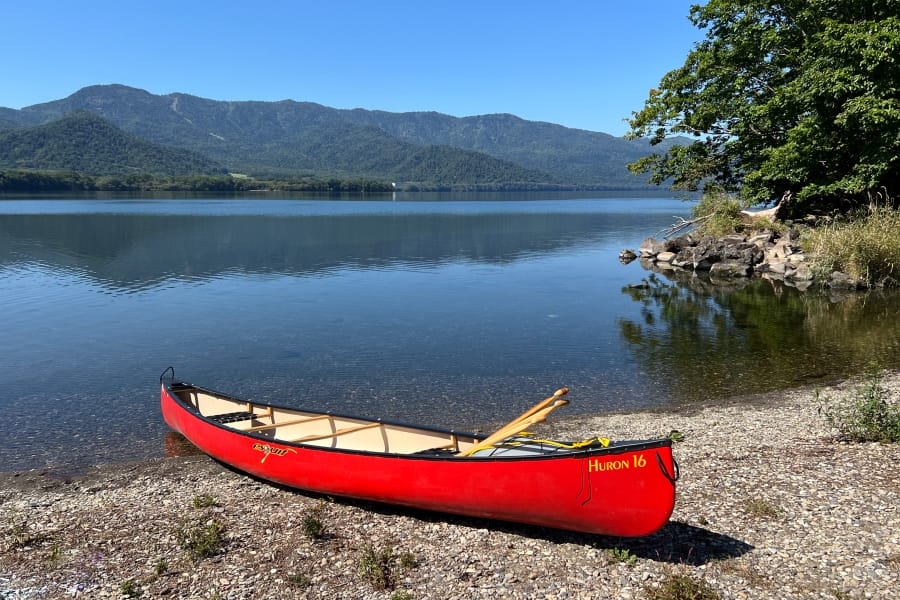
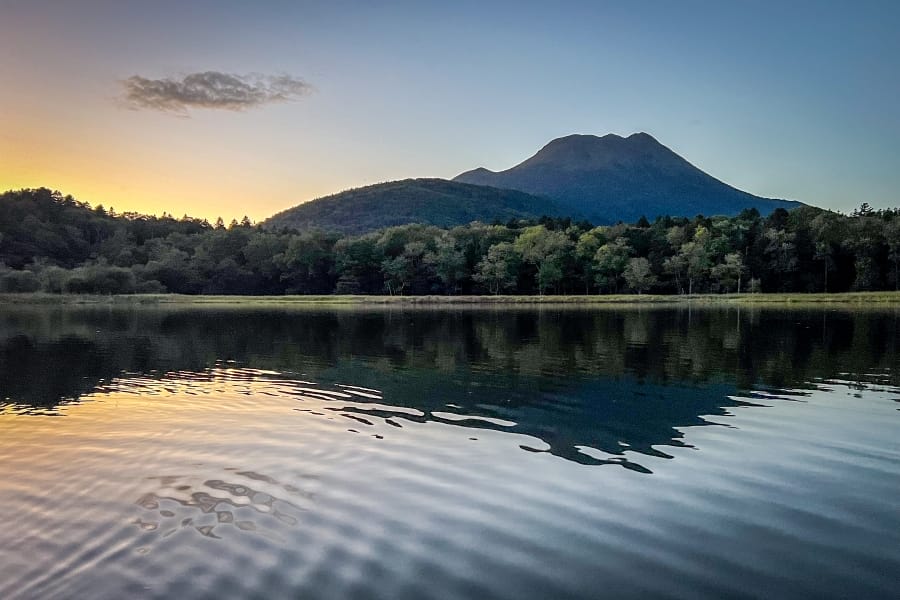
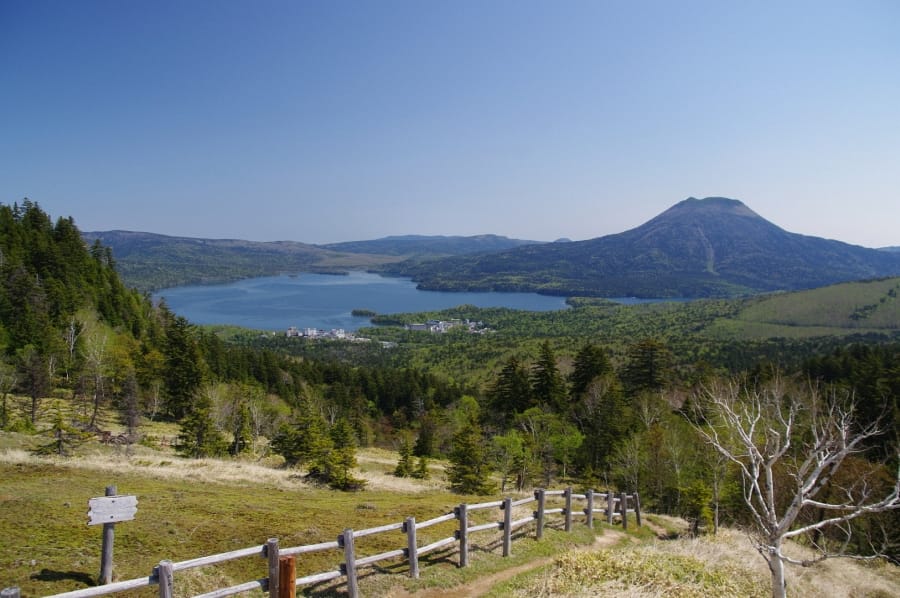
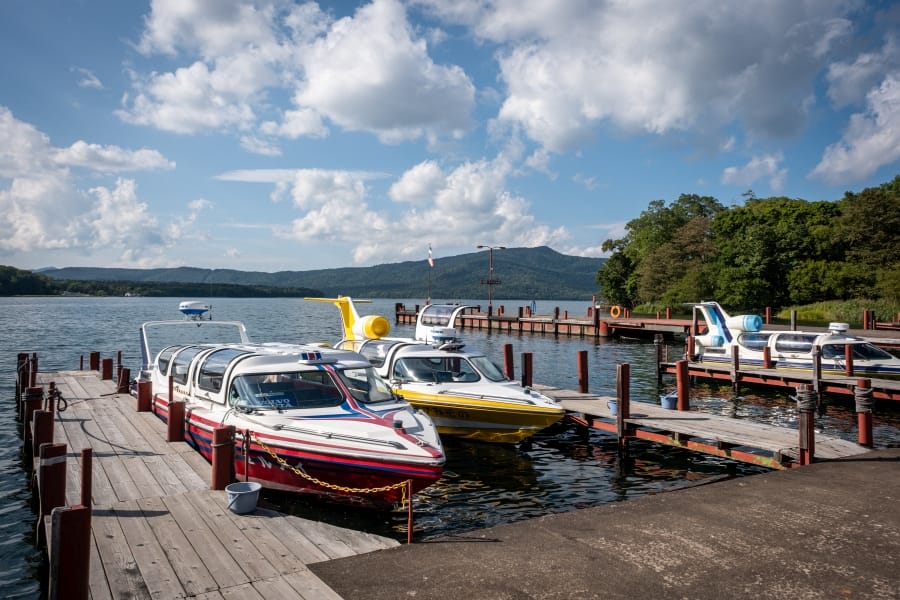
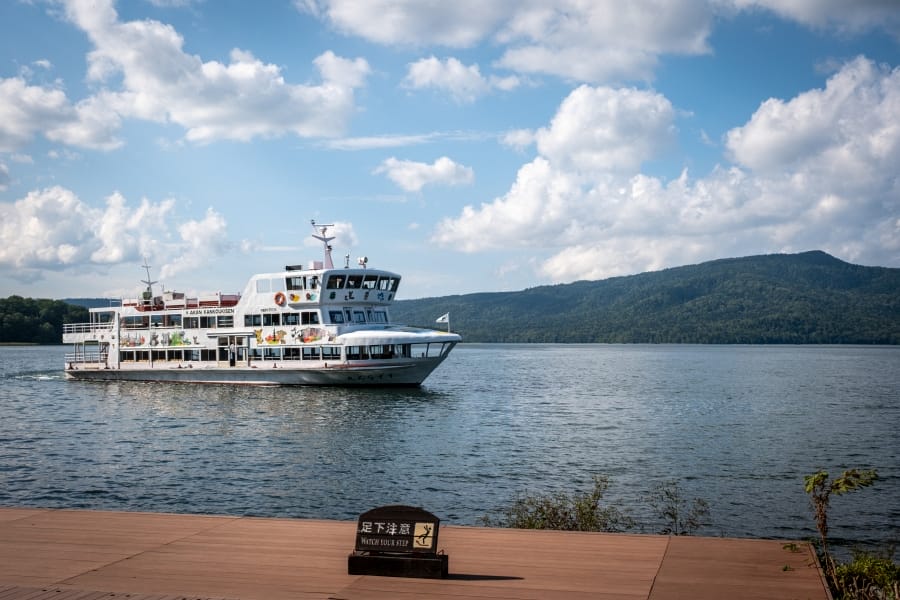
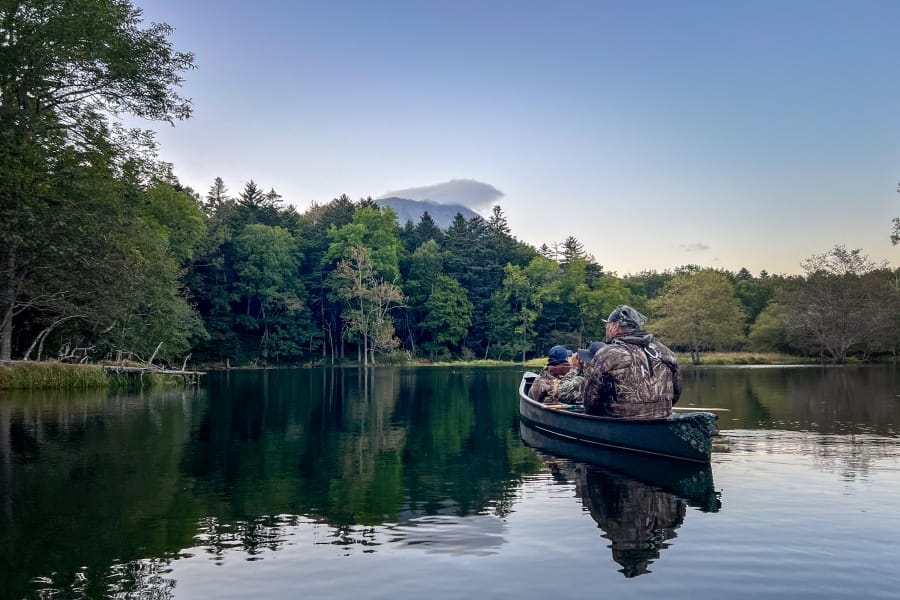
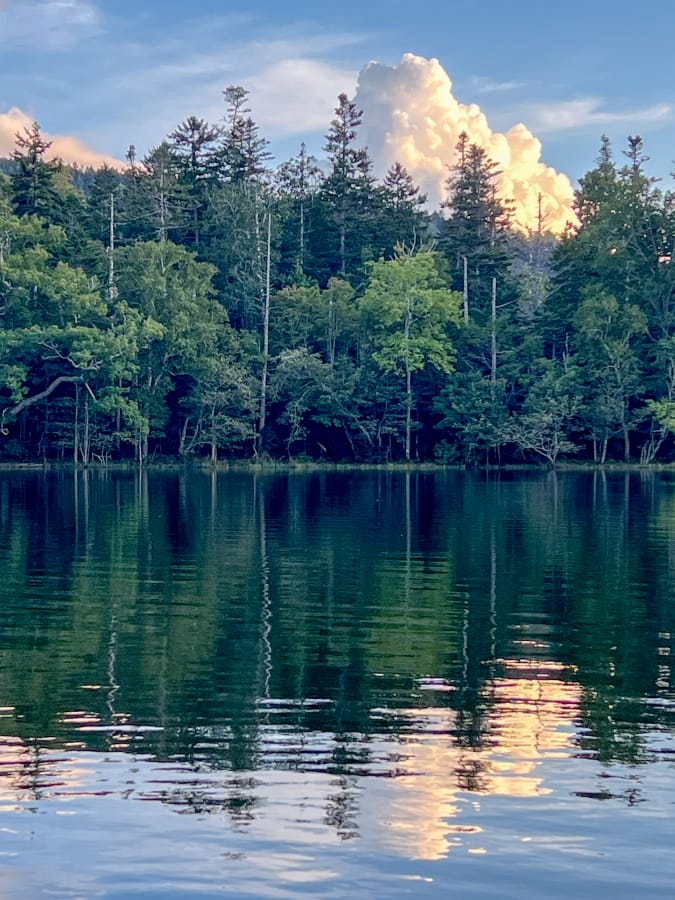
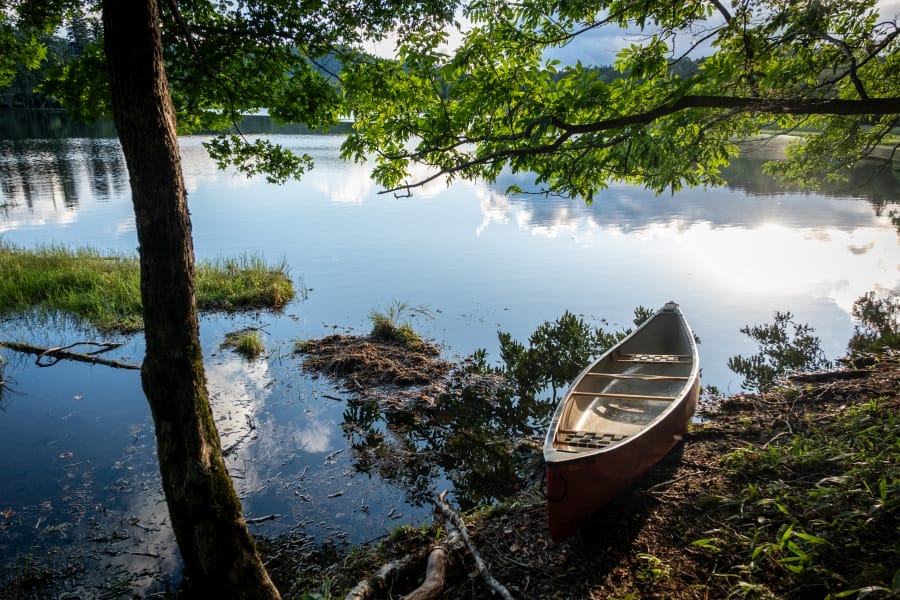
Lake Akan is a large caldera lake inside Akan-Mashū National Park, approximately seventy kilometres north-west of the city centre. Formed inside a volcanic depression, the water body spans nearly thirteen square kilometres and reaches depths of forty-four metres. Four islands rise from its surface, surrounded by dense subalpine forests of Sakhalin fir, Yezo spruce, and Japanese stone pine. The shallow southern bays provide a protected habitat for marimo, rare globular aggregations of green algae that form velvety spheres as underwater currents roll them along the sandy bottom. Boat tours operate from the main resort settlement along the southern shore, carrying passengers to Churui Island, where an observation centre houses glass tanks displaying mature specimens up to thirty centimetres in diameter. Thermal activity from the surrounding volcanoes feeds hot springs across the lakebed and along the shoreline, creating mud volcanoes that bubble grey clay and steam near the forest walking tracks.
Lake Akan Ainu settlement
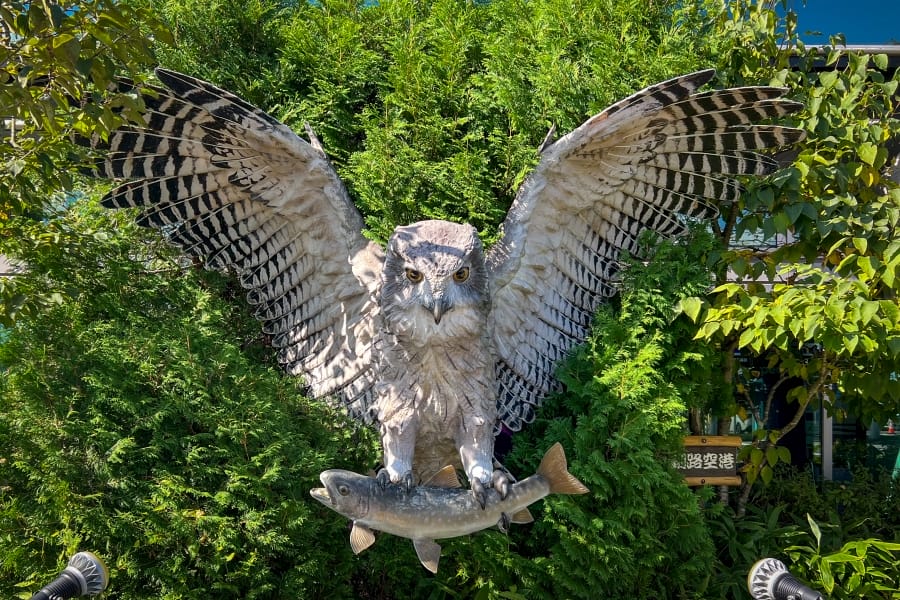
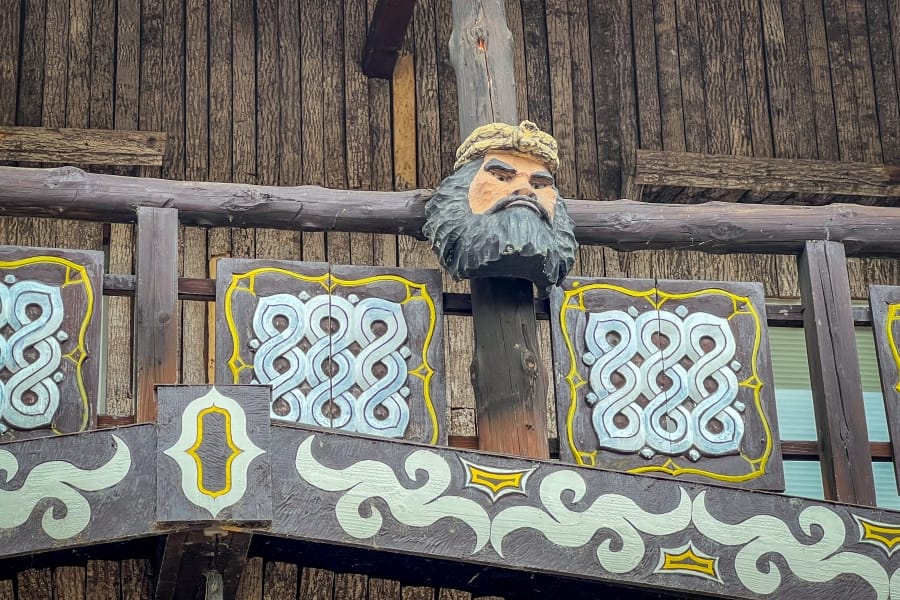
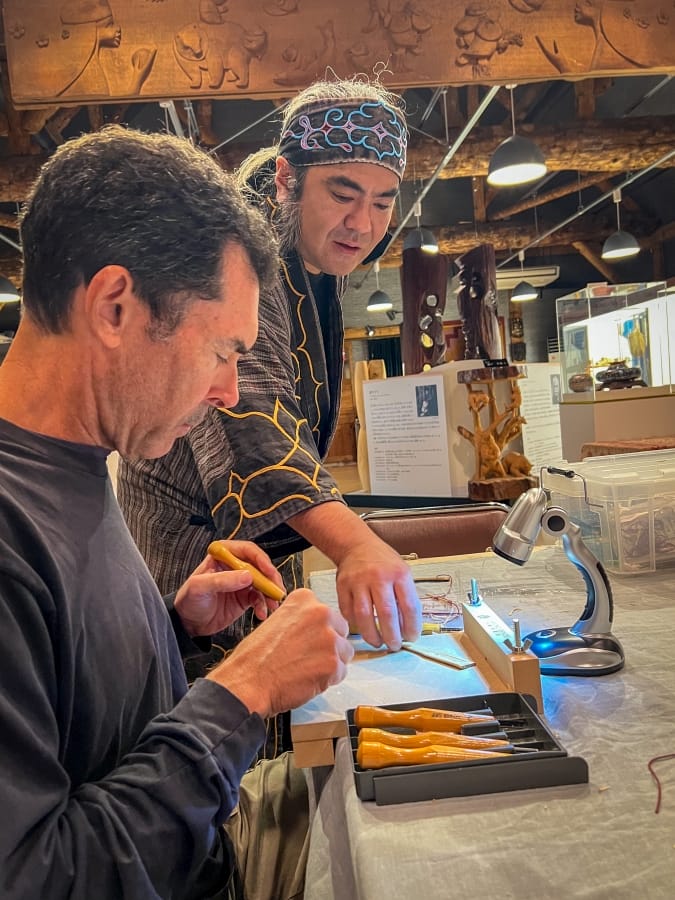
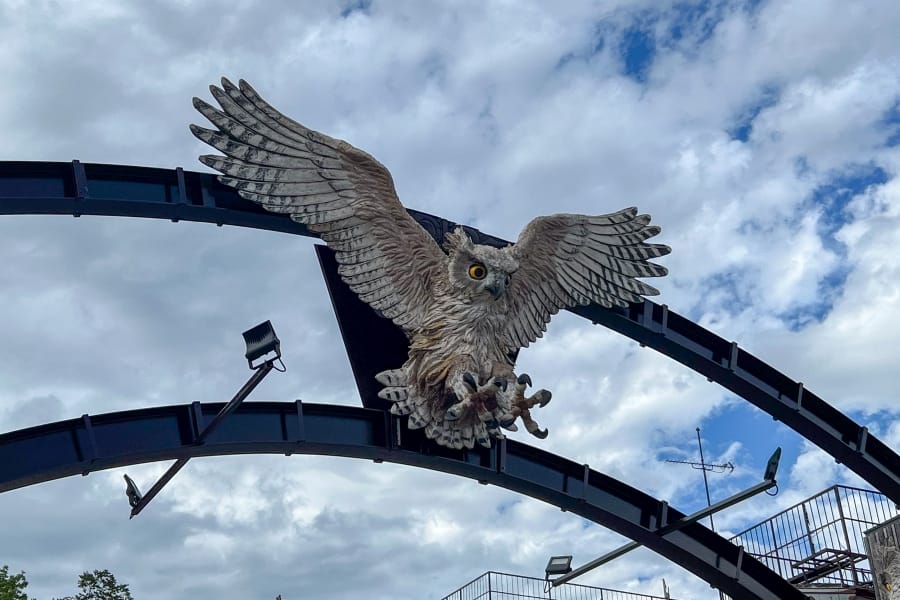
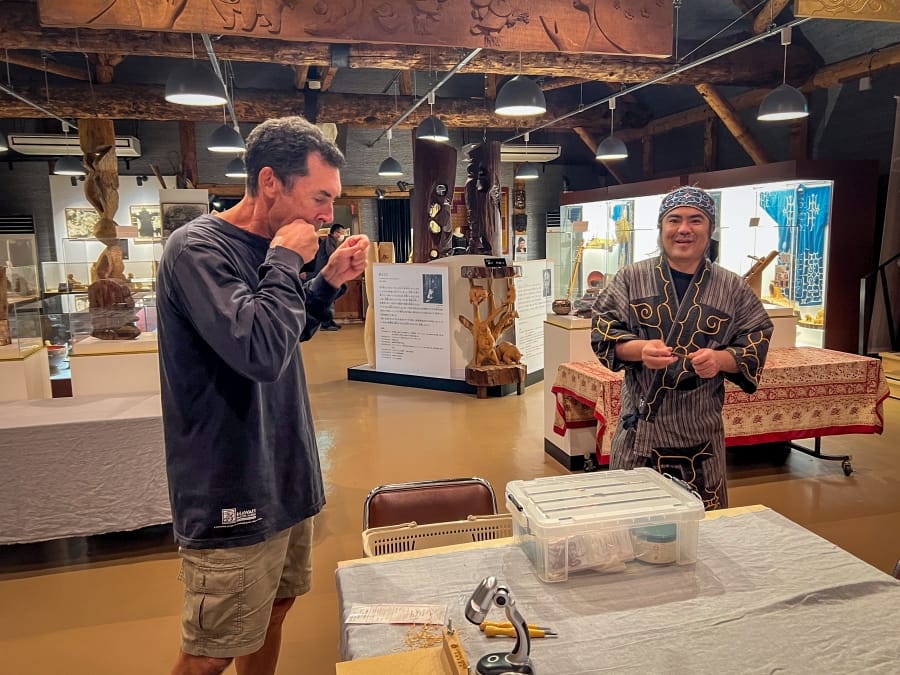
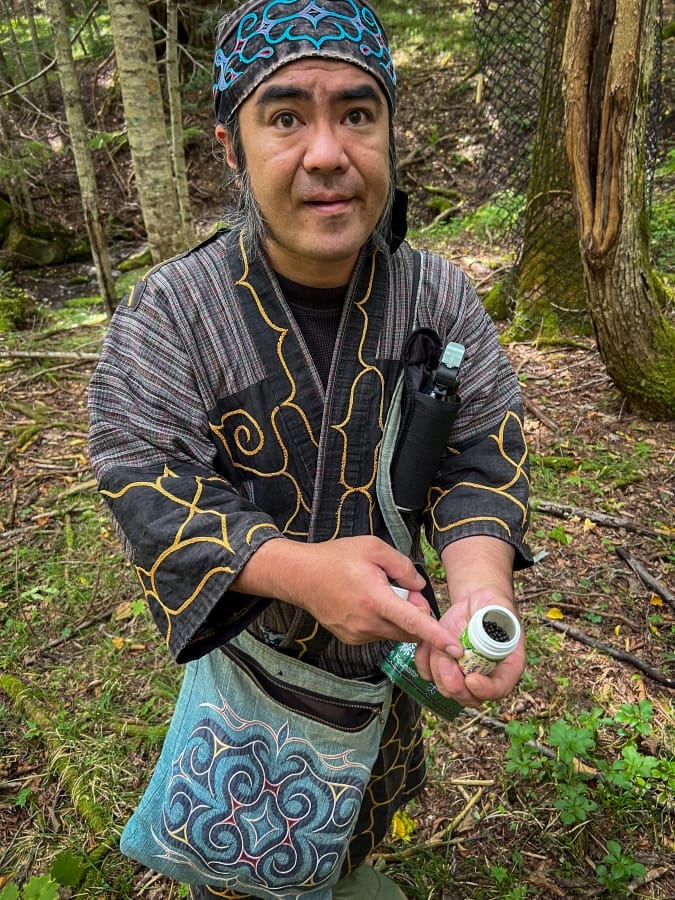
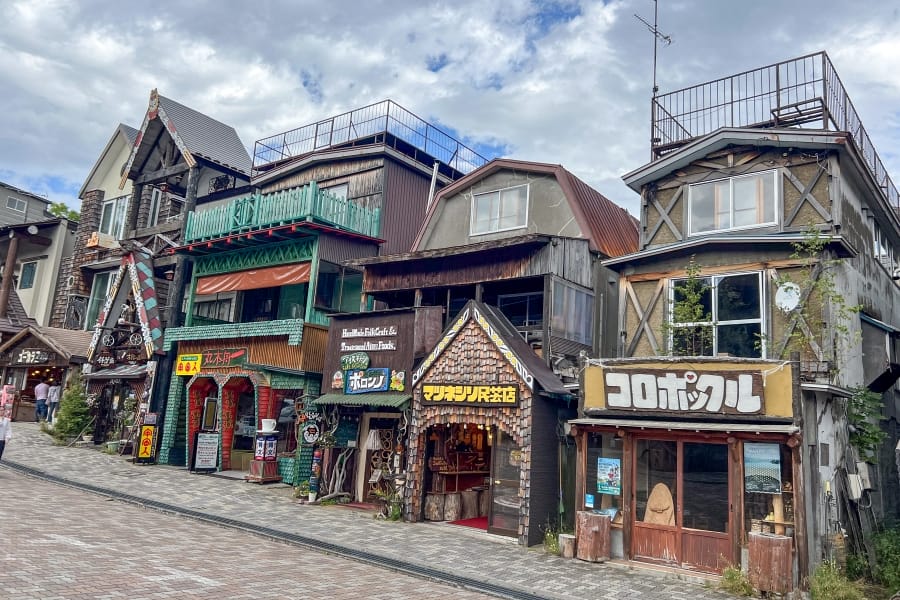
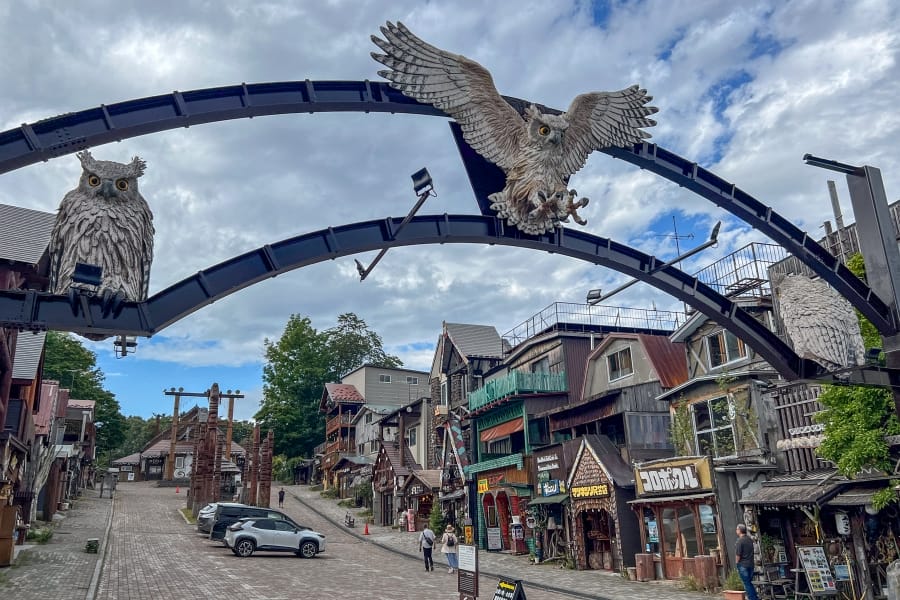
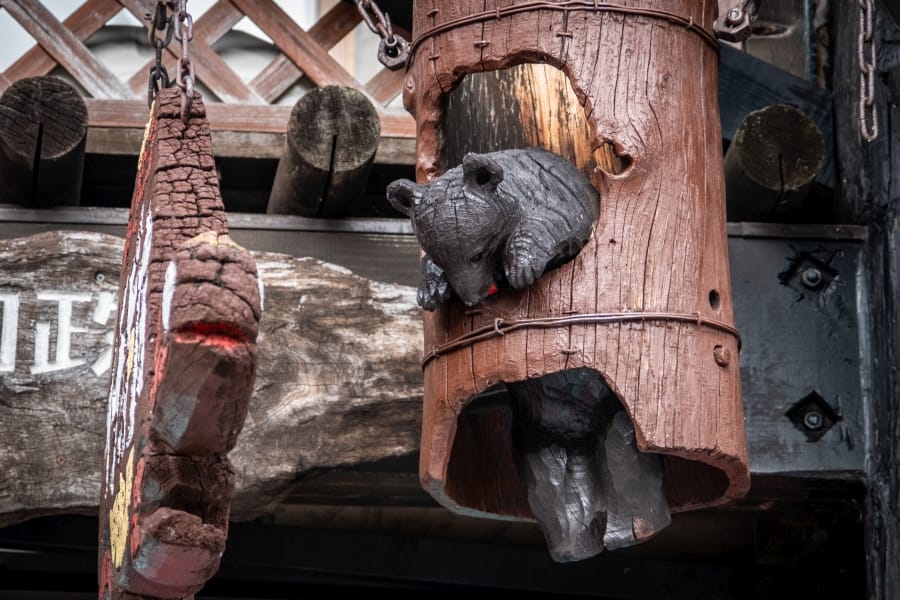
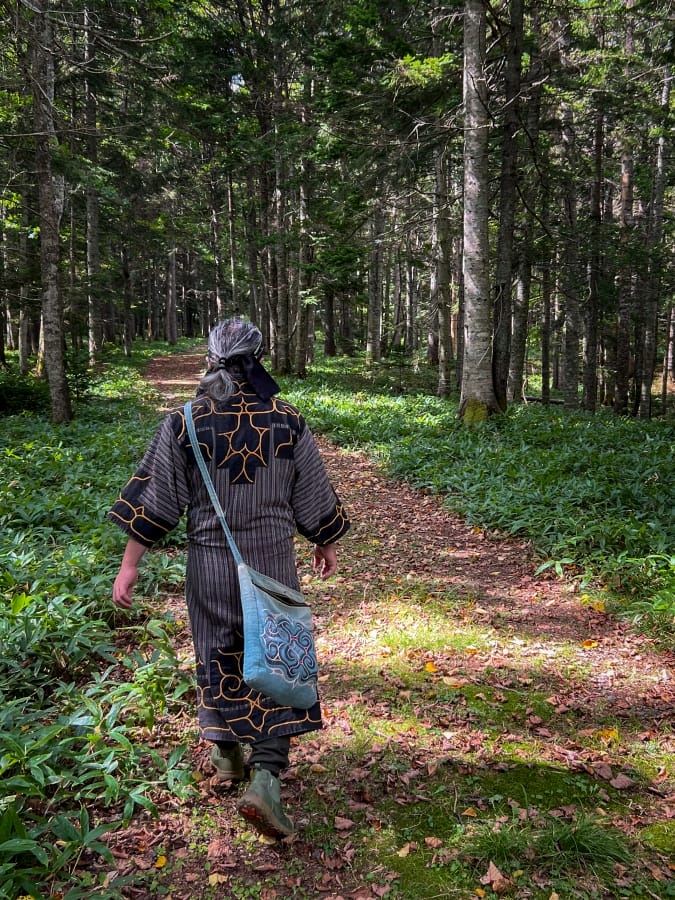
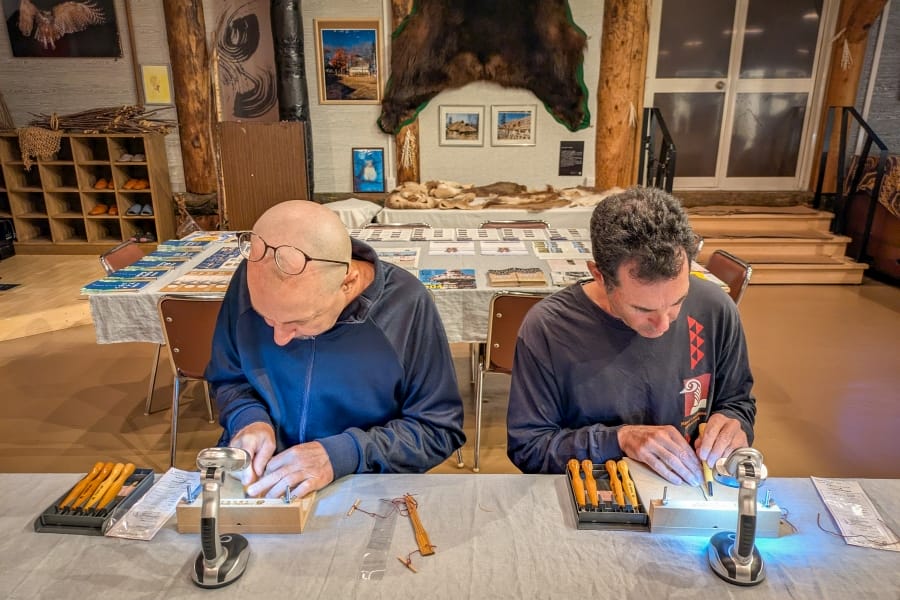
Along the south-eastern shore of the lake lies Akanko Ainu Kotan, an indigenous Ainu settlement home to around one hundred residents across thirty households. The village takes the form of a broad, gently sloping pedestrian avenue lined with timber workshop buildings, leading upwards towards a central square dominated by a wooden sculpture of a Blakiston’s fish owl. Craftsmen work in open-fronted studios carving mountain alder, Japanese lime, and yew into traditional implements, ceremonial vessels, and relief panels. The shopfronts display hand-woven textiles made from elm-bark fibre, decorated with geometric embroidered patterns to ward off malevolent spirits. At the top of the central avenue, the Lake Akan Ainu Theater Ikor hosts performances of traditional dancing, song, and oral epic recitation. The indoor theatre incorporates an earthen-floored stage set with a central hearth, where performers use traditional instruments like the mukkuri (a bamboo jaw harp) and the tonkori (a plucked five-stringed zither).
Cultural history and seasonal festivals
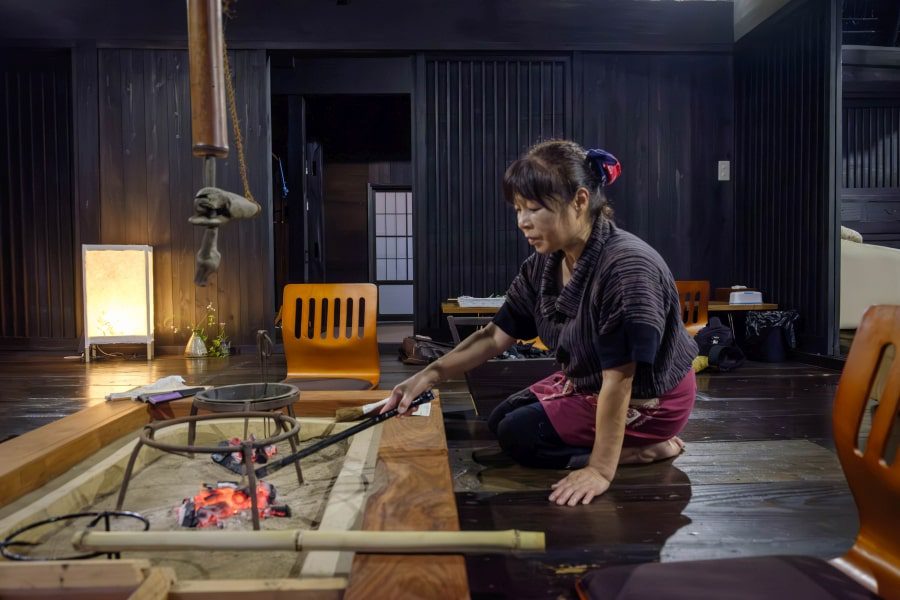
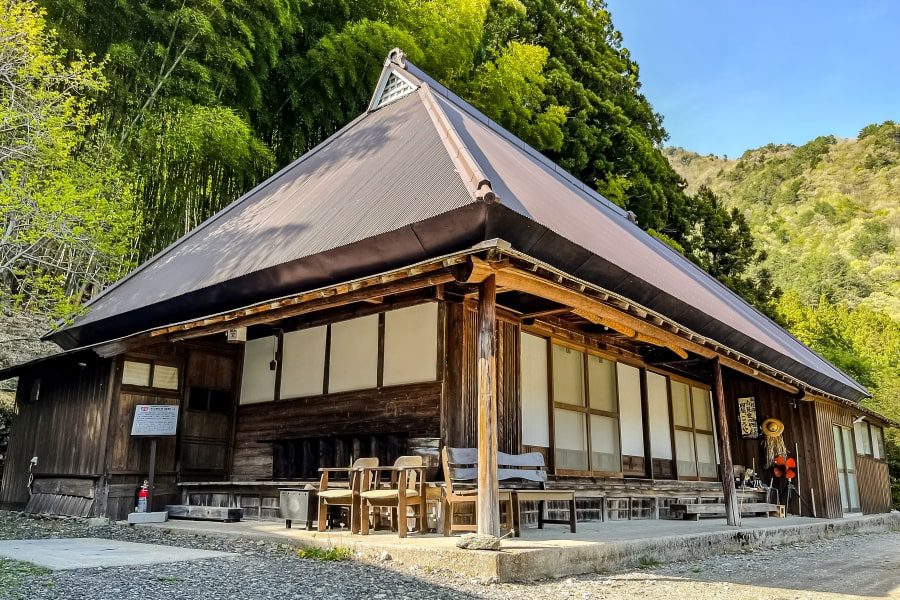
The settlement’s development reflects the modern history of Ainu cultural survival and community organisation in central Hokkaidō. In the early twentieth century, as timber, fishing, and agricultural expansion displaced Indigenous communities across the island, Ainu families from various regions settled along the shores of Lake Akan. In 1953, local elders established a permanent land arrangement with local conservationists to secure residential and cultural space, building thatched houses to preserve their building traditions, language, and spiritual practices. Today, the village operates the Ainu Living Culture Museum inside a reconstructed reed-thatched dwelling. The interior contains an open fire pit beneath a suspended timber drying rack, lined with carved wooden prayer sticks, salmon-skin boots, and ceremonial swords. Outside the dwelling, a timber storehouse sits elevated on log stilts capped with smooth wooden discs to prevent rodents from reaching stored dried fish and mountain vegetables. During the autumn season, the village hosts the Marimo Festival, a three-day cultural gathering established in 1950 where elders lead processions down to the water’s edge to perform ritual prayers before rowing dugout canoes out to submerge green algae spheres back into the lake.
Information
Name in Japanese: 釧路
Pronunciation: ku-shi-ro
Address: Kushiro, Hokkaidō