Ainu
The Ainu are the indigenous inhabitants of Hokkaidō, with a lineage, animist spiritual practices, language, and history distinct from modern Japan.
The Ainu are the indigenous inhabitants of Hokkaidō, Sakhalin, and the Kuril Islands. Their distinct lineage, animist spiritual practices, and complex history set them apart from the Japanese majority. Here we look at Ainu genetic origins, traditional customs, decades of state-enforced assimilation, current efforts to preserve their language, and key historical sites you can visit across Hokkaidō today.
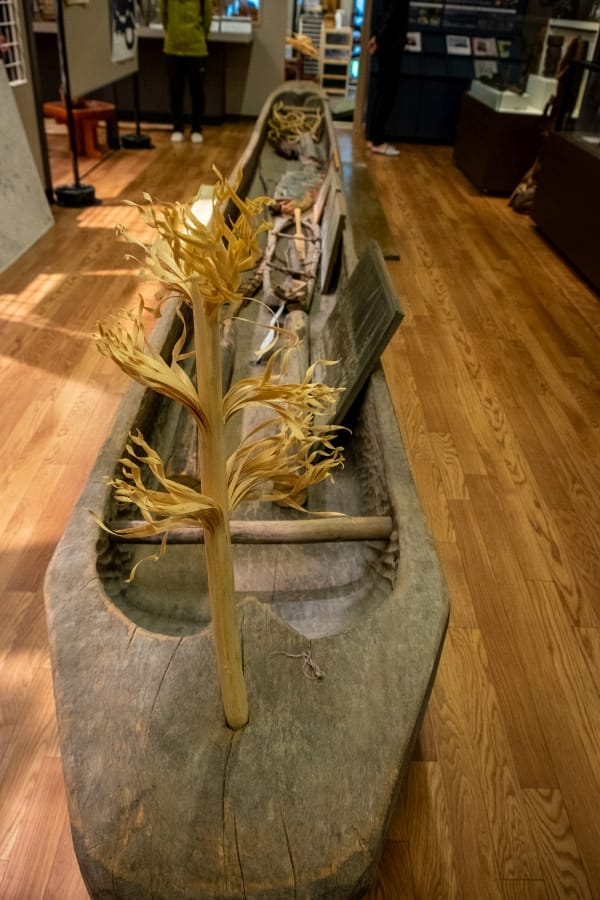
The Ainu are the indigenous inhabitants of Hokkaidō, Sakhalin, and the Kuril Islands, possessing a distinct language, physical lineage, and worldview separate from the majority population of Japan. Recent genetic research into ancient remains reveals that the Ainu aren’t merely direct descendants of the prehistoric Jōmon hunter-gatherers, as long believed, but are a complex composite formed by the intermixing of Jōmon groups with the Okhotsk people—a maritime culture that migrated south from the Amur River region around the fifth century. This genetic lineage manifests in physical traits and ancestral markers distinct from mainland Japanese, whose ancestral origins stem predominantly from continental Asian migrations during the Yayoi period. Ainu oral tradition records a lifestyle tied to the ecological rhythms of the northern islands, where coastal settlements, known as kotan, managed fishing territories along major river systems.
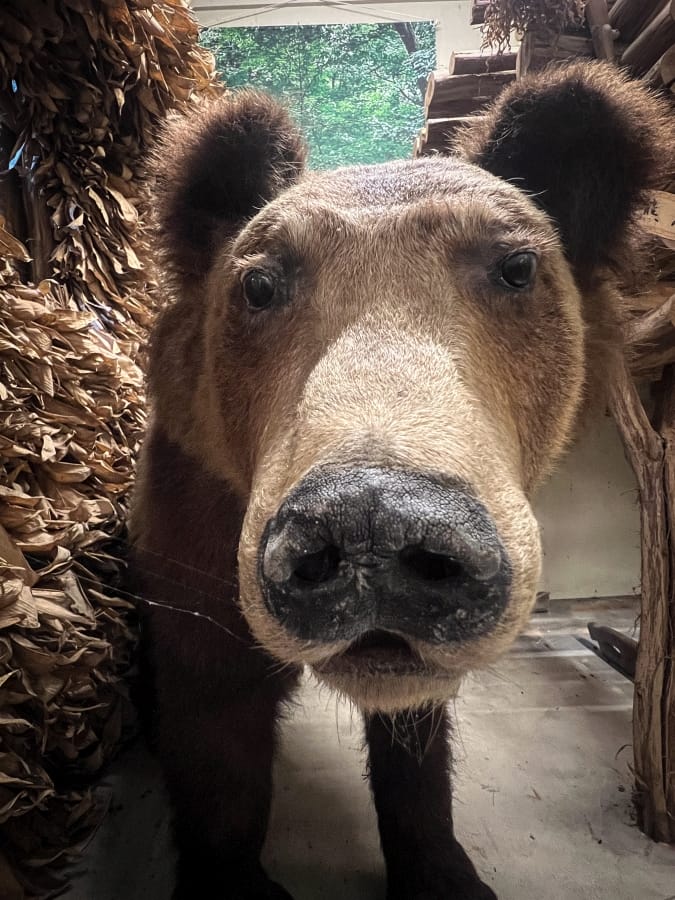
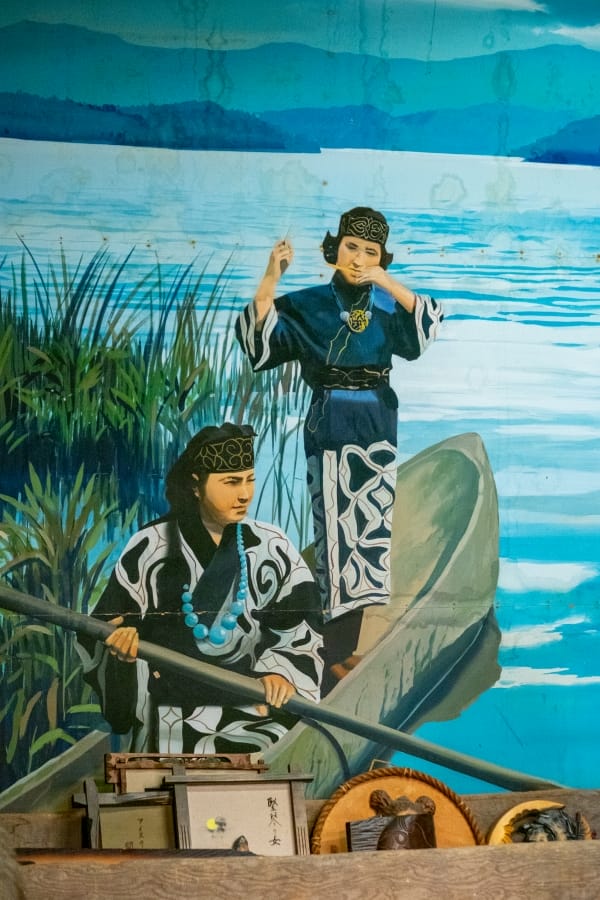
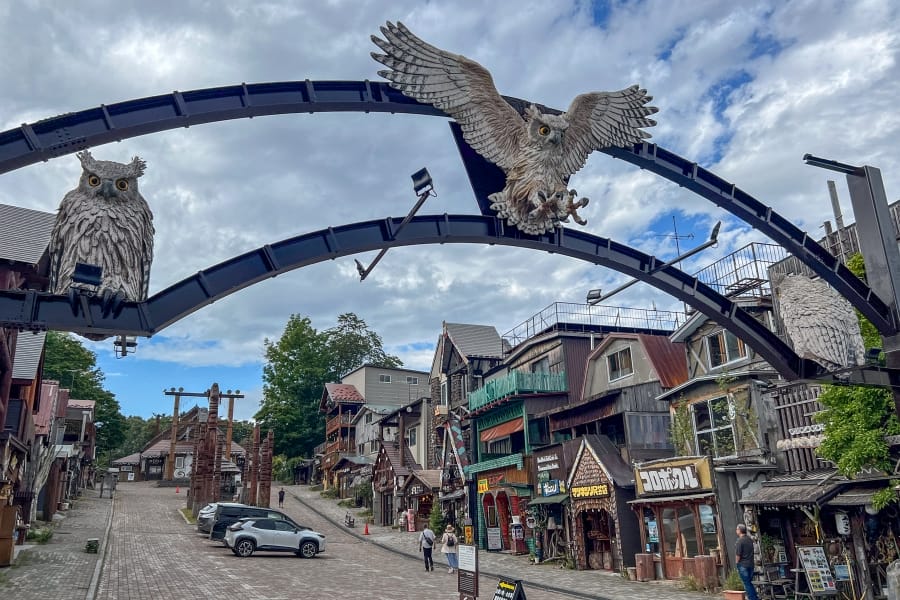
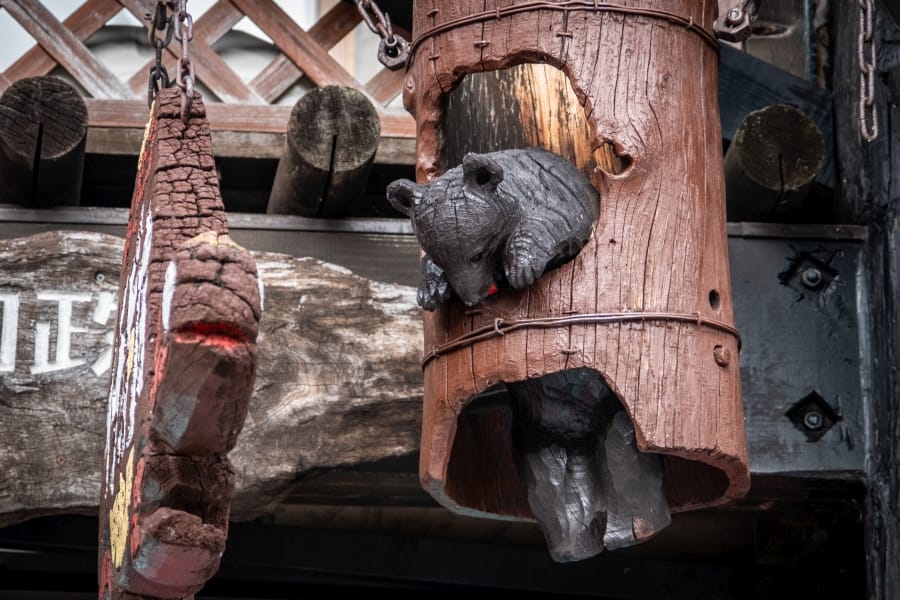
Central to traditional Ainu existence is the concept of ramat—a spiritual force or soul inhabiting every living organism, natural element, and human artifact. Ritual life revolves around interacting with kamuy, spirits that embody animals, plants, weather, and tools. Animals like the brown bear (kim-un kamuy) and the Blakiston’s fish owl (kotan-kor kamuy) are viewed as divine beings visiting the human realm disguised in flesh and fur. In the iomante ritual, a captured young bear was raised within the village with care before being ceremonially sacrificed, sending its spirit back to the divine world with gifts of food, sake, and woven goods. Cultural practices also included distinctive body modifications: women received extensive blue-black tattoos around their lips and hands, applied using birch bark soot from childhood through young adulthood, while men ceased shaving their beards after reaching maturity.
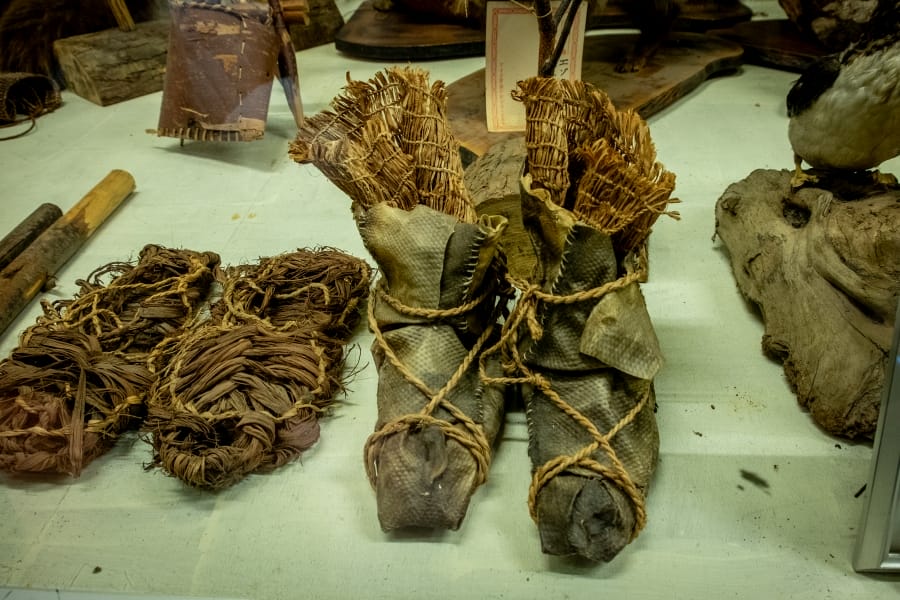
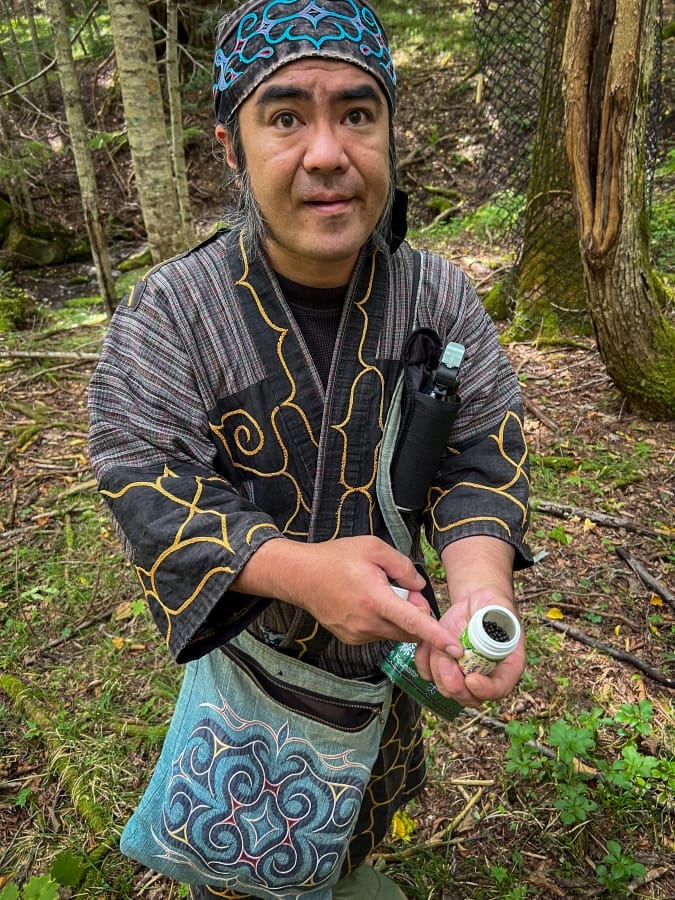
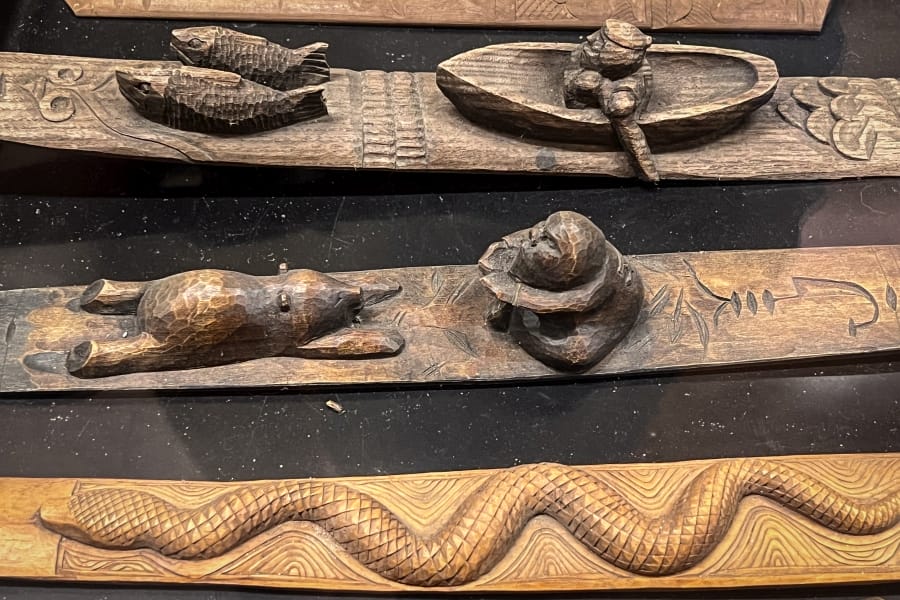
The annexation of Hokkaidō in the late nineteenth century brought systematic, state-sponsored disruption to Ainu society. The Meiji government designated the island as muchi (ownerless land), stripping the Ainu of their ancestral territories without compensation, and banned traditional hunting and salmon fishing rights. Under the 1899 Hokkaidō Former Aborigines Protection Act, the government enforced assimilation policies that banned the Ainu language, prohibited traditional ear-piercing and lip tattooing, and forced indigenous communities to adopt Japanese names and transition to agriculture on allotted plots of poor soil. Cultural artifacts, ancestral remains, and sacred burial sites were routinely confiscated by institutions without consent. Decades of socio-economic marginalisation and forced integration led many Ainu families to hide their heritage to avoid severe discrimination in employment and marriage.
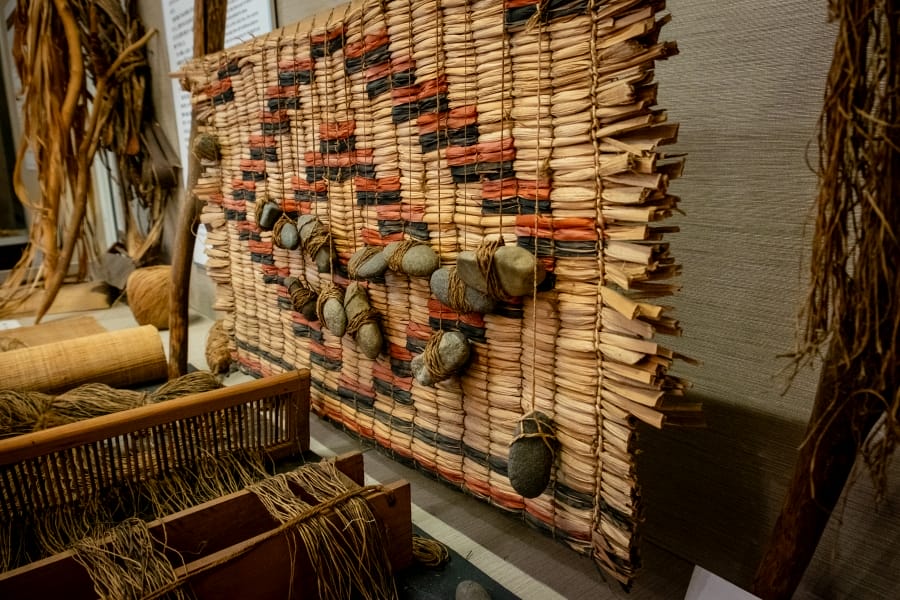
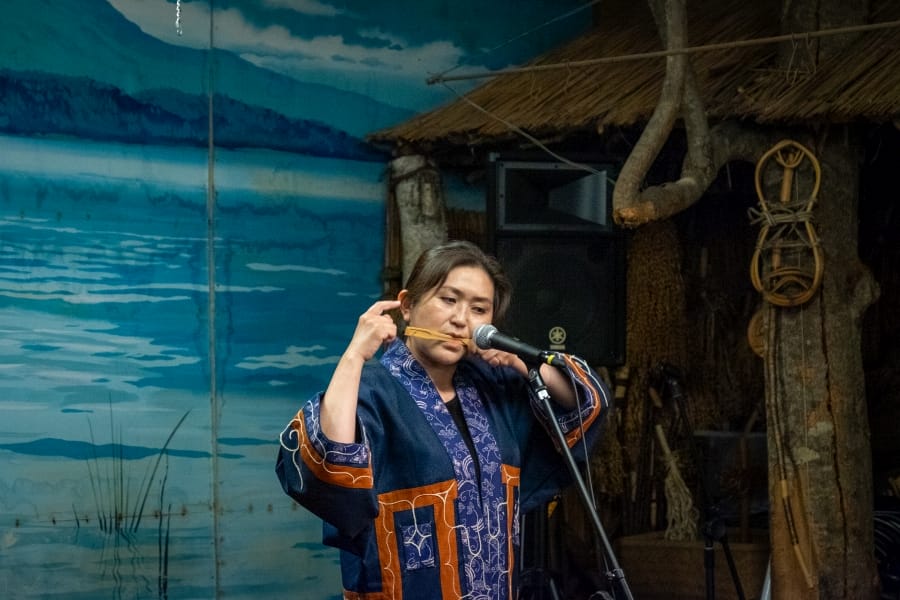
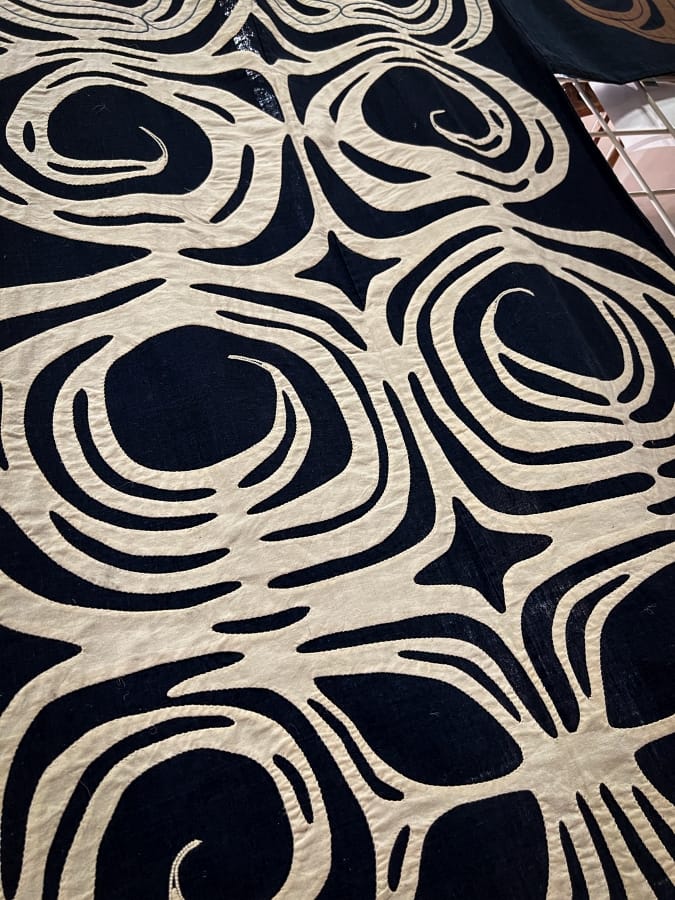
Official recognition came slowly. It was not until 2008 that the Japanese parliament passed a resolution recognizing the Ainu as an indigenous people with a distinct language, religion, and culture, culminating in the 2019 Ainu Policy Promotion Act. Today, an estimated 13,000 to 20,000 people in Hokkaidō identify as Ainu, though the actual number of people with Ainu lineage is significantly higher due to historic non-disclosure. Contemporary efforts focus on language revitalization, as the Ainu language—a linguistic isolate with no known connection to Japanese—is classified by UNESCO as critically endangered. Modern Ainu artists and musicians blend traditional throat singing (rekuhkar) and the mukkuri (jaw harp) with contemporary genres, asserting their cultural identity while preserving traditional crafts like attus cloth weaving, made from the inner bark of mountain elm trees.
Ainu sites in Hokkaidō
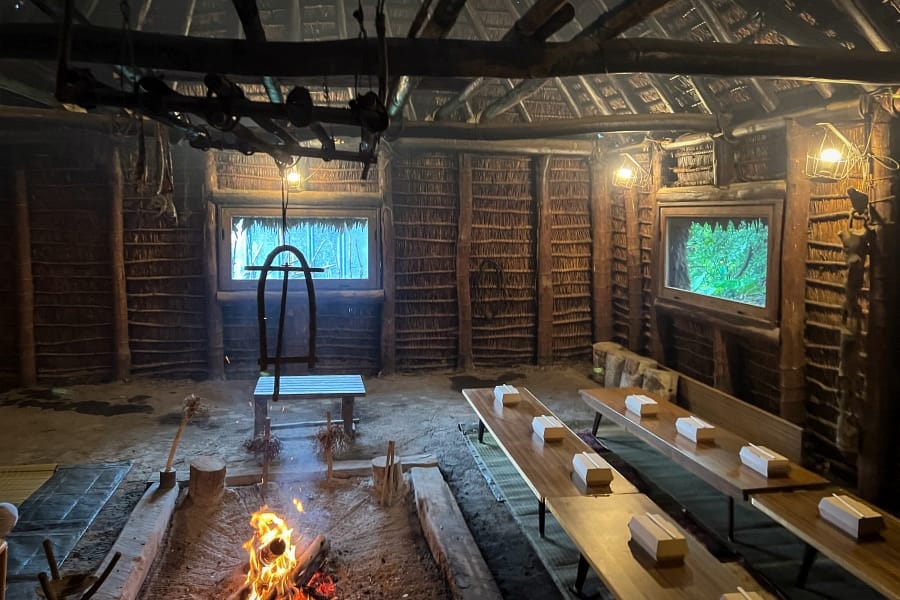
There are numerous places in Hokkaidō where you can explore authentic Ainu heritage first-hand. Upopoy, the National Ainu Museum and Park in Shiraoi, is a government-backed central facility for research and cultural education, featuring open-air reconstructions of traditional cise (houses) on the shores of Lake Poroto. The Kawamura Kaneto Ainu Museum is a private cultural museum in Asahikawa, dedicated to preserving and transmitting indigenous Ainu history and material culture. Besides a museum of exquisite artifacts and authentic Ainu buildings, it offers a program of talks, rituals, and meals.
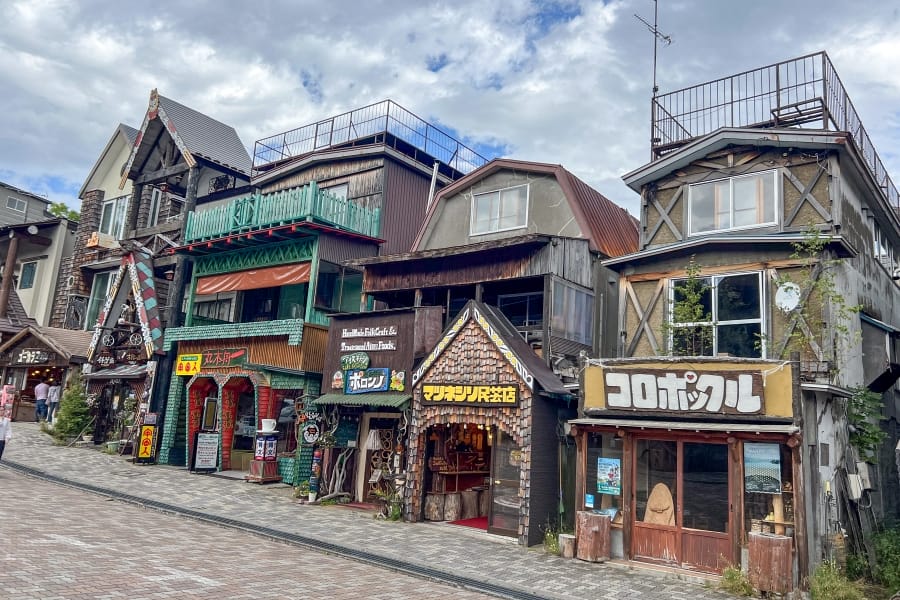
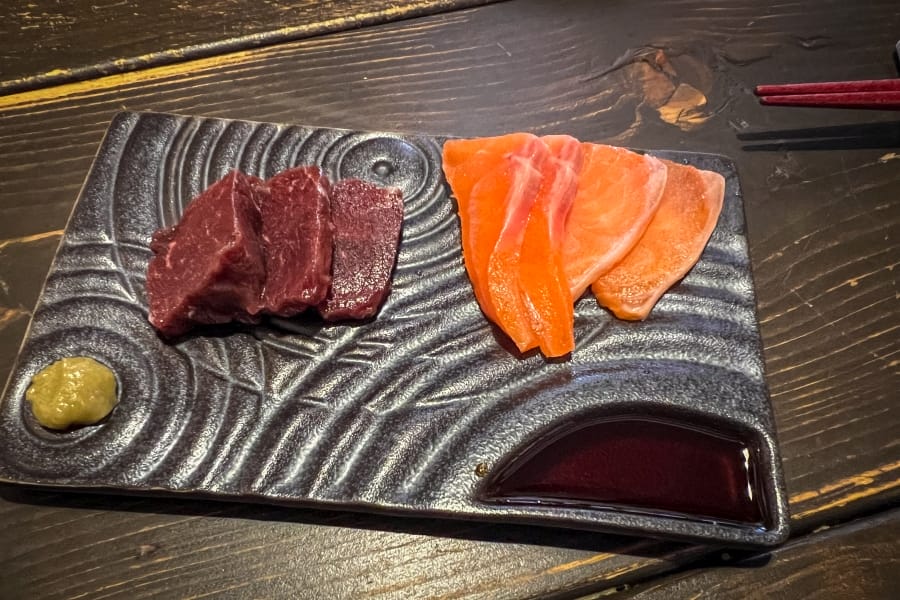
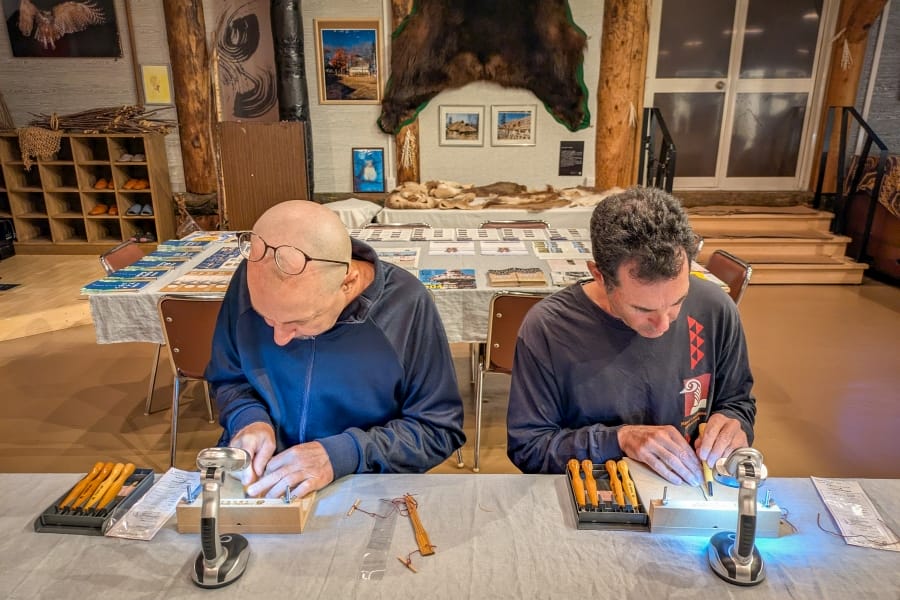
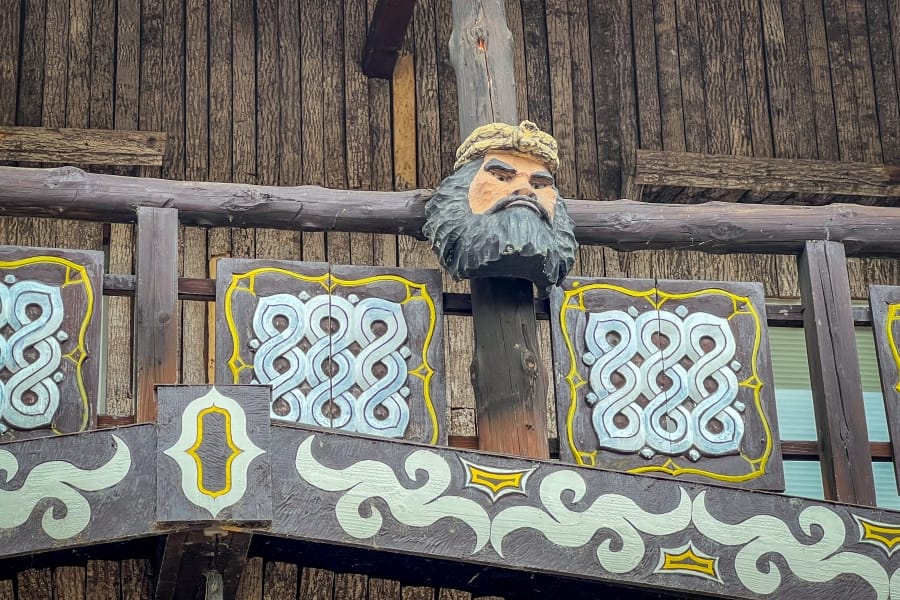
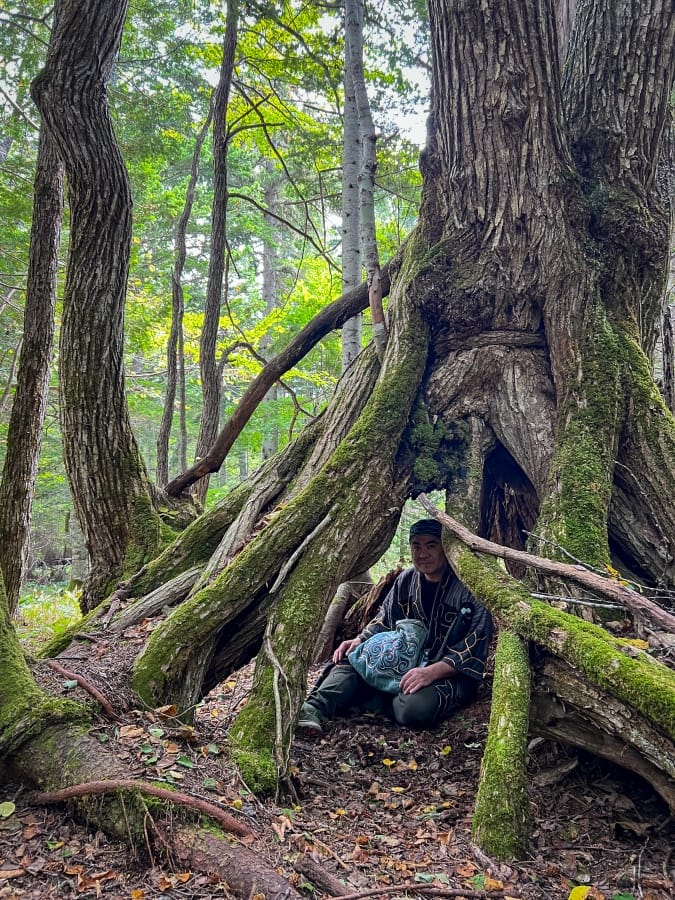
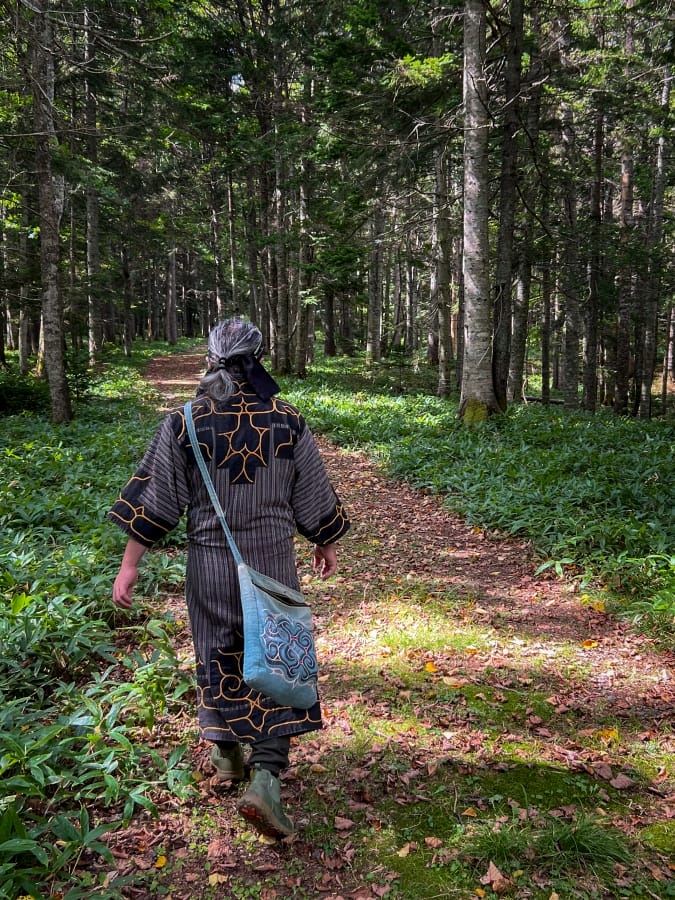
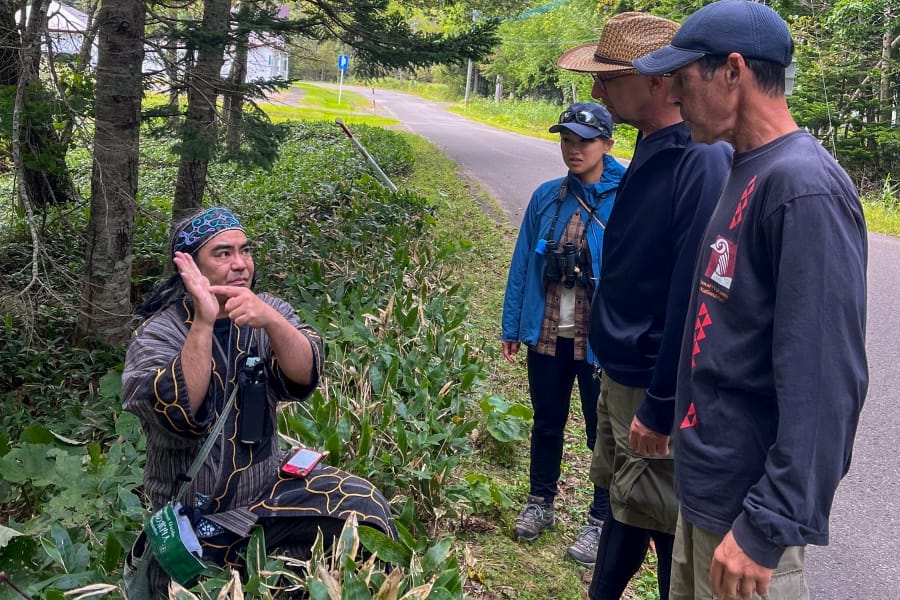
Further east, near the southern shore of Lake Akan, is the Akanko Ainu Kotan, a living settlement home to roughly 120 residents where you’ll find woodcarving workshops and performance spaces dedicated to ikanipor, traditional dance rituals. There are small restaurants where you can try some tasty traditional Ainu cooking. From here you can take a fascinating guided tour of local woods to learn how the Ainu find and use forest resources to meet most of their needs.
In central Hokkaidō, the Saru River valley around Biratori Town offers access to the Nibutani Ainu Culture Museum, situated in a region where traditional bark harvesting, river fishing techniques, and oral history preservation remain deeply connected to the local community.