Hokkaidō Food
Hokkaidō’s cold climate and vast coastlines produce distinct ingredients, from high-fat dairy and sweetcorn to kelp-fed sea urchin and salmon.
Hokkaidō’s cold climate and vast coastlines produce distinct ingredients, from high-fat dairy and sweetcorn to kelp-fed sea urchin and salmon. Its food scene centres on robust regional dishes like grilled mutton, rich miso noodles, and potato starch cakes. Cold-climate breweries use pure snowmelt and local rice varieties to craft remarkably crisp, dry sake.
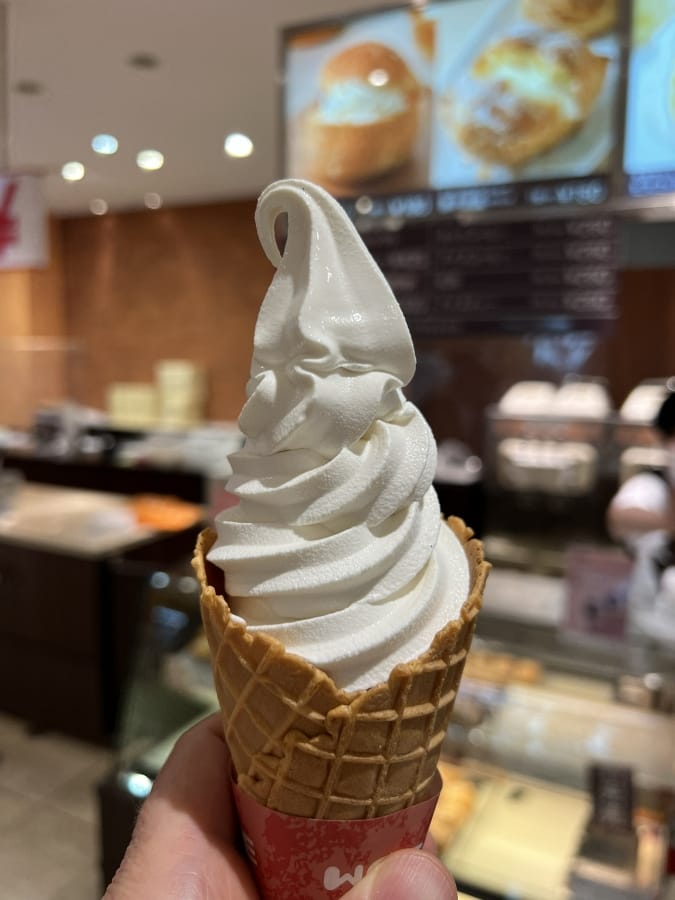
Hokkaidō’s agricultural output sets it apart from the rest of Japan, operating on a scale defined by expansive volcanic plains and a cold climate. The island generates over half of Japan’s milk supply, and it’s sustained by low-temperature dairy farming across the Tokachi and Konsen plateaus. Raw milk feeds a processing industry focused on high-fat butter, gouda and camembert-style cheeses, and Katsugen, a fermented lactic-acid drink originally developed during the mid-twentieth century as a digestive tonic. Not to mention delicious, rich ice cream.
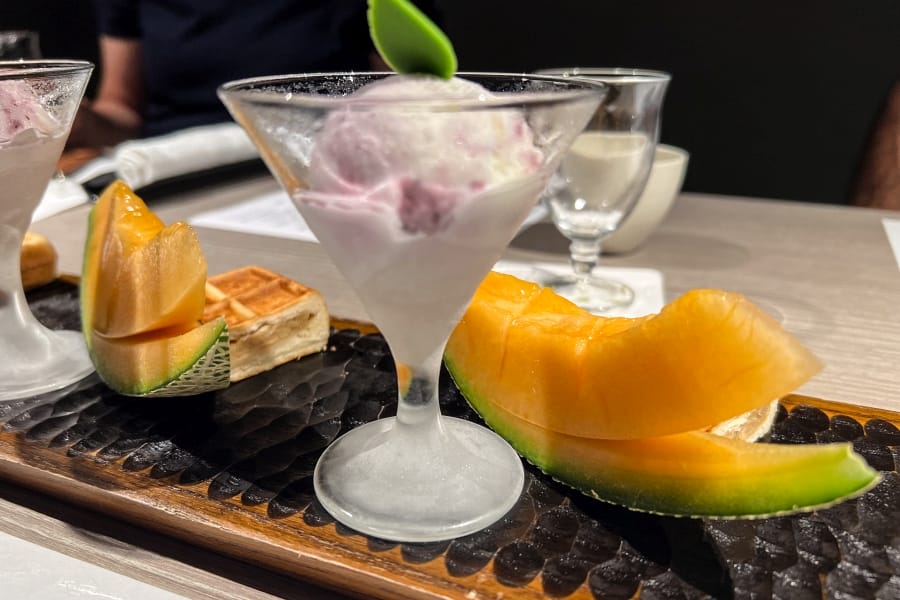
Beyond dairy, Hokkaidō’s soil produces high yields of starch-heavy potatoes, sweetcorn, spring wheat, and sugar beets. The region’s temperate summer climate also enables the cultivation of high-sugar produce, most notably the melon grown in Yūbari, where night-and-day temperature swings concentrate sugar levels inside dense, orange flesh.
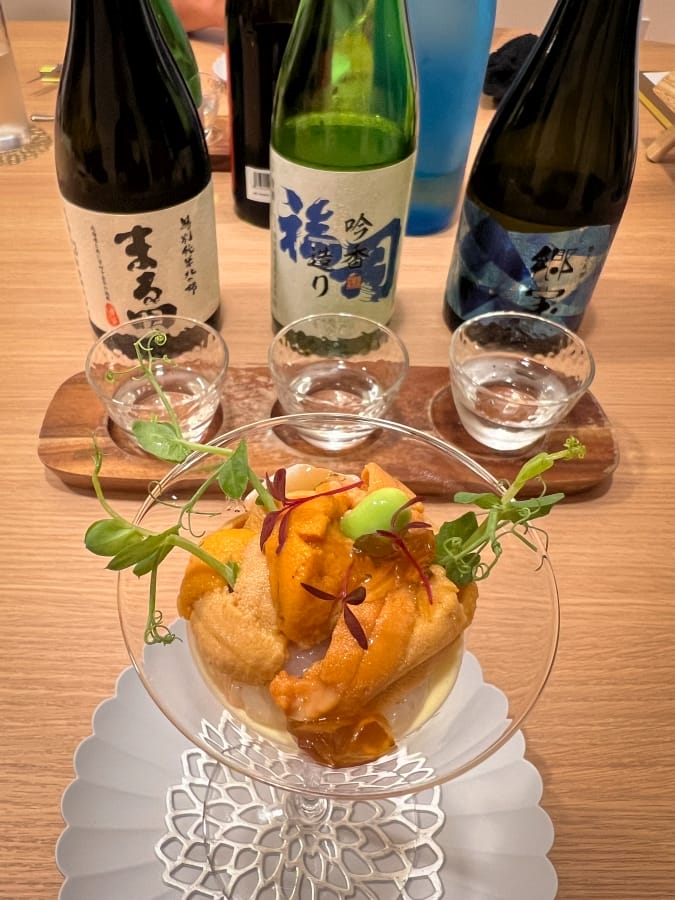
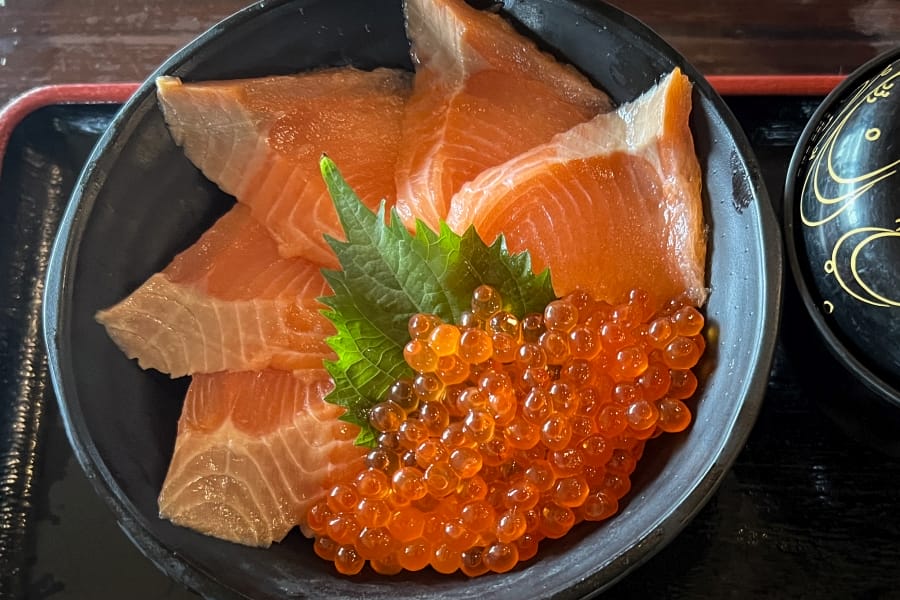
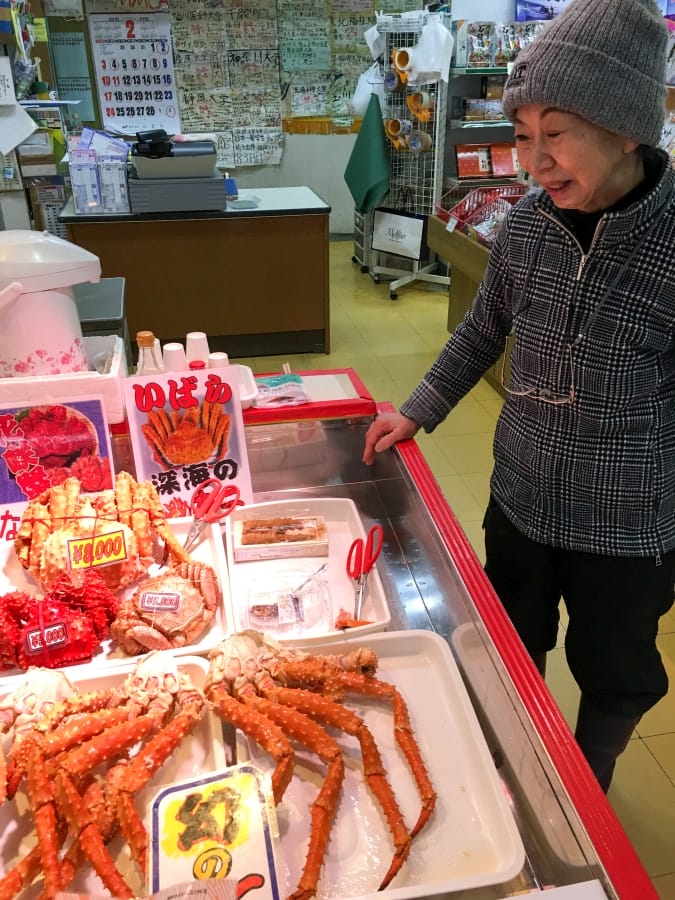
Surrounded by the Pacific Ocean, the Sea of Japan, and the Sea of Okhotsk, Hokkaidō’s coastal waters benefit from cold, nutrient-dense ocean currents. Sea urchins (uni) harvested along the rocky shores of Rishiri and Rebun islands feed on dense underwater beds of kelp (kombu), which gives their roe a firm texture and rich marine flavour. The region’s kombu, particularly Rishiri and Hidaka varieties, forms the primary base for Japanese dashi stock due to its high concentration of natural glutamates. Off the eastern coast, cold currents yield sea scallops, snow crabs, and chum salmon. Salmon roe (ikura) is cured in soy sauce or salt immediately after harvest to preserve the taut outer membrane, which releases a rich liquid when you bite into it.
This agricultural and marine produce is what brings Japanese in flocks to the northernmost island. The sight of the breakfast and dinner buffets at Hokkaidō’s large hotels, laden with all this bounty, always draws exclamations from first-timers, and with good reason.
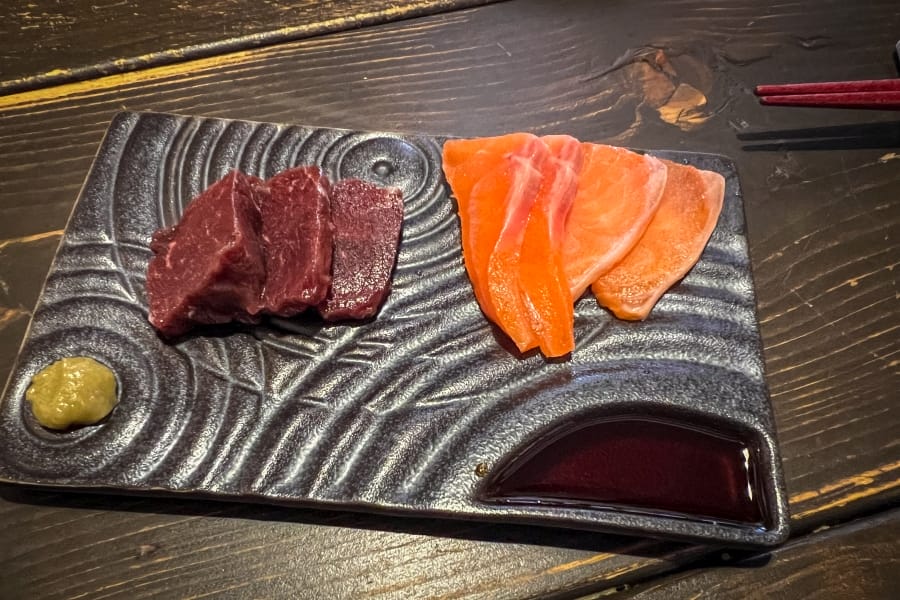
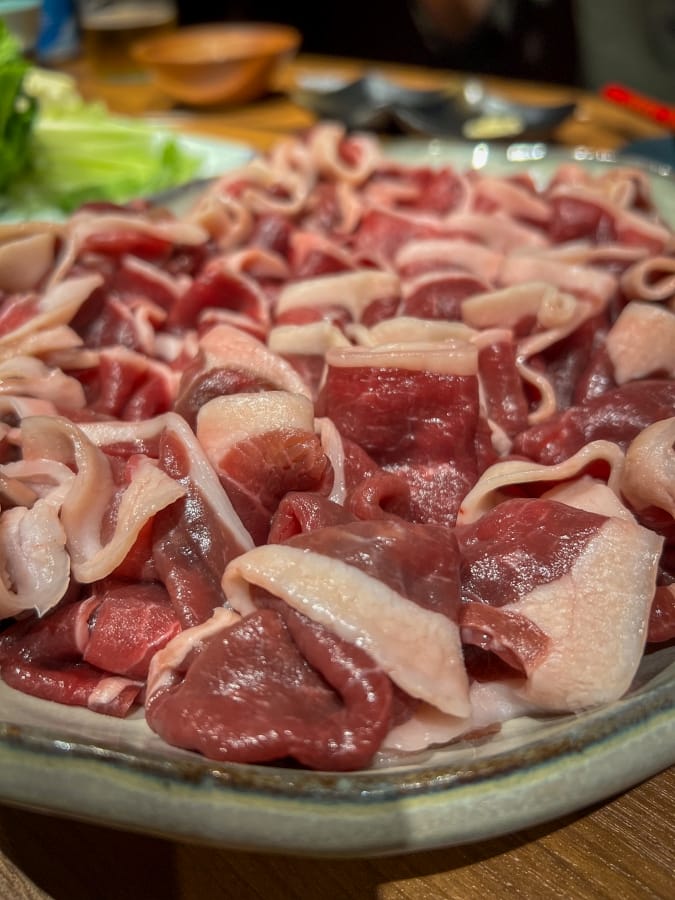
Traditional food preparation in Hokkaidō developed through methods devised to survive sub-zero winters, and many of these techniques originate with the indigenous Ainu people. Ruibe involves freezing freshly caught chum salmon outdoors in sub-zero air before slicing the flesh thinly while it’s still frozen. The freezing process neutralises parasites, allowing raw fish consumption, while the icy slices soften rapidly on your tongue, altering in texture from crisp ice to oily salmon meat. Salmon also anchors regional stews such as ishikari-nabe, a hotpot cooked in a clay vessel with a broth of fermented soybean paste, kelp, salmon chunks, cabbage, and daikon radish. Another longstanding winter dish, sanpei-jiru, uses salt-cured salmon or cod cooked with root vegetables in a clear, salted broth that relies on preserved fish to season the liquid. The same techniques are used to prepare Ezo deer, for eating raw, and for hotpot.
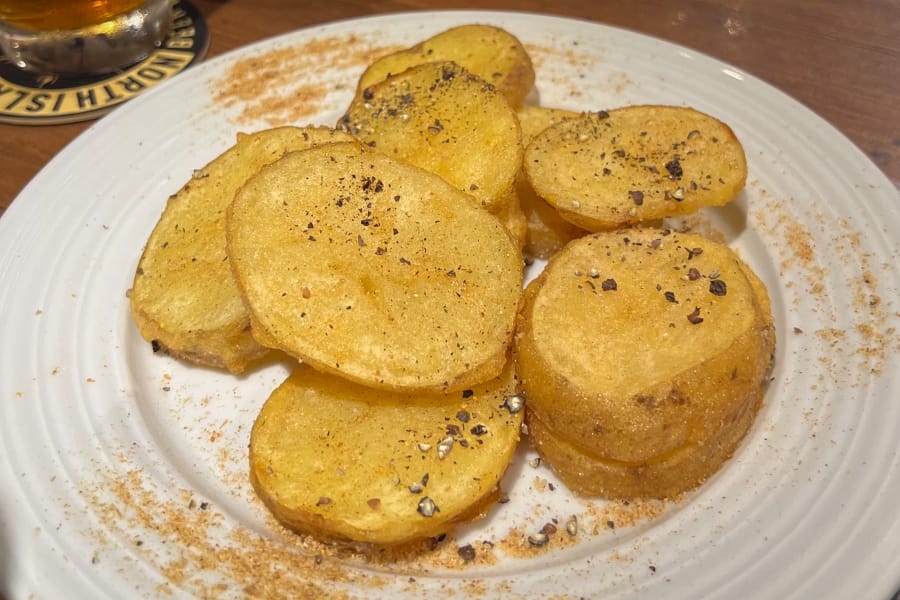
Twentieth-century state policies and agricultural developments shaped several of Hokkaidō’s core meat and starch dishes. Jingisukan, named after that great eater of sheep Genghis Khan, consists of thin slices of mutton or lamb grilled alongside onions, bean sprouts, and cabbage on a convex cast-iron plate. The dish emerged after the central government established sheep-breeding farms in Takikawa and Tsukisappu during the 1910s to secure wool supplies, prompting cooks to develop seasoned soy-sauce dips that tempered the meat’s aroma. In the agricultural hub of Obihiro, pig farming led to butadon, a bowl of thick-cut pork loin seared over charcoal and brushed with a sweet, caramelised soy glaze. Where severe frost historically disrupted rice crops, rural households produced imomochi, pan-frying boiled potato dough bound with potato starch and coating it in a thick soy glaze.
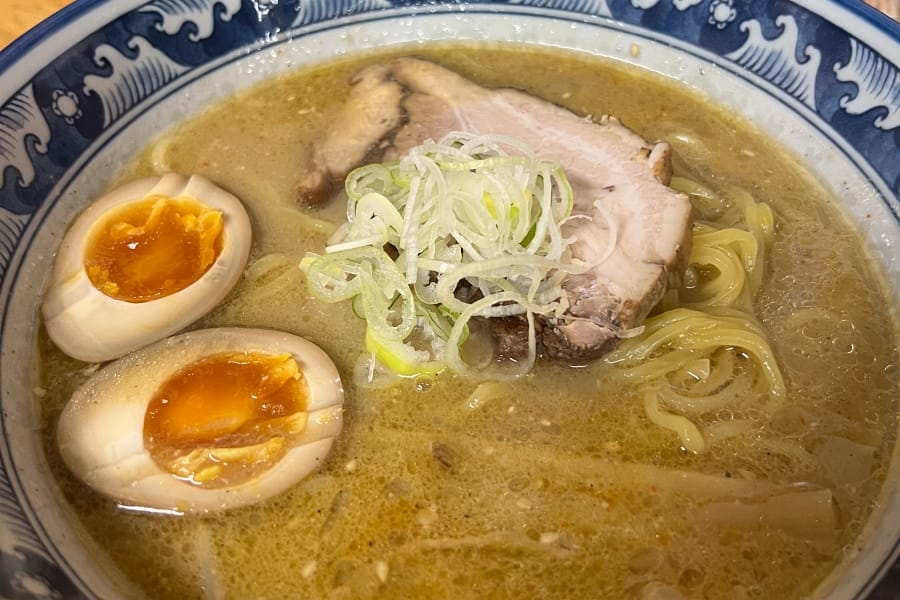
Hokkaidō’s noodle dishes reflect local climate variations across its major urban centres. Sapporo rāmen features thick, curly egg noodles in a heavy fermented soybean paste broth, often topped with sweetcorn, bean sprouts, and a slice of local butter that melts into the soup. In contrast, Hakodate’s coastal style utilises a clear, light broth seasoned with salt and pork bones, served with straight noodles. Further north, Asahikawa rāmen relies on a combined broth of seafood and pork stock seasoned with soy sauce (shōyu). To counter sub-zero winter temperatures, Asahikawa cooks add a layer of rendered lard over the soup surface, insulating the liquid to retain its heat while you eat.
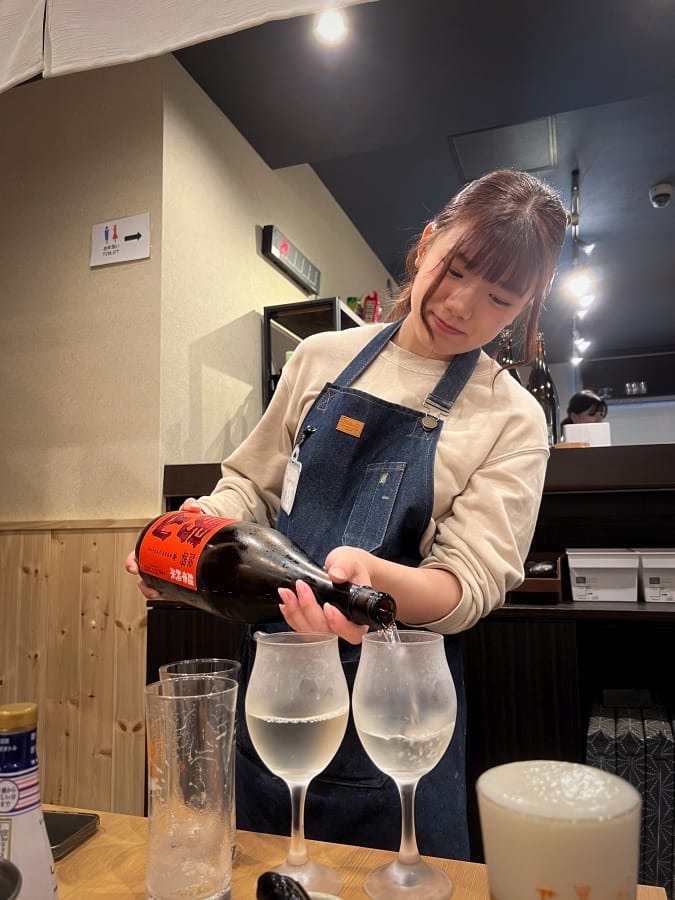
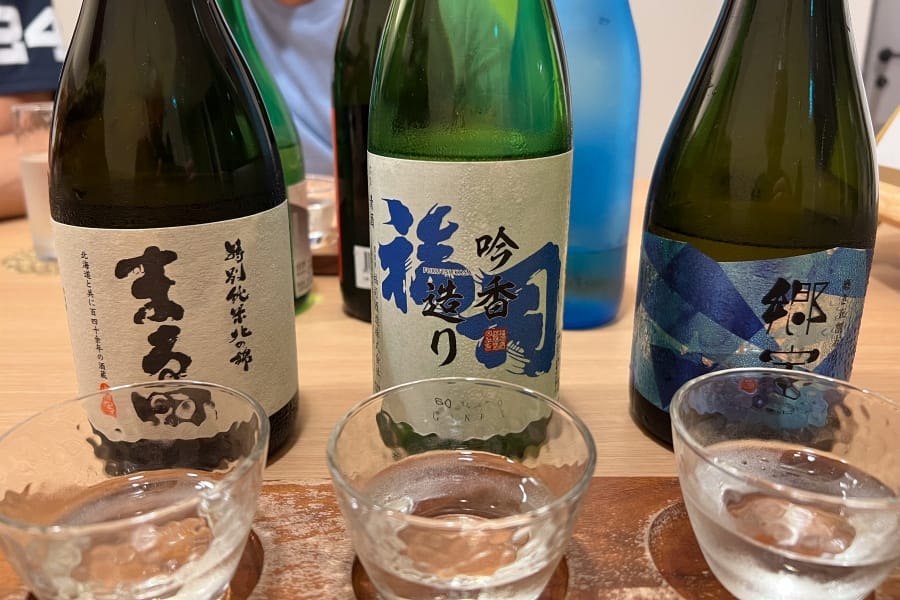
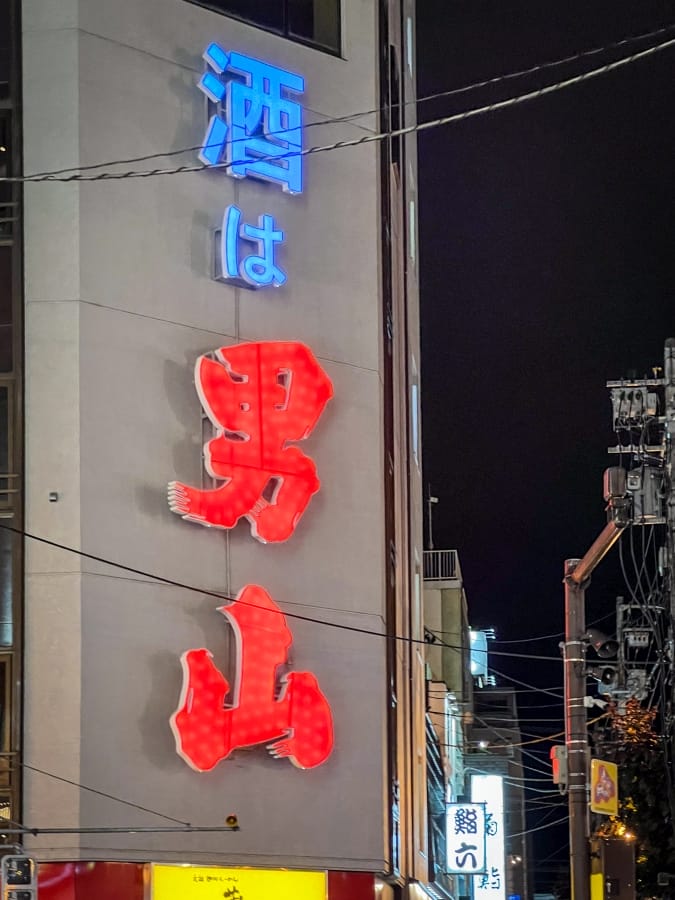
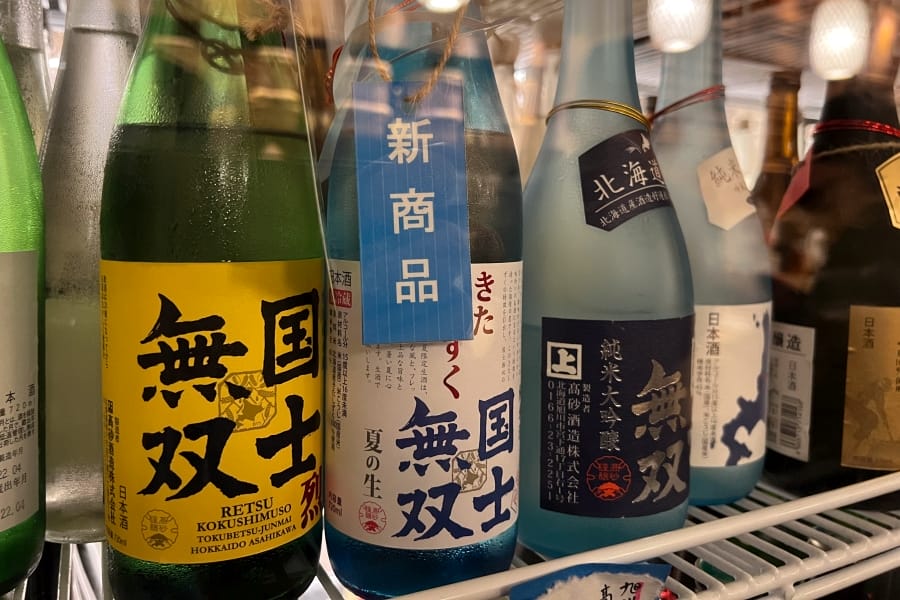
Sake (nihonshu) brewing in Hokkaidō relies on cold-climate rice varieties developed specifically for northern temperatures, including Ginpū, Suisei, and Kitashizuku. The region’s freezing winter conditions allow slow, low-temperature fermentation, using filtered snowmelt from mountain ranges like Daisetsuzan. Traditionally, this has resulted in very dry sake that complements the fatty seafood and meat. Otokoyama, brewed in Asahikawa using Daisetsuzan spring water, yields a dry, crisp profile with a clean mineral finish. Takasago Brewery, also located in Asahikawa, produces Kokushi Musō, brewed in sub-zero cellars that retain natural winter cold. The company offers a lineup from crisp to sweetish. Newer operations like Kamikawa Taisetsu Brewery produce small-batch junmai sake with local rice, delivering a distinctly lively aroma and flavour that mimics the lush sweetness of the island’s fruit. Hokkaidō’s favourite beer is naturally Sapporo Beer, but there are many craft breweries around the island.