Toyota Commemorative Museum of Industry and Technology
The Toyota Commemorative Museum of Industry and Technology, situated in Nagoya’s Nishi Ward, occupies a sprawling industrial site just three minutes’ walk from Sakō Station. The complex is easily identified from the street by its extensive redbrick facades and distinctive saw-tooth rooflines, which contrast sharply with the surrounding modern urban residential developments. The museum uses the actual factory buildings where the Toyota Group began, preserving a monumental block of early twentieth-century industrial architecture. Rather than displaying finished commercial cars in a showroom style, the vast interior spaces focus heavily on the machinery, physical labour, and engineering breakthroughs that transformed a textile enterprise into a global automotive manufacturer.
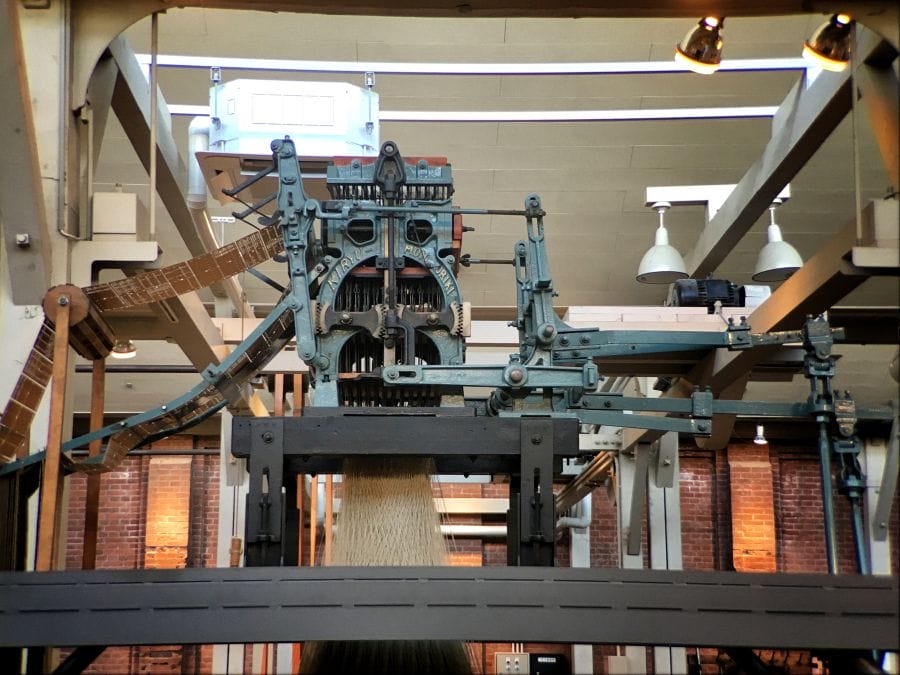
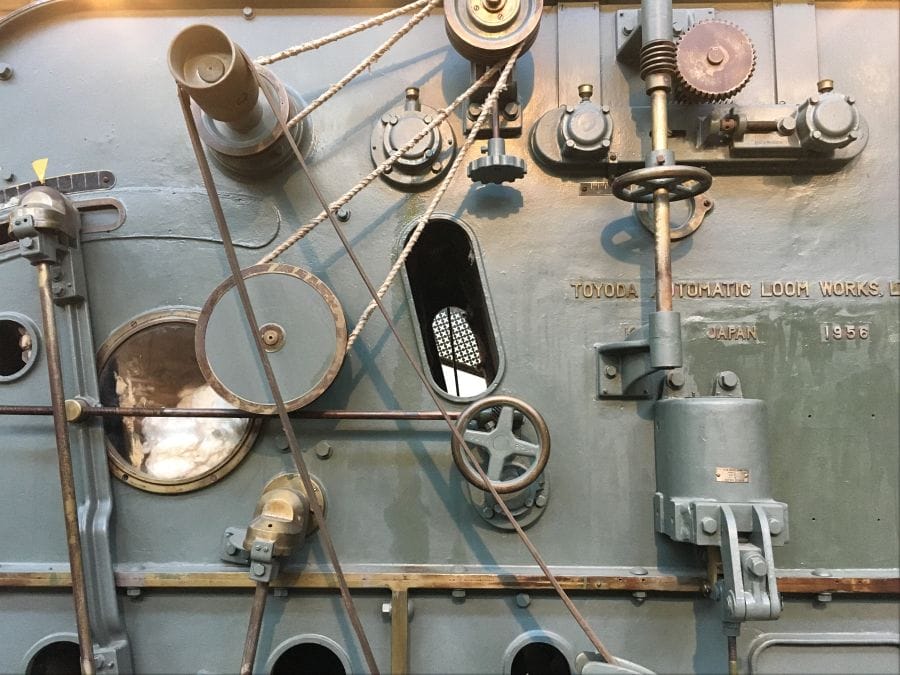
Inside the Textile Machinery Pavilion, you’re surrounded by original wooden pillars, overhead steel beams, and a massive array of functioning looms that fill the cavernous Taishō period spinning mill. The wooden floorboards bear the faint scent of machine oil. Museum staff regularly operate these vintage machines, allowing you to watch the mechanical arms, shuttles, and gears spin raw cotton into yarn and weave intricate fabrics right in front of you. The exhibition tracks technological progression sequentially, starting from simple hand-operated wooden frames and leading to the mechanical pinnacle of the collection: the Type G Toyoda Automatic Loom invented in 1924, which could change shuttles automatically without slowing down.
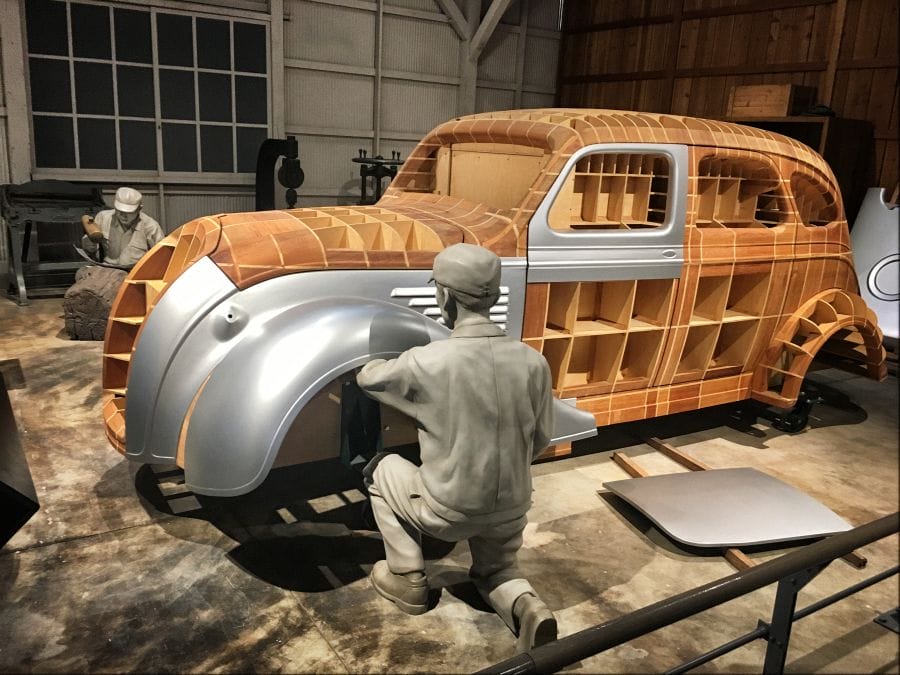
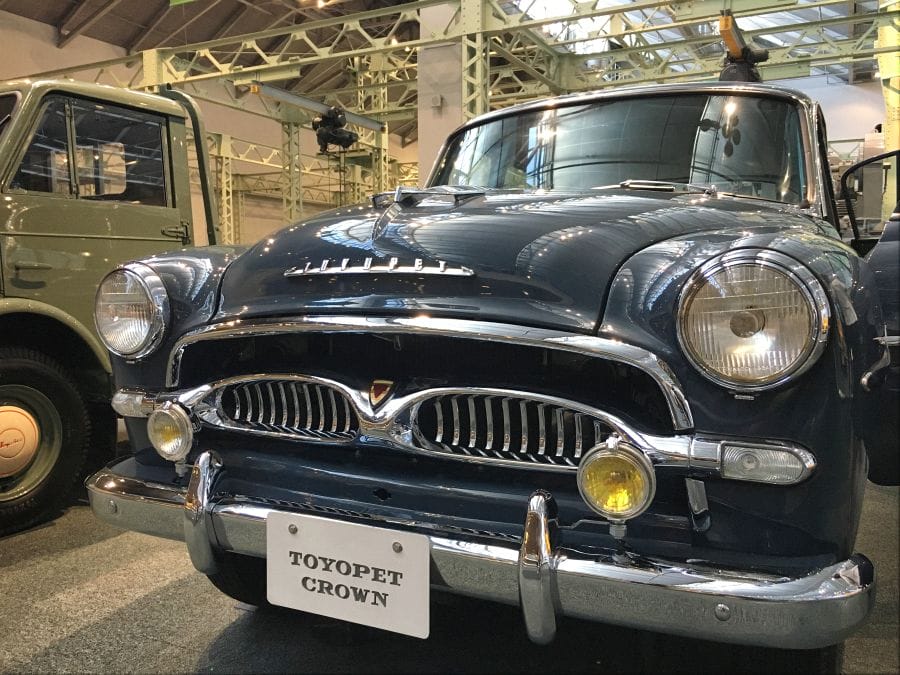
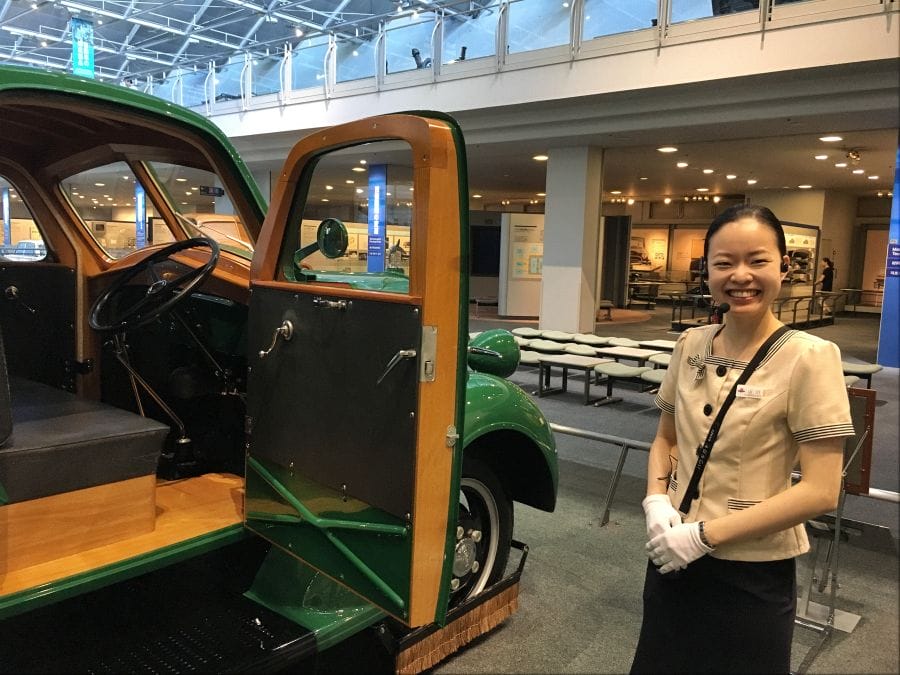
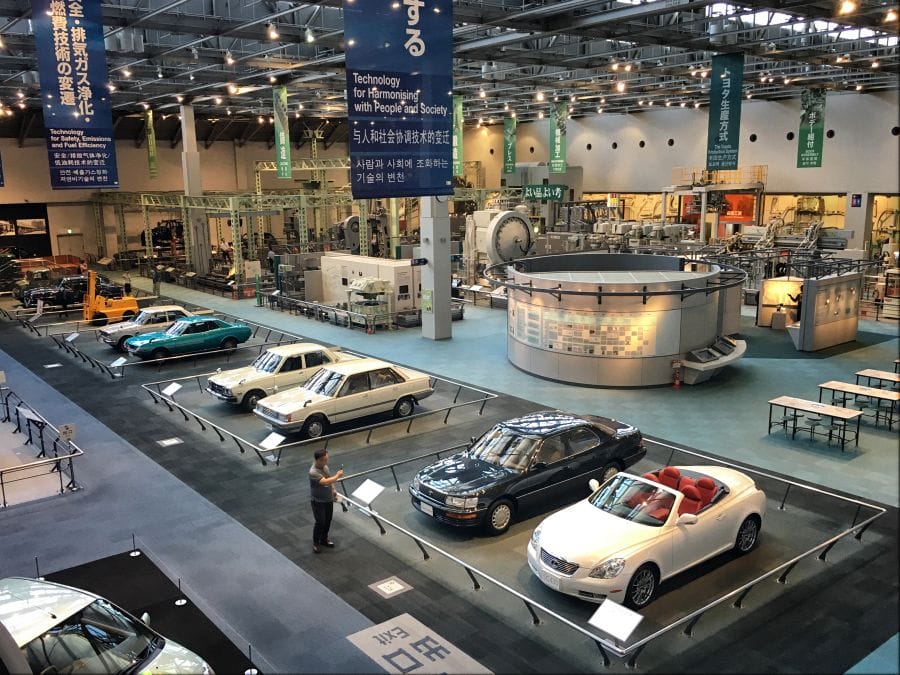
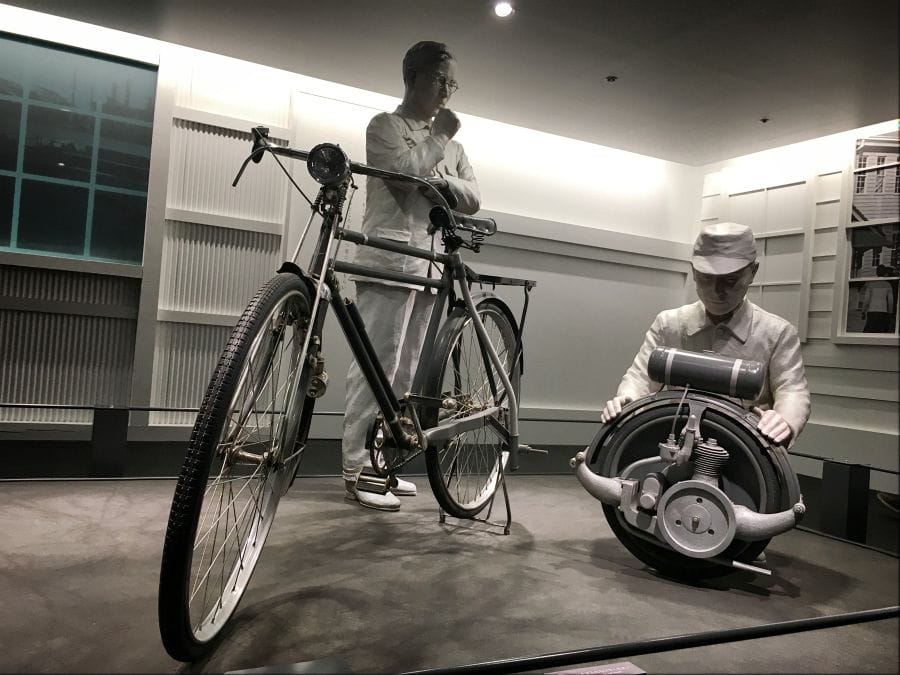
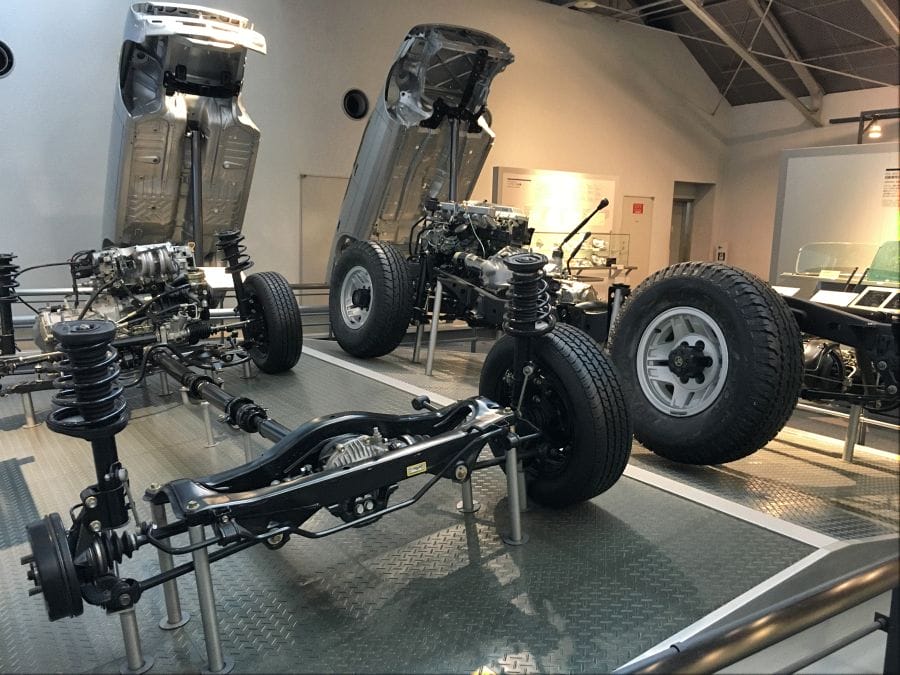
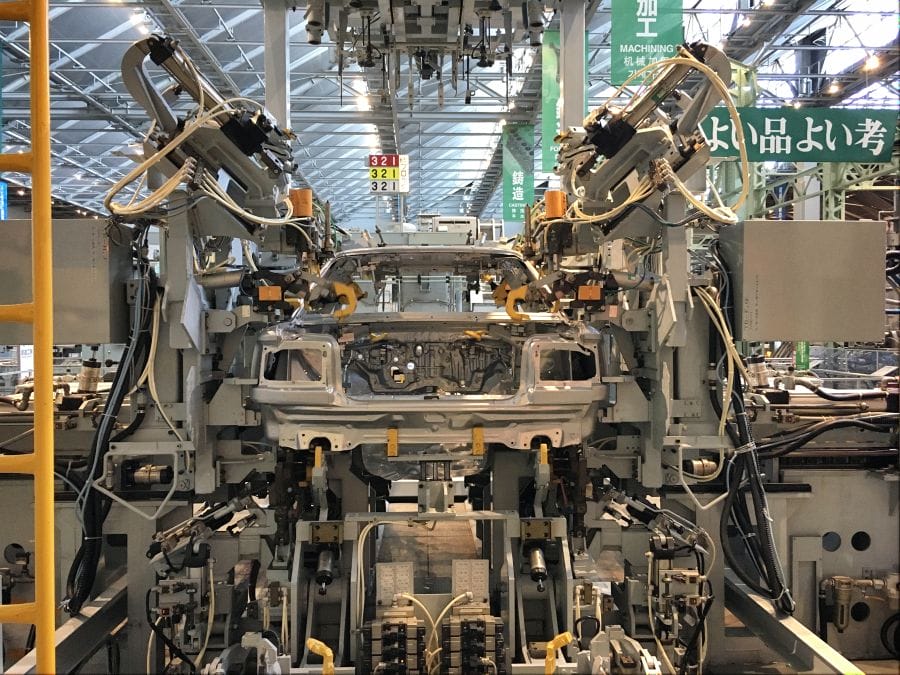
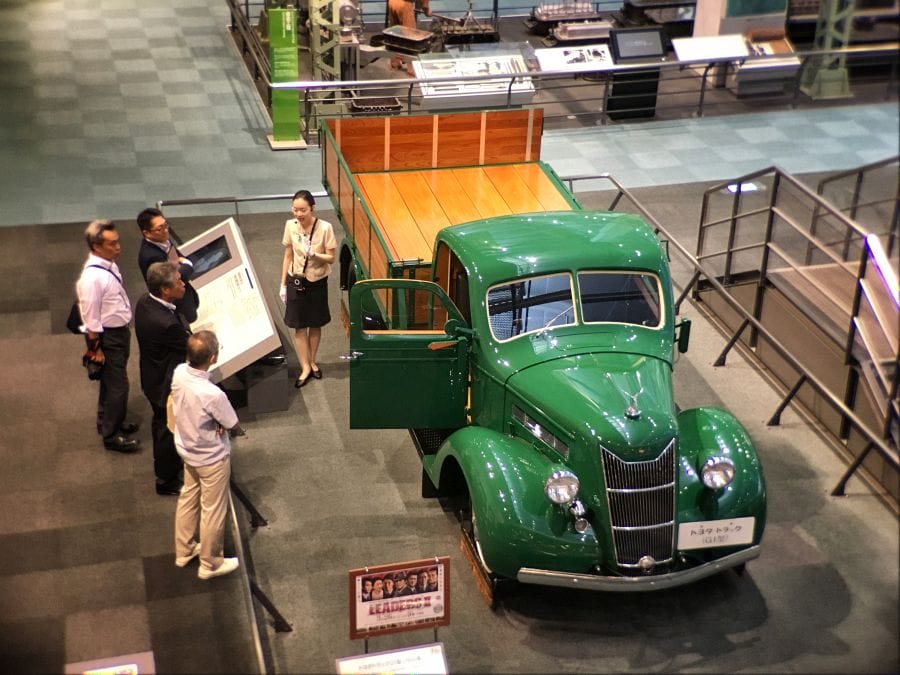
The experience shifts dramatically as you cross into the Automobile Pavilion, a cavernous space spanning nearly 8,000 square meters that recreates the physical scale of an active assembly plant. Here, the focus turns to heavy metal, precise tooling, and immense mechanical power. There’s a massive 600-tonne American-made press machine from 1960 operating alongside modern automated welding robots that swivel and spark with flawless precision. Rather than keeping you behind barriers, the displays invite you to look closely at cutaway engines, drive trains, and chassis components. The museum also features a reconstructed 1930s workshop where operators demonstrate the exhausting process of manually casting and forging early automobile parts using hand tools and basic furnaces.
The ground beneath the museum is the literal birthplace of the Toyota empire. Sakichi Toyoda established his experimental steam-powered weaving factory on this spot in 1911 to test and perfect his inventions. When his son, Kiichiro Toyoda, decided to move into the risky world of passenger car manufacturing in the early 1930s, he used a corner of this site to build his prototype automobile workshop. Instead of demolishing these historic structures when production moved to larger suburban plants, the group preserved the architectural fabric. Outside the main halls, you can walk past an isolated, free-standing segment of a brick wall dating to 1912. Left standing as a monument in the eastern car park, its weathered, jagged saw-tooth top serves as a quiet reminder of the original scale of the Meiji and Taishō period factories. This is an automotive museum for the car lover who wants to know the history and background of vehicles, in addition to drooling over gorgeous steel and chrome.
Information
Name in Japanese: トヨタ産業技術記念館
Pronunciation: toyo-ta sangyoh gijutsu ki-nen-kan
Address: 4 Chome−1−35, Noritakeshinmachi, Nishi Ward, Nagoya, Aichi, 451-0051