Whaling heritage in Japan
If you stray slightly off the beaten track in Japan, you may encounter the country’s whaling heritage.
If you stray even slightly off the beaten track in Japan, you may encounter the country’s whaling heritage in one form or another. Japan Adventurer’s stated purpose is “Discover Japan. Immersive and unfiltered.”, and that includes all parts of the nation’s culture. Whether controversial or not, we take an interest in all of it, and we want to show you the reality of today’s Japan.
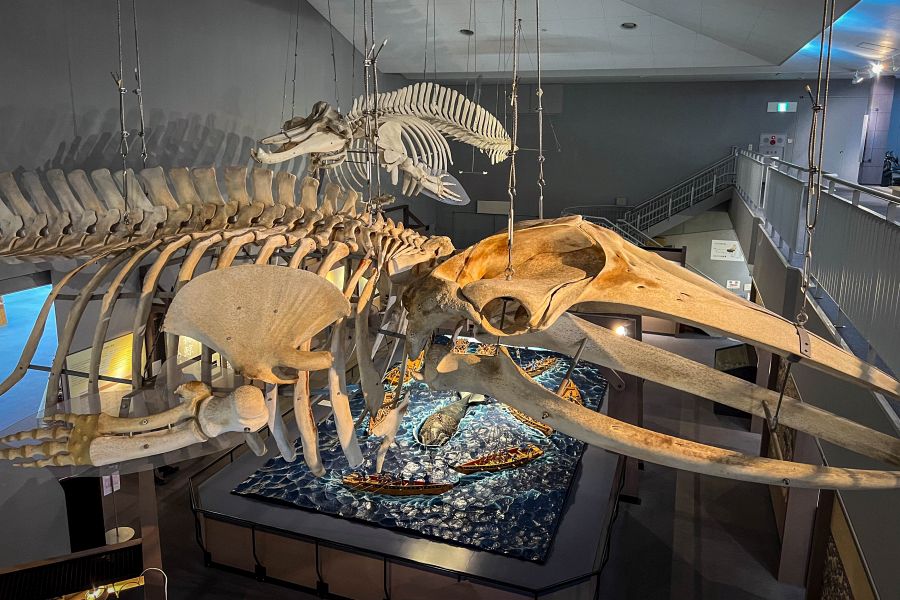
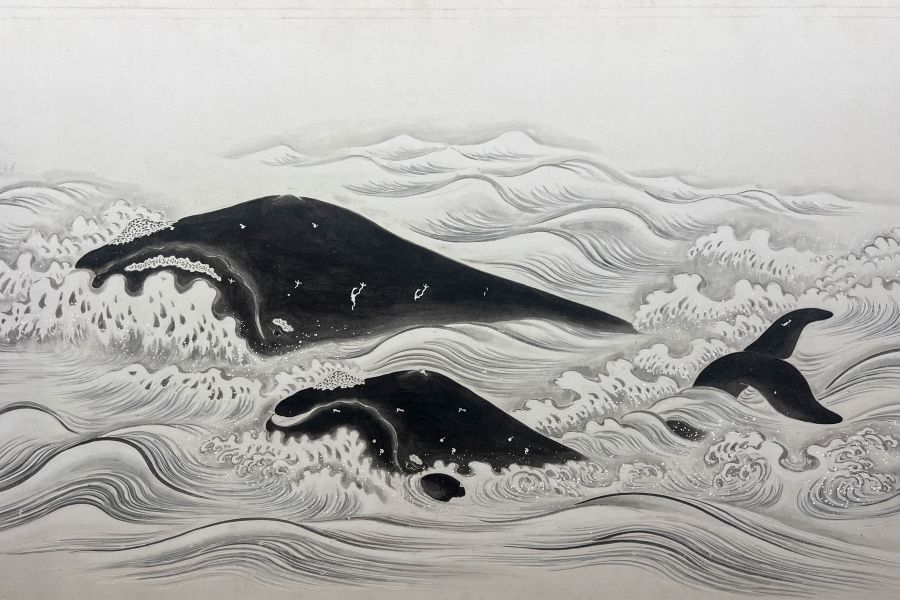
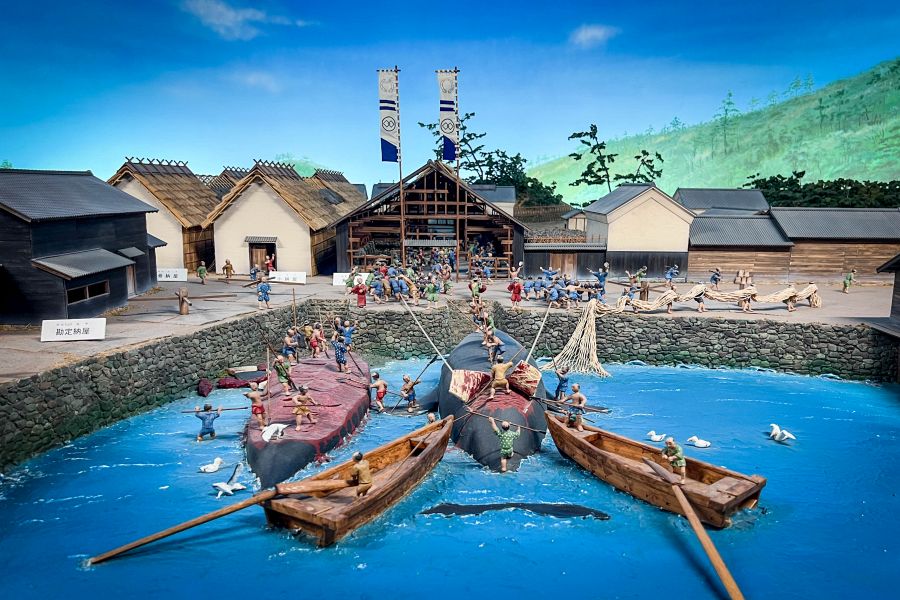
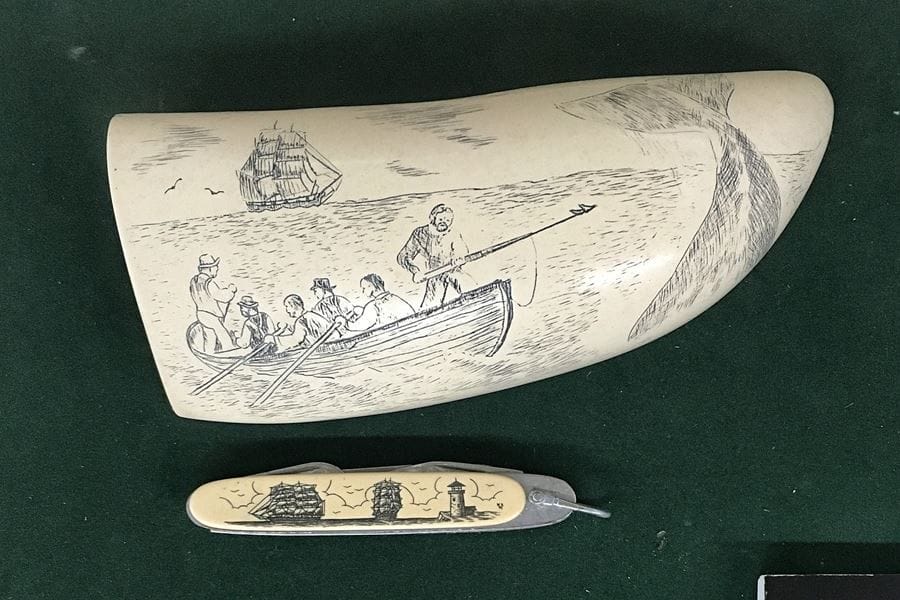
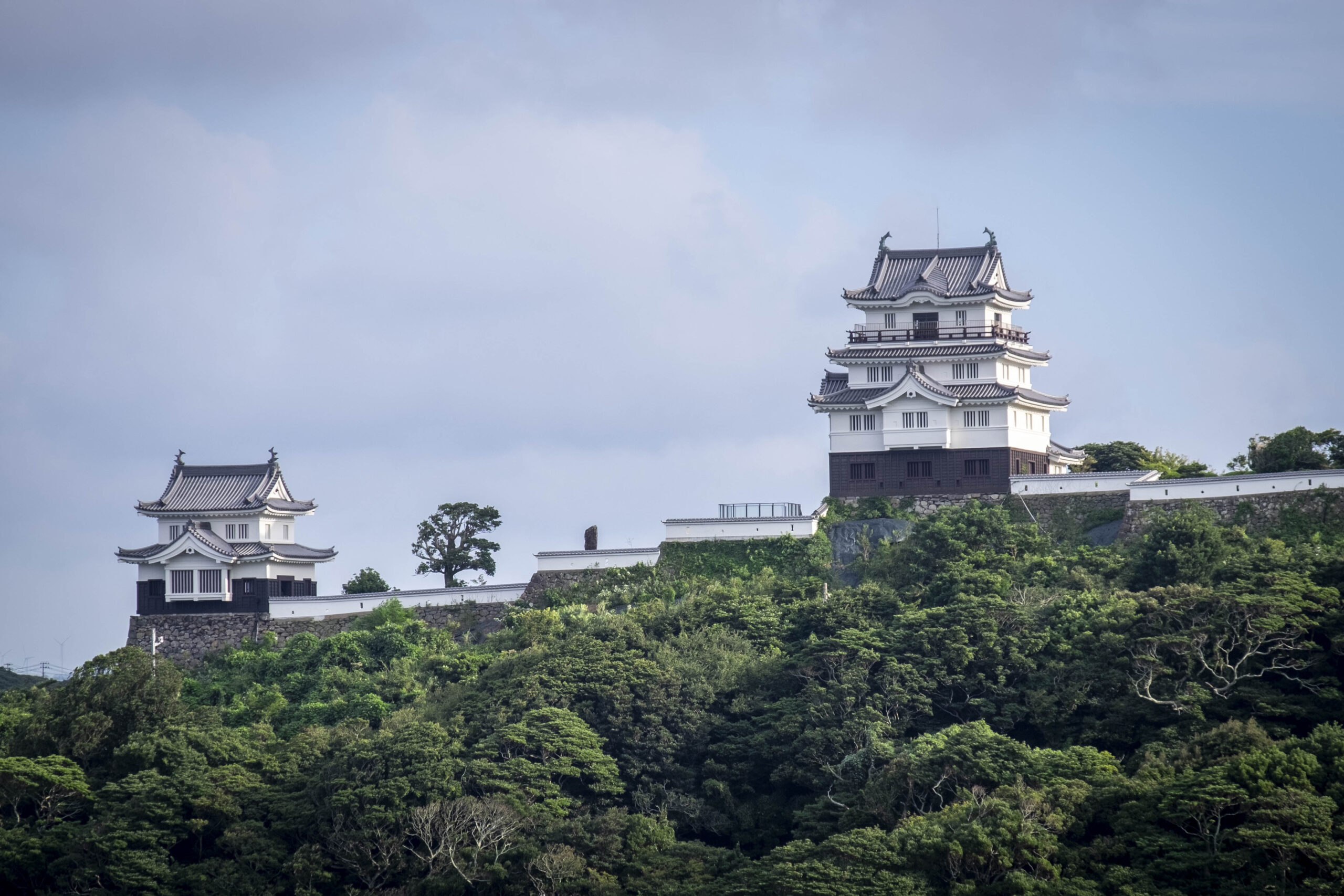
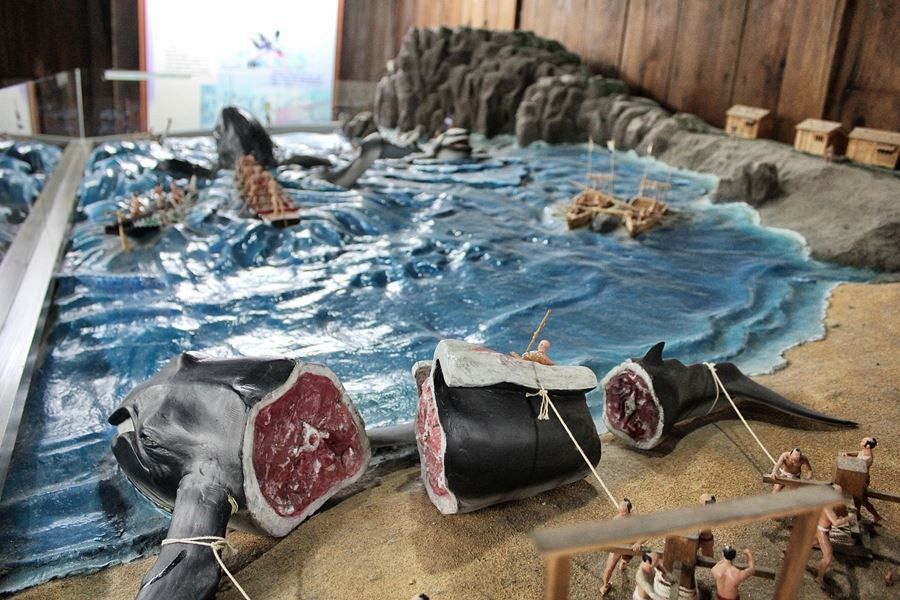
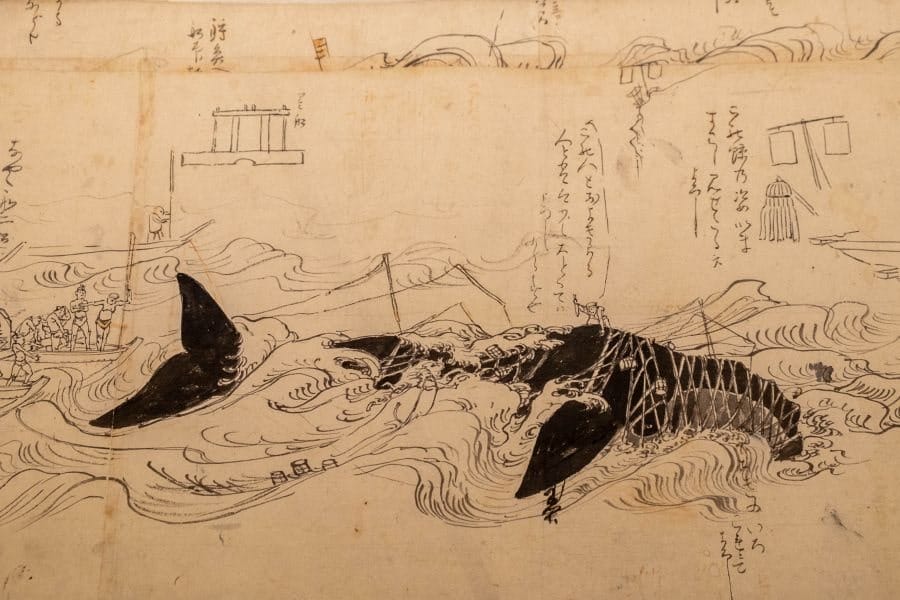
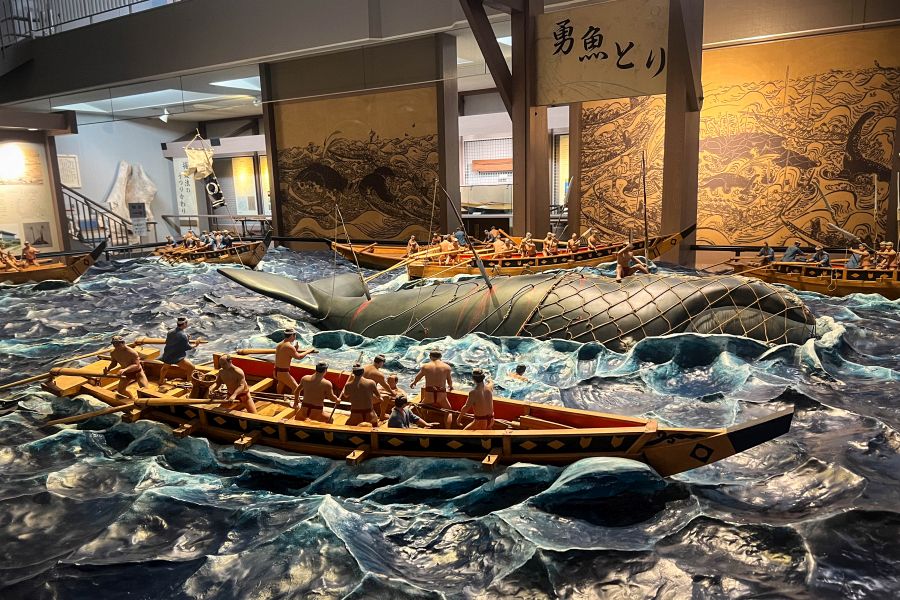
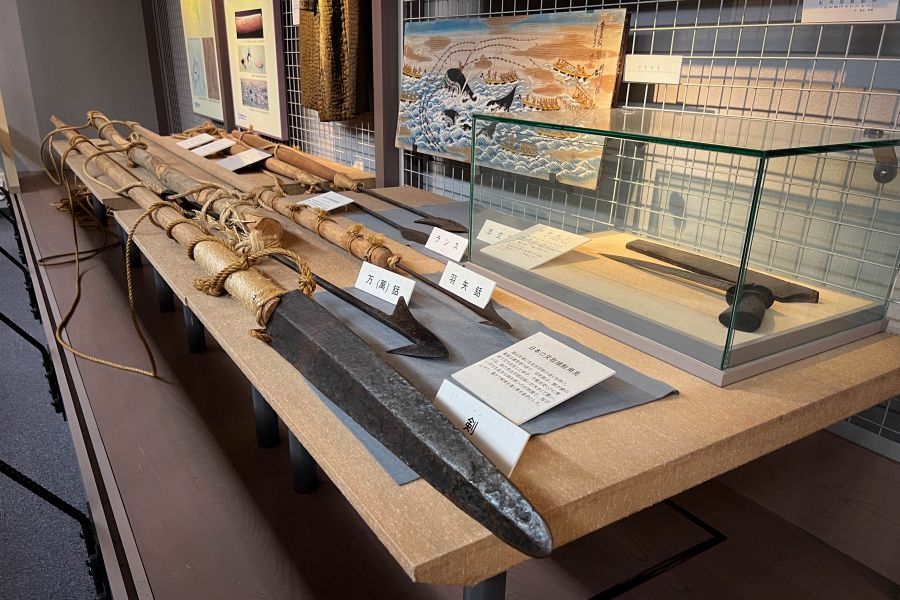
Organised whaling in Japan started in the Jōmon period, though systematic coastal operations took shape during the seventeenth century. Early whaling communities established net-hunting techniques along the Pacific coastline, operating from lookouts situated on coastal hills in places such as Taiji in Wakayama Prefecture, Nagato in Yamaguchi Prefecture, and the Bōsō Peninsula in Chiba Prefecture. Lookouts directed fleets of small rowing boats using signal fires and flags, driving target animals into nets before killing them with hand-thrown harpoons. The whales were then towed into dedicated flensing stations to be cut up and distributed. The dangers of this kind of whale hunt were great, but the reward in terms of calories and useful materials was immense. The bays of these flensing stations, lined with stone walls, can be seen in Nagasaki and Kōchi, and dramatic dioramas of the hunts can be seen on Ikitsuki Island and in Kōchi Castle.
Whales were not only hunted. During periods of starvation in the Edo period, whales that conveniently beached themselves were eaten and then worshipped as self-sacrificing Buddhas. A memorial to one such altruistic cetacean can be seen at Akehama in Seiyo on Shikoku. In the Edo period when taxonomy wasn’t a particular Japanese strength, whales were categorised as large fish and weren’t a forbidden food, unlike creatures with legs.
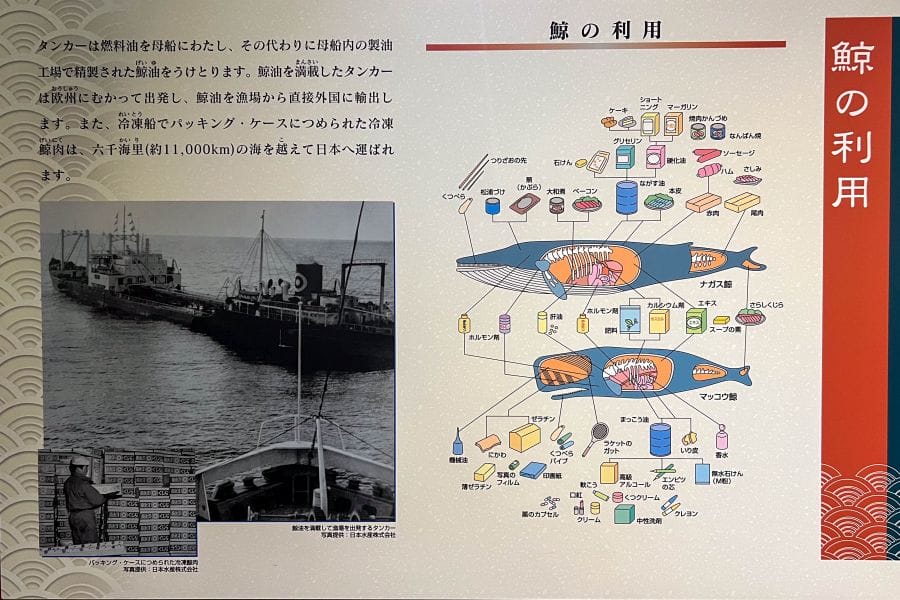
Following the Second World War, acute domestic protein shortages led the Japanese government to scale up industrial factory-ship expeditions to the Antarctic Ocean. During the 1950s and 1960s, whale meat supplied over forty per cent of the country’s meat consumption, serving as a primary protein source in commercial markets and compulsory school lunch programmes nationwide.
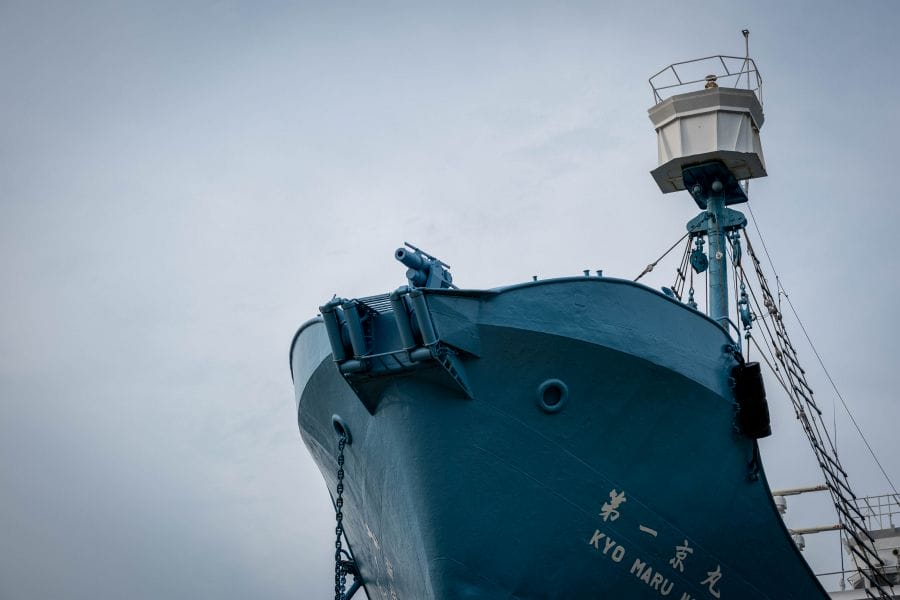
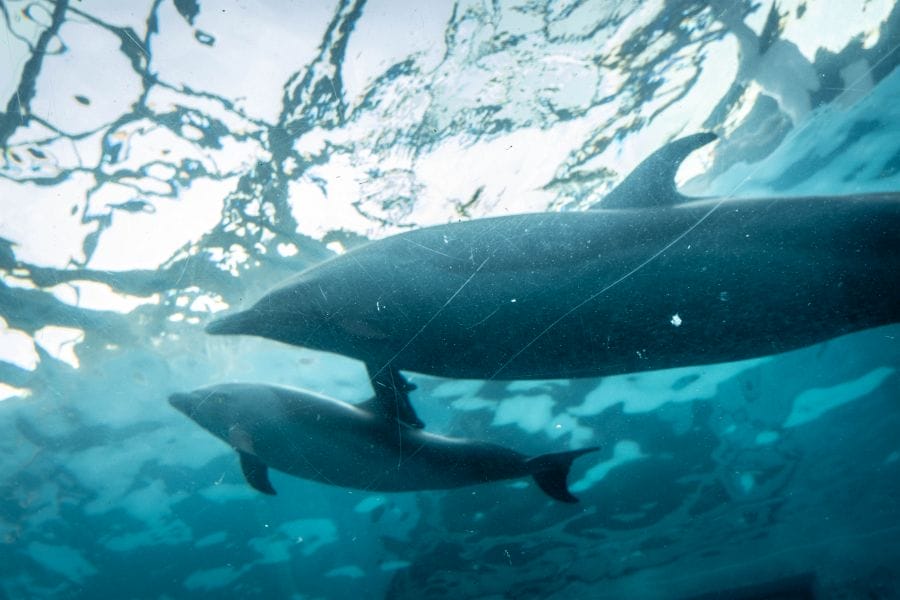
Following Japan’s withdrawal from the International Whaling Commission in 2019, commercial whaling operates exclusively within the nation’s territorial waters and Exclusive Economic Zone. It’s divided into two distinct sectors: small-scale coastal whaling and offshore mothership operations. Coastal vessels hunt within fifty miles of shore, landing their catches at designated ports including Taiji, Wadaura on the Bōsō Peninsula, Ayukawa in Miyagi Prefecture, and Abashiri in Hokkaidō. Offshore operations rely on factory ships such as the Kangei Maru, a 9,300-tonne vessel built in 2024 that operates out of its home port of Shimonoseki in Yamaguchi Prefecture. This mothership processes and freezes catches at sea off the coasts of Tōhoku and Hokkaidō. Modern commercial quotas permit the hunting of four species within strict numerical limits: minke, Bryde’s, sei, and fin whales.
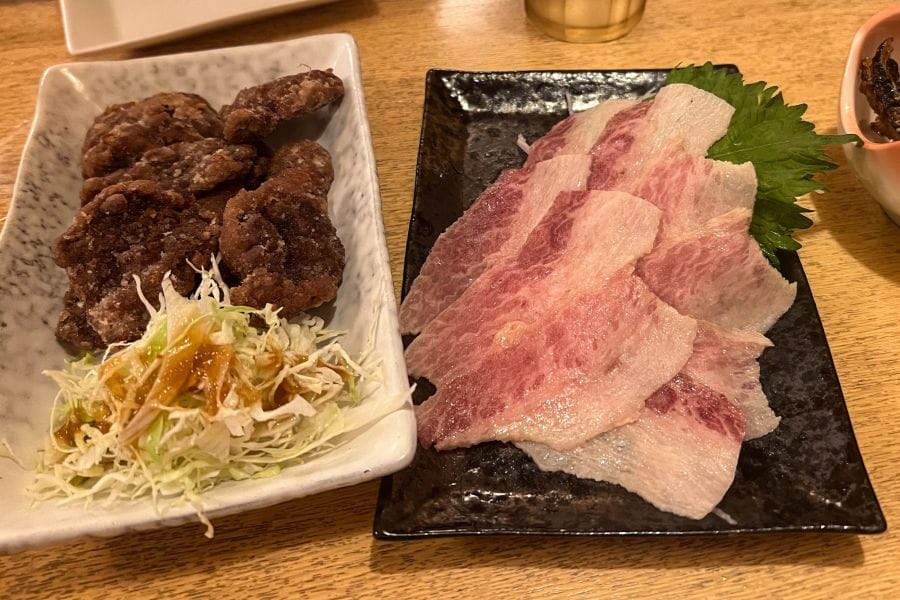
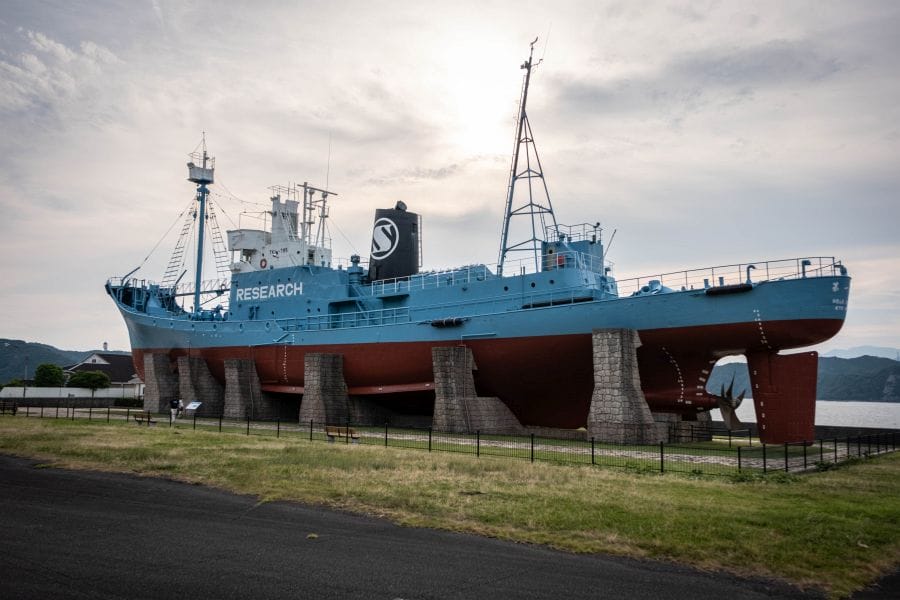
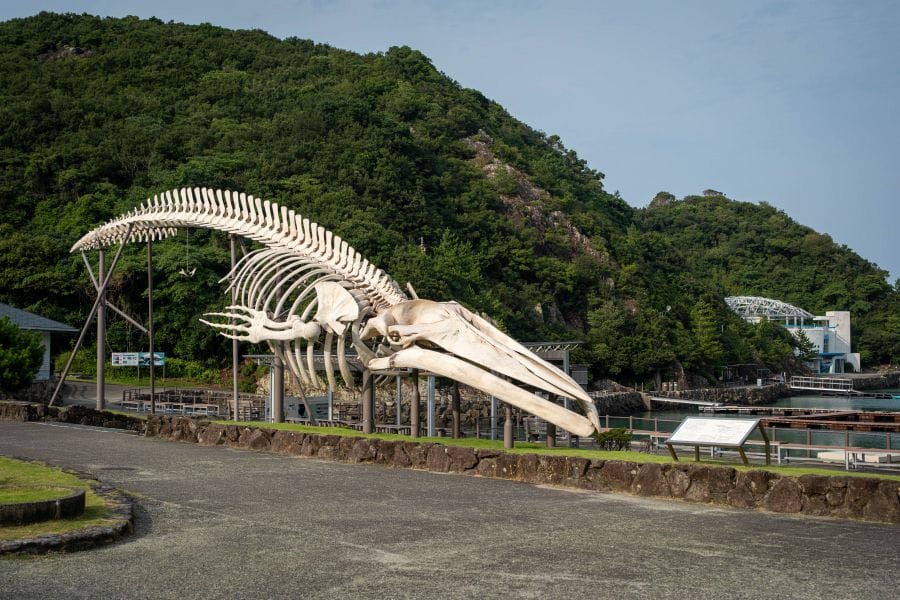
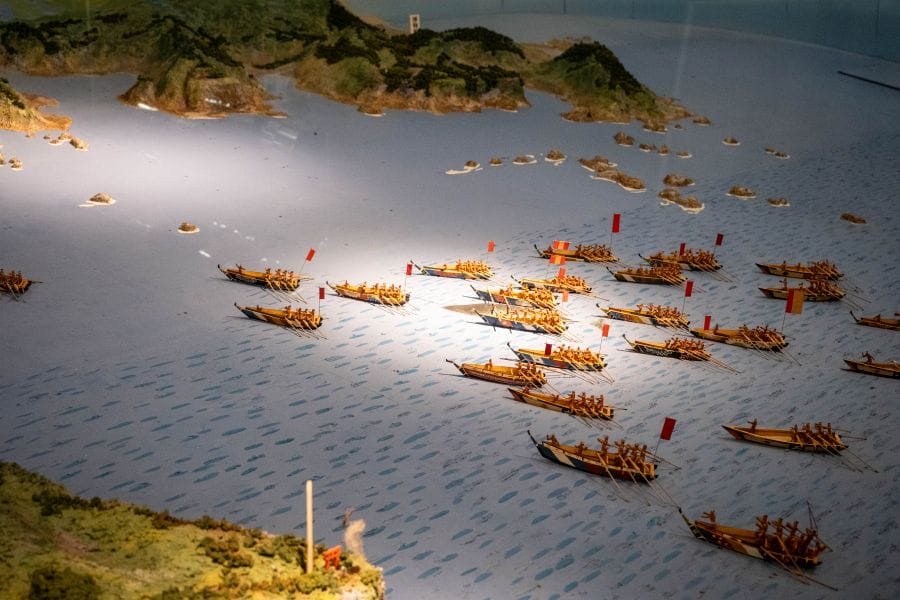
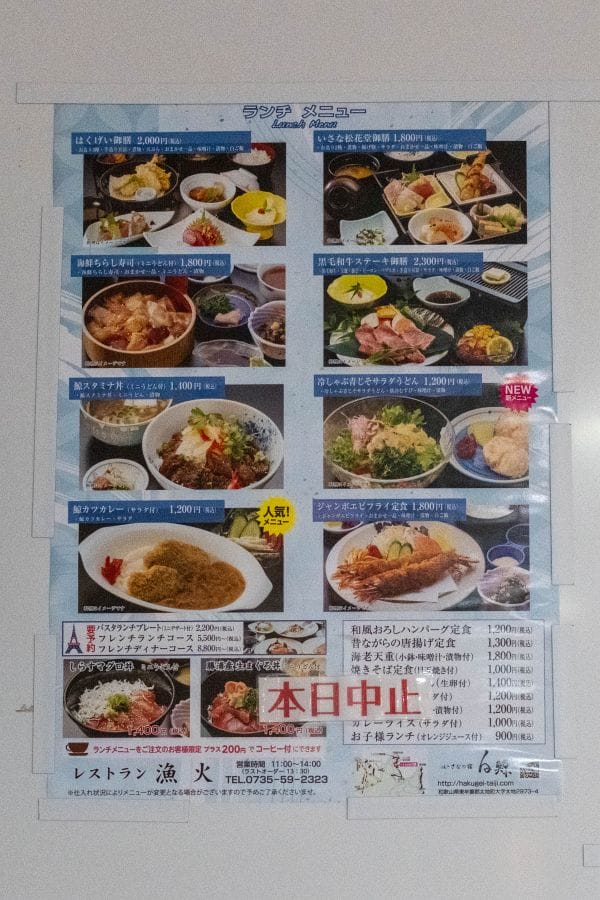
Whale meat moves through a distribution network centred on Shimonoseki, which acts as the historic commercial hub for the trade, alongside major wholesale markets in Tōkyō and Ōsaka. You’re unlikely to see it in typical shops, but it can be found in local markets and supermarkets in some coastal prefectures. It’s notable for not looking anything like land-based meats.
In urban centres, some specialised seafood restaurants and traditional drinking spots known as izakaya feature whale dishes on their regular menus. Areas around Tōkyō’s Tsukiji and Shinjuku districts, as well as Ōsaka’s Namba quarter, contain higher concentrations of these establishments. We’ve been served whale sashimi at hotels in Ashizuri, Kōchi, and in Nagasaki’s Gotō islands, both traditional whaling areas. Additionally, municipal school board authorities in parts of Wakayama and Yamaguchi prefectures still serve whale meat in school meals several times a year as part of local culinary heritage initiatives.
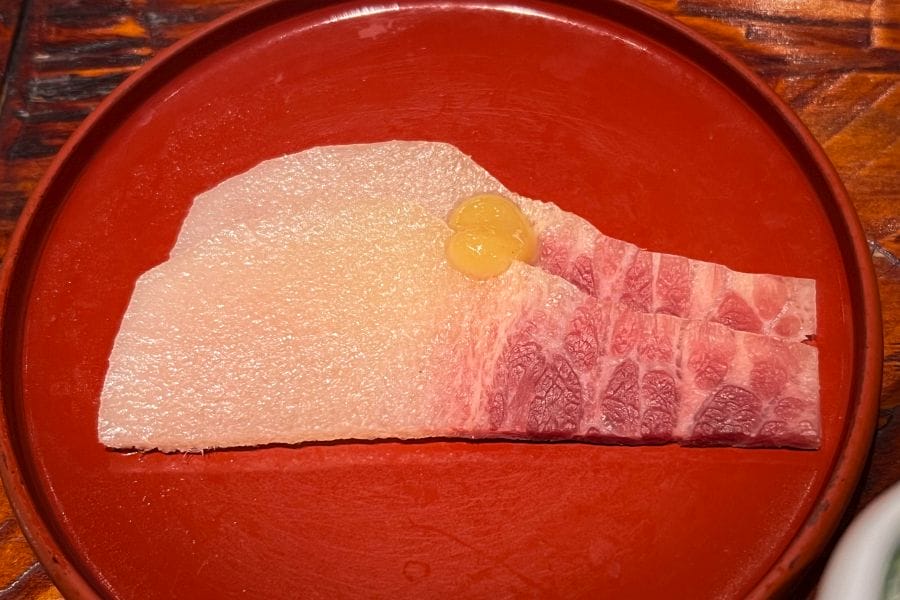
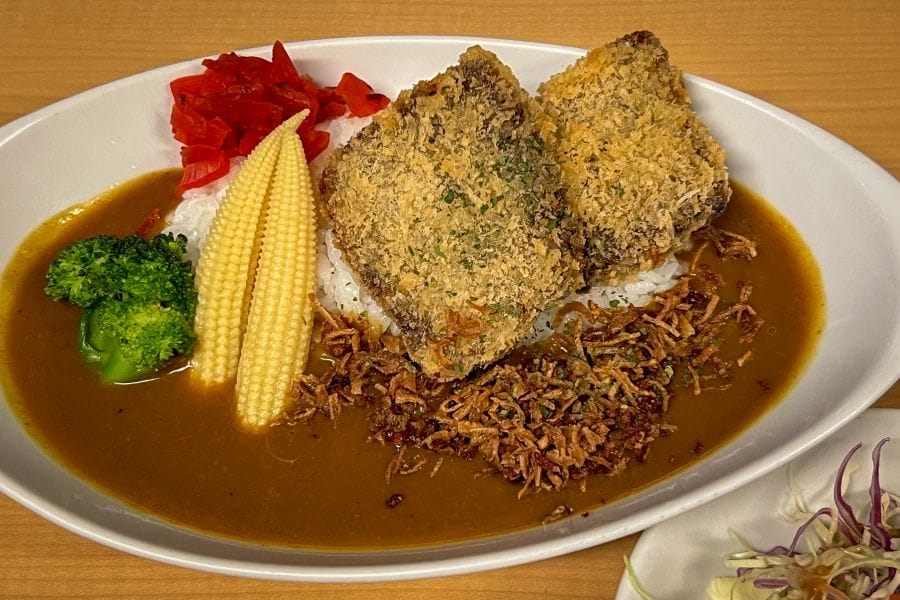
Chefs prepare whale meat using specific culinary techniques tailored to different cuts of the animal. The lean, dark red muscle taken from the back and tail features prominently in raw preparations. You’ll often see this red meat served as sashimi, sliced into thin strips and paired with grated fresh ginger and soy sauce, or served lightly seared over an open flame. Another widespread preparation method is tatsuta-age, where red meat is cut into bite-sized cubes, marinated in a mix of soy sauce, ginger juice, and sweet rice wine, dusted with potato starch, and deep-fried until crisp. The ventral throat lining, composed of alternating layers of white fat and red skin called unesu, is salt-cured, boiled, and sliced paper-thin to produce whale bacon, which displays a characteristic red skin edge. Then there’s tongue, a pinkish fatty meat cut very thin.
As to what whale meat is like to eat, we aren’t keen on it and wouldn’t normally order it. It’s like poor quality beef with a fishy aftertaste. The meat tends to be chewy without richness, while the fat is either leathery or watery. It’s a little known fact, but sukiyaki was invented in the Edo period to disguise the unpleasant taste of whale meat — which incidentally is why you should never accept high quality beef served slathered in raw egg, sugar, and soy sauce, because it kills the good flavour of this tasty meat, and leaves a nasty eggy smell on your sake cup.
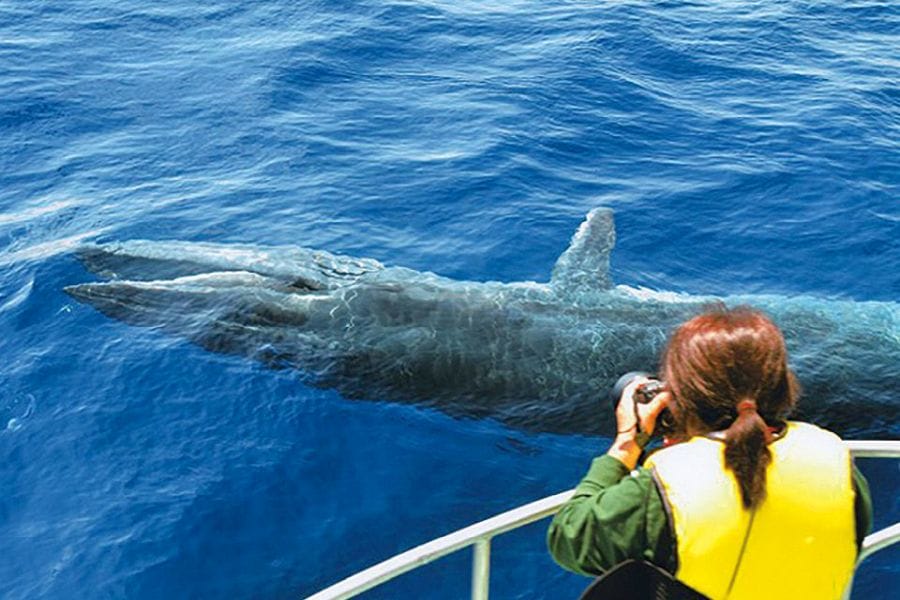
Today, Japan’s commercial whaling industry operates on a far smaller scale than it did during the mid-twentieth century. Consumer preference has shifted towards beef, pork, and poultry over recent decades, causing annual nationwide whale meat consumption to fall to a tiny fraction of its historic peak. Though it’s supported by new fleet investments like the Kangei Maru to maintain processing capability within domestic waters, the commercial market relies on government subsidies and targeted promotional efforts, arguably driven by the unequal power of rural votes. The trade remains confined to specific coastal hubs and niche urban dining sectors, maintaining a controlled, quota-bound harvest that reflects changing dietary habits and legal frameworks. The Japanese government has published an official opinion on whaling. Meanwhile, several former whaling areas are turning to whale watching as an alternative to hunting whales.