Hakuba
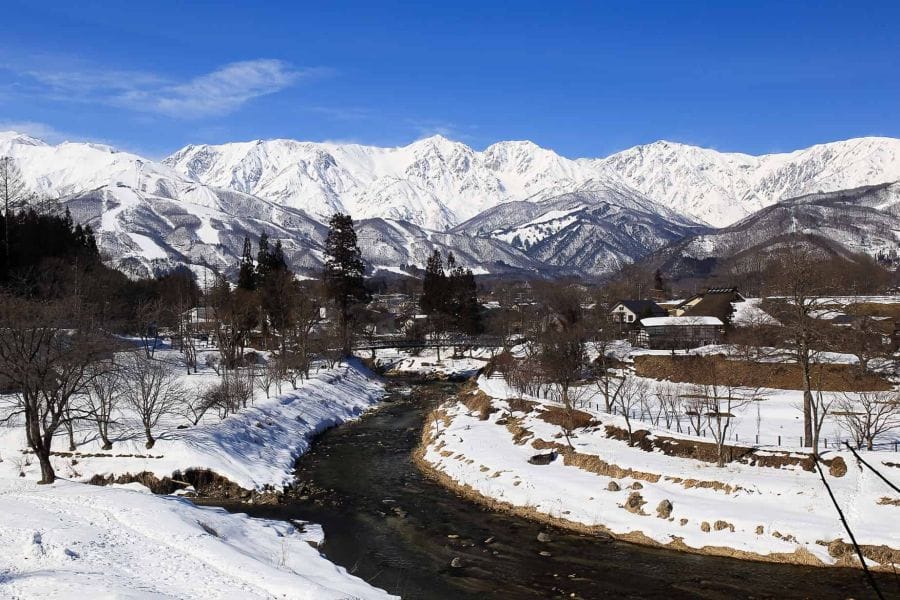
Hakuba is a mountain resort area in northern Nagano Prefecture, set in the Hida Mountains of the Japanese Alps. Rather than a single town or ski hill, it is a long valley containing several villages and ski resorts clustered around the upper reaches of the Hime River. The area is best known internationally for hosting events during the 1998 Nagano Winter Olympics, but it has long been a centre for mountain recreation and alpine agriculture.
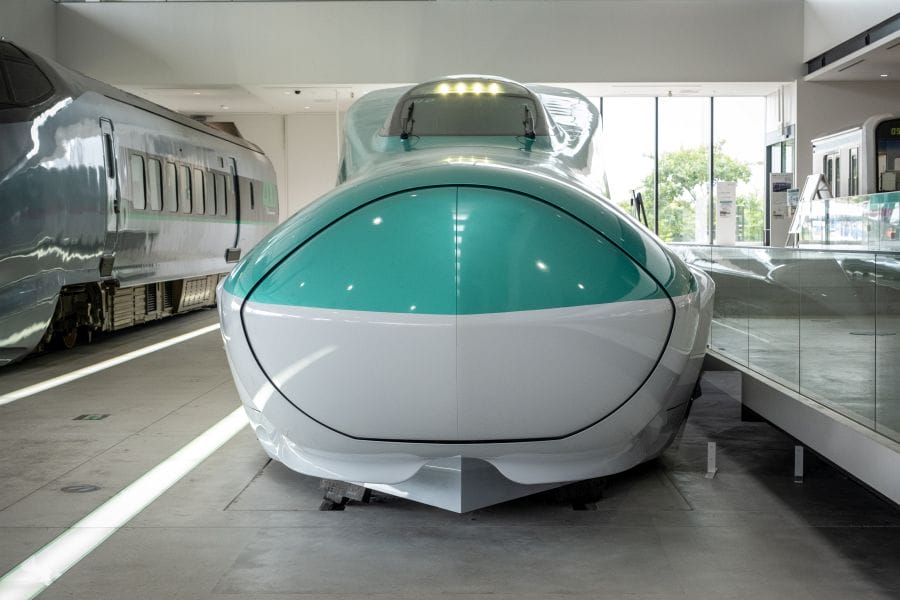
The valley sits at the western edge of Nagano, bordered by Toyama Prefecture, with steep peaks rising sharply from the settled areas. These mountains contribute to heavy winter snowfall, while in summer they support hiking, climbing, and alpine flora. Hakuba is accessible from Tokyo via the Hokuriku Shinkansen to Nagano followed by a local train or bus, or directly by road from central Honshu. Despite its global reputation, the area retains a relatively rural character, with rice fields, traditional houses, and small shrines interspersed among hotels and lodges.
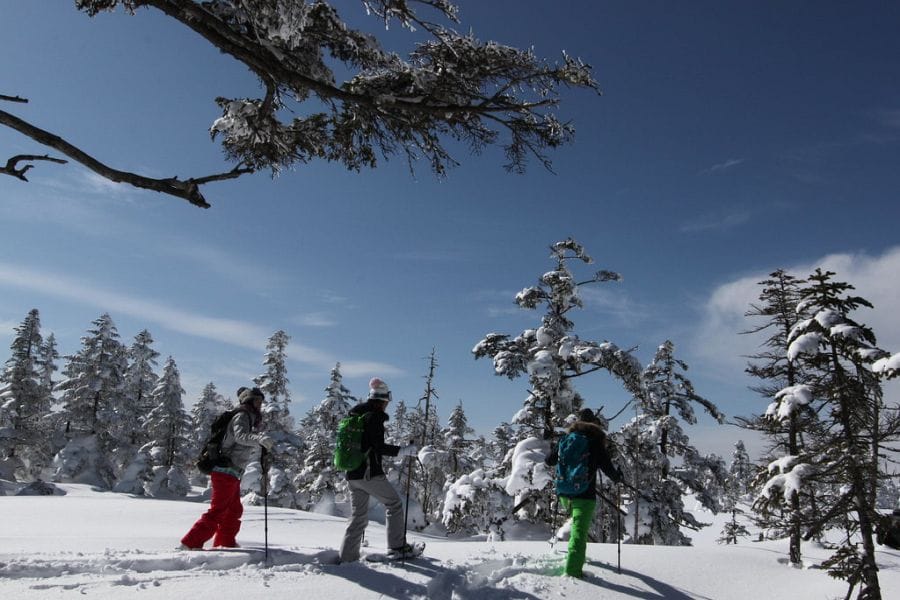
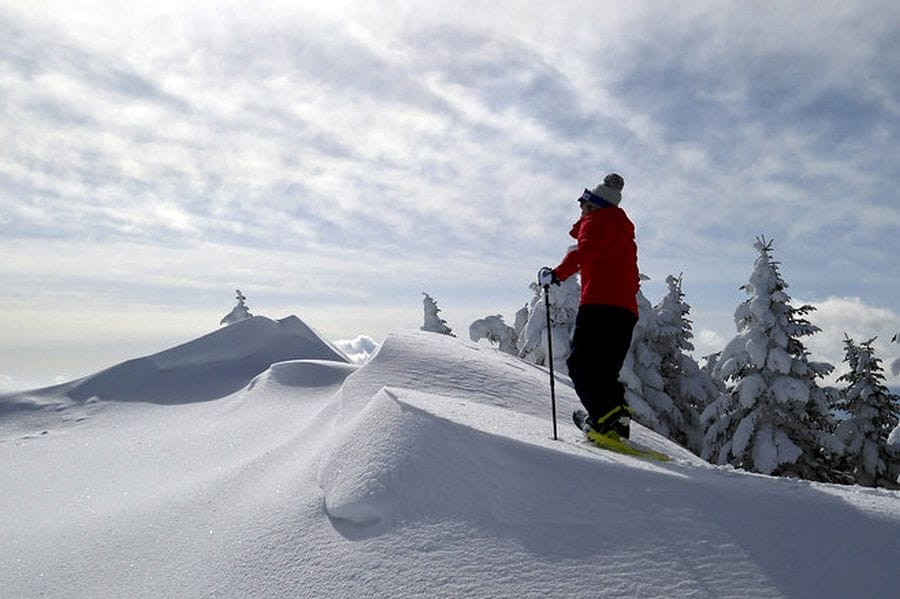
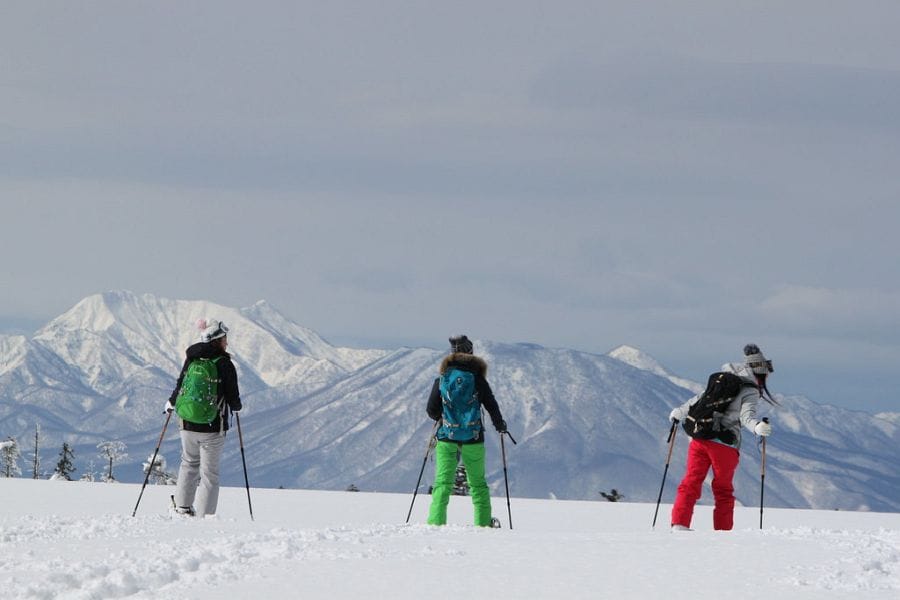
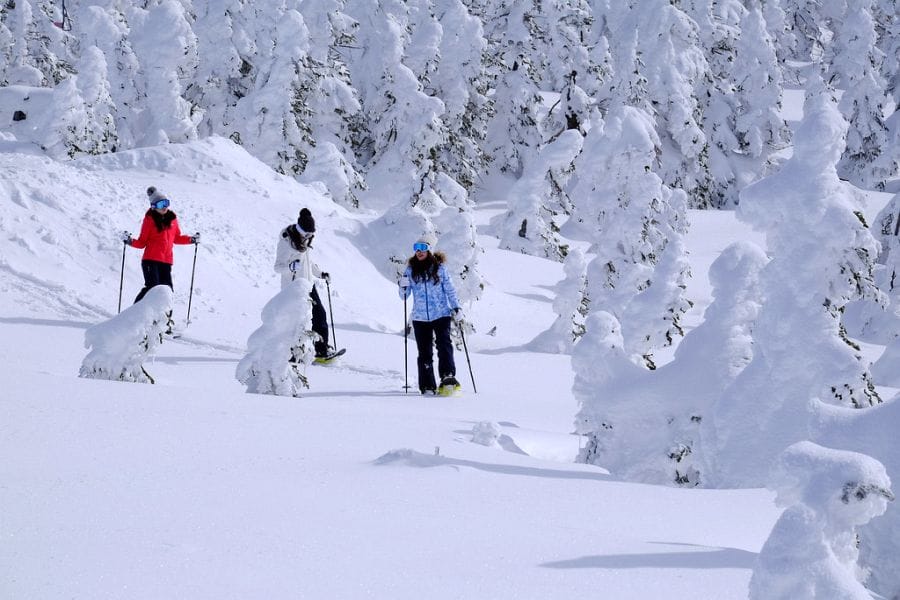
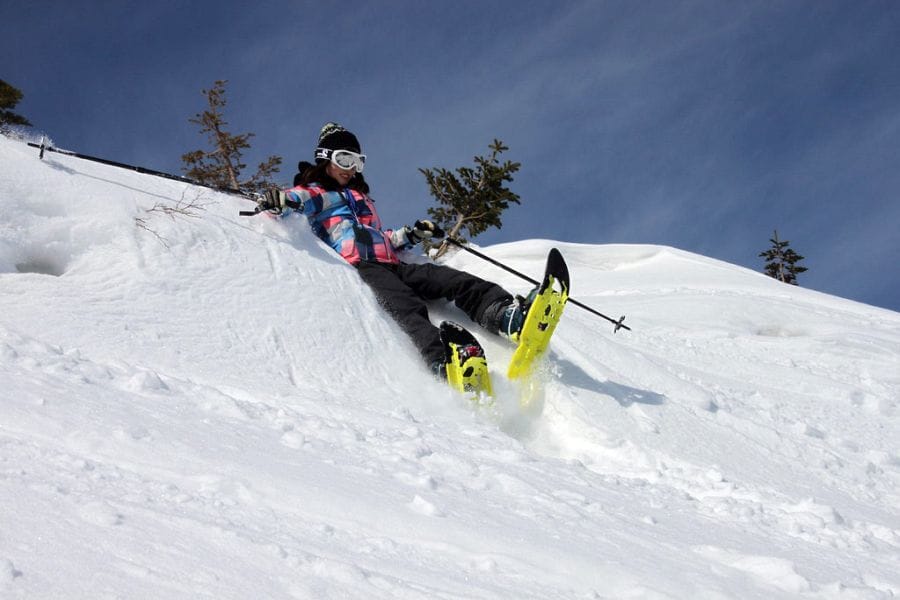
Hakuba’s winter appeal lies in the diversity of its ski areas, which vary in scale, terrain, and atmosphere. Shuttle buses link the main resorts, making it possible to move around the valley without a car. Off the slopes, you’ll find hot spring baths, small museums, and walking routes that remain accessible even in snowy conditions.
Happo-One
Happo-One is the largest and most prominent resort in Hakuba and was the main venue for Olympic alpine skiing events. Its slopes rise directly above the village of Happo, giving it a more developed feel than some of the other areas. The resort is known for long runs, higher elevation, and wide views across the Northern Alps, particularly from the upper lifts. It offers a broad range of terrain and facilities and tends to attract a mix of domestic and international visitors.
Hakuba Goryū and Hakuba 47
Goryū and Hakuba 47 are adjacent resorts connected at higher elevations, effectively functioning as a single ski area. Together they provide a balance of groomed runs, steeper sections, and terrain parks. Access points are spread across different parts of the valley, which helps distribute crowds. These resorts are often favoured for their layout and variety, as well as for their relatively straightforward connections between slopes.
Tsugaike Kōgen
Tsugaike Kōgen is located toward the northern end of the valley and is characterised by broader, gentler slopes at lower elevations. It is commonly associated with beginners and families, though higher areas offer more challenging terrain. In summer, Tsugaike serves as a gateway to alpine hiking routes and wetlands, with gondolas providing access above the tree line.
Iwatake
Hakuba Iwatake sits on a smaller, independent hill overlooking the valley. It is known for its open views and a layout that makes it easy to navigate. In recent years it has gained attention for its scenic viewpoints and non-ski attractions, particularly outside the winter season, when it functions as a base for walking and mountain scenery rather than lift-based sports alone.
Taken as a whole, Hakuba offers a concentration of mountain resorts within a compact valley, supported by transport links, accommodation options, and year-round outdoor activities. Its appeal lies not only in individual ski areas but in the combination of varied terrain, accessible alpine landscapes, and the everyday life of a working mountain region.
Information
Name in Japanese: 白馬
Pronunciation: hakoo-ba
Address: Hakuba, Kita-azumi, Nagano